
24-HOUR WILDLIFE RESCUE PHONE NUMBER: +30 697 679 7070
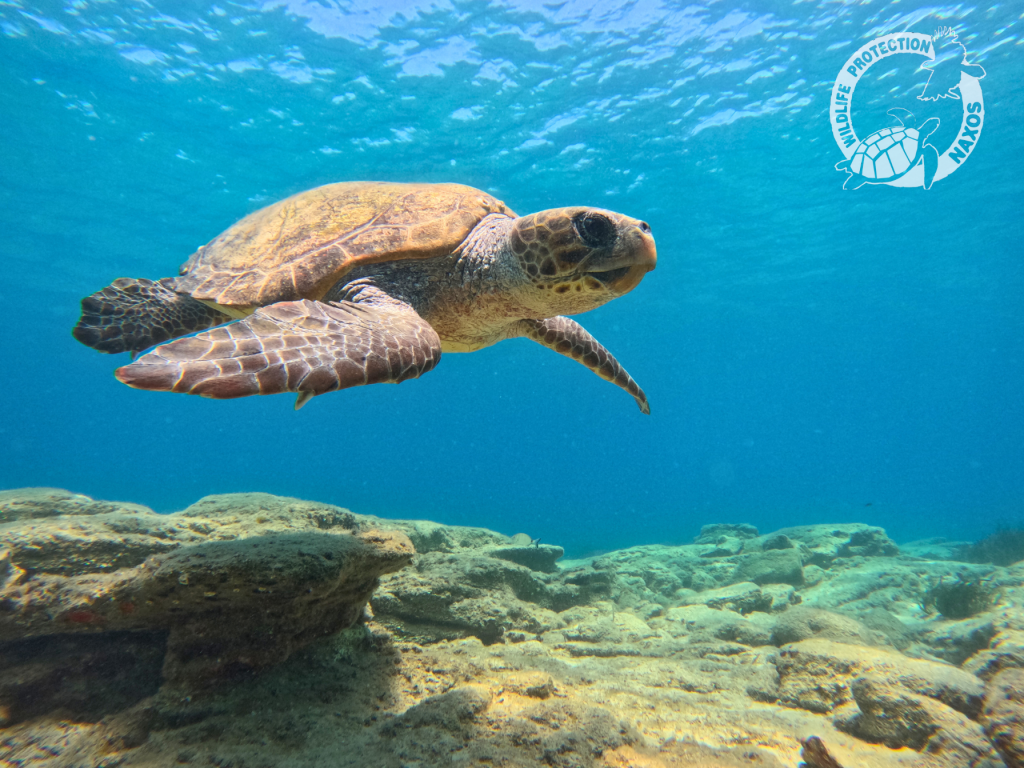
The Sea Turtles of the Cyclades
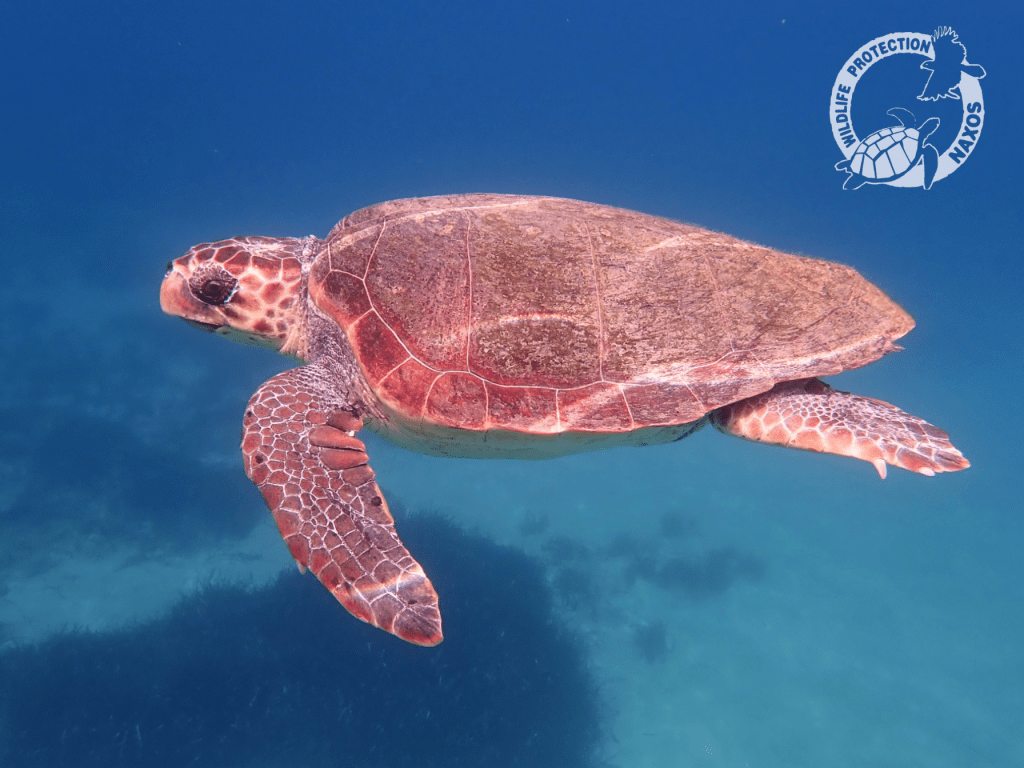
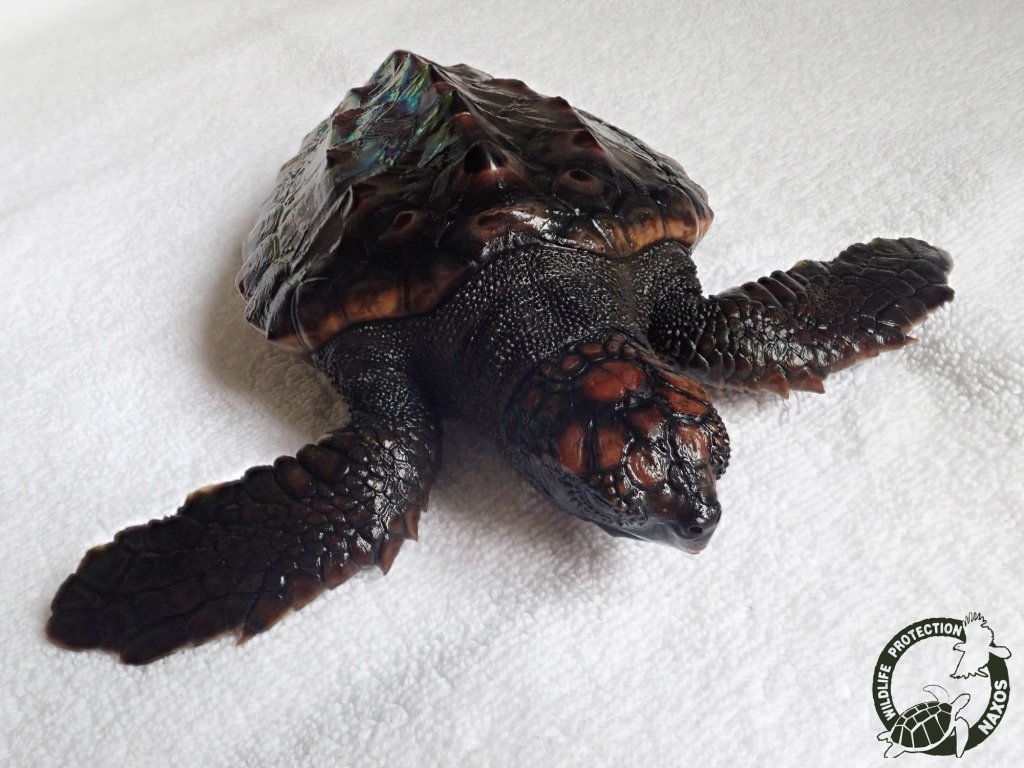
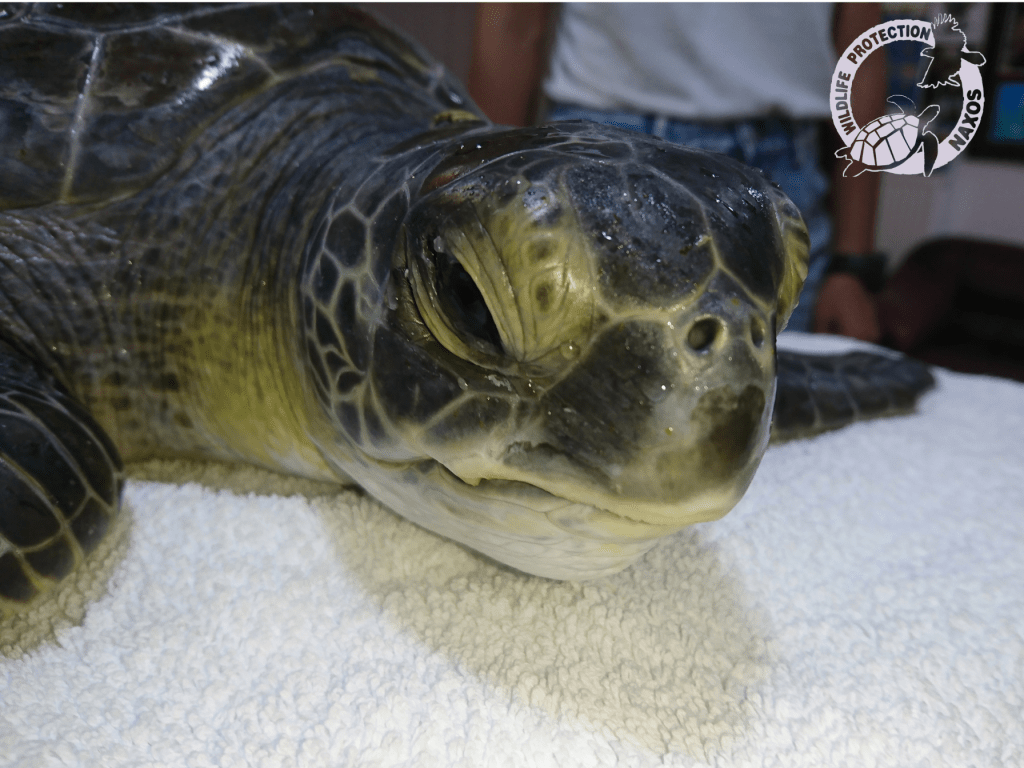
7 species of sea turtles swim in the temperate and tropical waters globally and 3 of these species reside in Greece and the Mediterranean Sea: The Loggerhead turtle (Caretta caretta), the Green turtle (Chelonia mydas) and the, rare, Leatherback turtle (Dermochelys coriacea).
Sea turtles have existed on Earth for more than 120 million years, yet during our time all 7 species are considered Endangered according to the IUCN and protected by law.
There are a few characteristics sea turtles share with their distant relatives on land: they have lungs, meaning they need to surface in regular periods in order to breathe, and the only reason they would come to shore is in order to lay their eggs. Other than that, sea turtles are exclusively marine reptiles.

Like all reptiles, sea turtles are cold-blooded meaning their body temperature depends on the temperature of their environment.
Greece is the greatest nesting area in the Mediterranean sea for Loggerhead turtles, while Green turtles nest mostly in south-eastern Mediterranean.
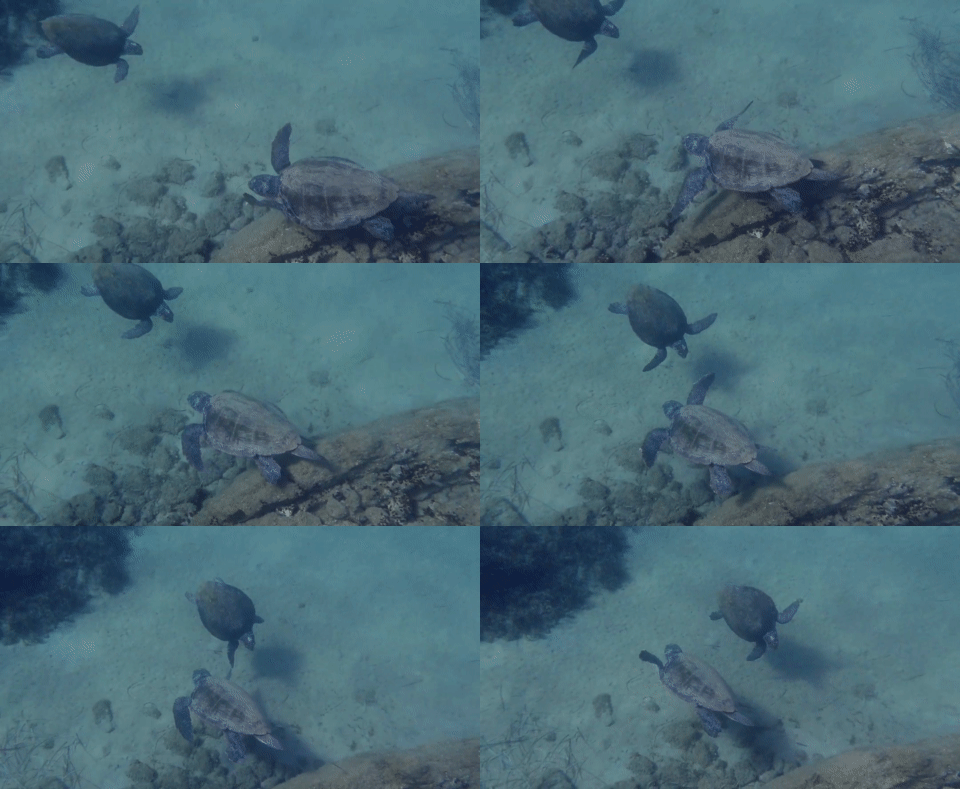
On Naxos island and the Cycladic islands, where Naxos Wildlife Protection is active, Loggerhead turtles live and reproduce, whereas all life stages of Green Turtles have been observed, from hatchlings to adults.
As of the summer of 2025, the first nesting of a green turtle was recorded on Apollonas in northern Naxos. The first ever recorded nest of a green turtle in the Cyclades (watch the video here!).
Concerning Loggerhead turtles, we have recorded and identified more than 130 different individuals, of whom some return every summer to Naxos for foraging, mating and nesting.
In general, Loggerhead turtles are considered a migrating species, but observations have showed that some individuals actually remain in an area year-round (check out Zoe’s story!).
Loggerhead turtles are primarily carnivorous, as hatchlings they feed on planktonic prey in the water column, but as they grow they become neritic (spend more time on the sea bottom) feeding on sponges, crustaceans, mollusks and echinoderms.
Our Association has created the Network for Protection of the Sea Turtle in the Cyclades with the support of ARCHELON and the generous funding of Cyclades Preservation Fund. Authorities, locals and business owners of the Cycladic islands are being informed of how to act when coming across a sick/injured sea turtle, the rescue protocol and the procedures of sending it safely to our Wildlife Rescue & First Aid Station on Naxos island.
We have the facilities, expertise and experience to tackle most cases of weak or injured sea turtles found on Naxos and the surrounding islands.
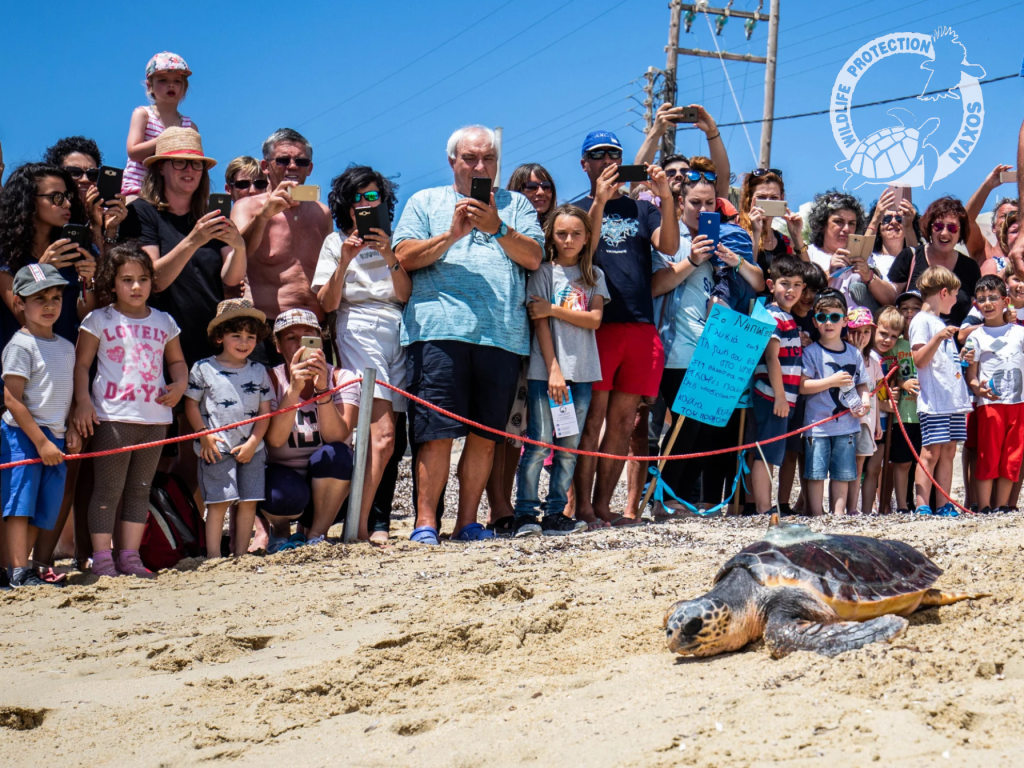
To this day, we have successfully rehabilitated and released 38 sea turtles of the species C. caretta and Chelonia mydas from all around the Cyclades.
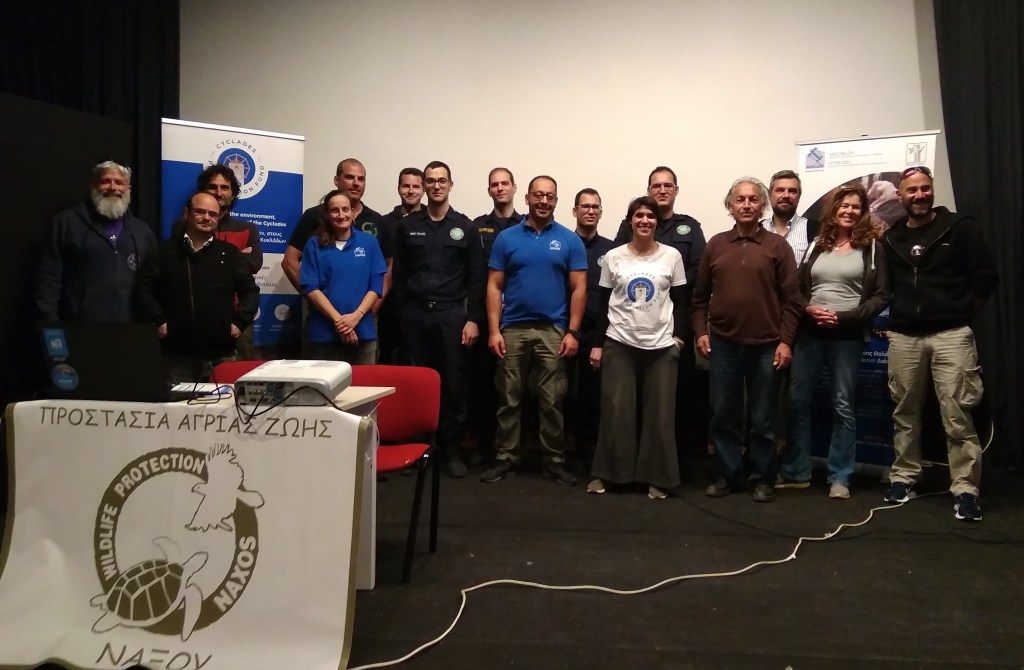
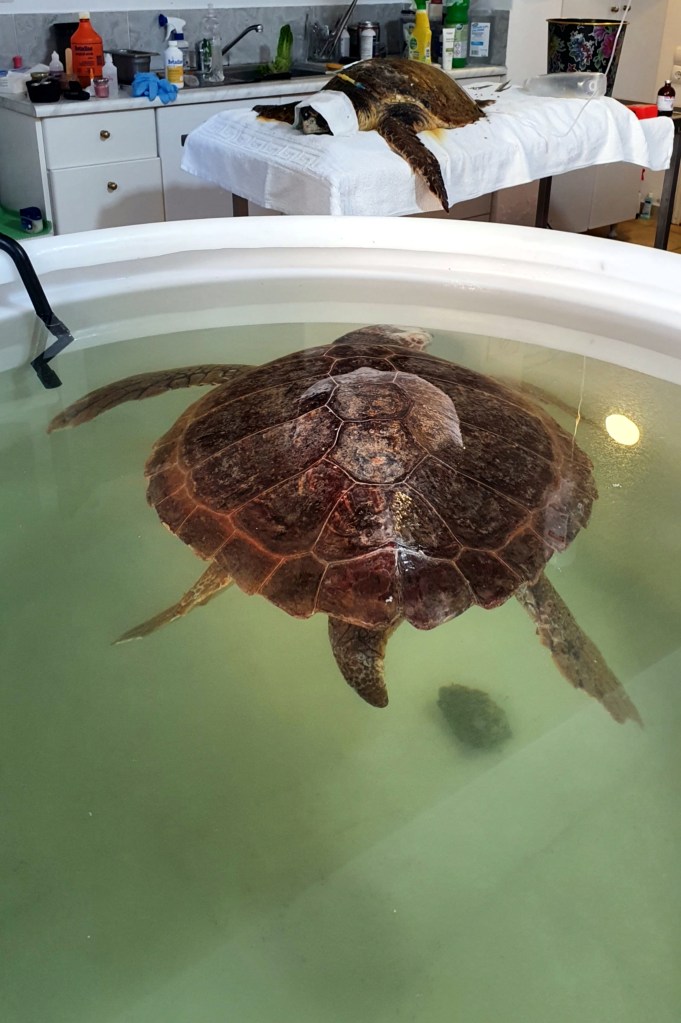
Additionally, year-round we record the stranded sea turtles found on the coasts of Naxos, patrol the coasts for illegal human activities that harm the sea turtles, do on-the-field observations creating an identification database, as well as patrol and locate nests during the summer months, which are then protected until the hatchlings reach the sea safely.
Threats
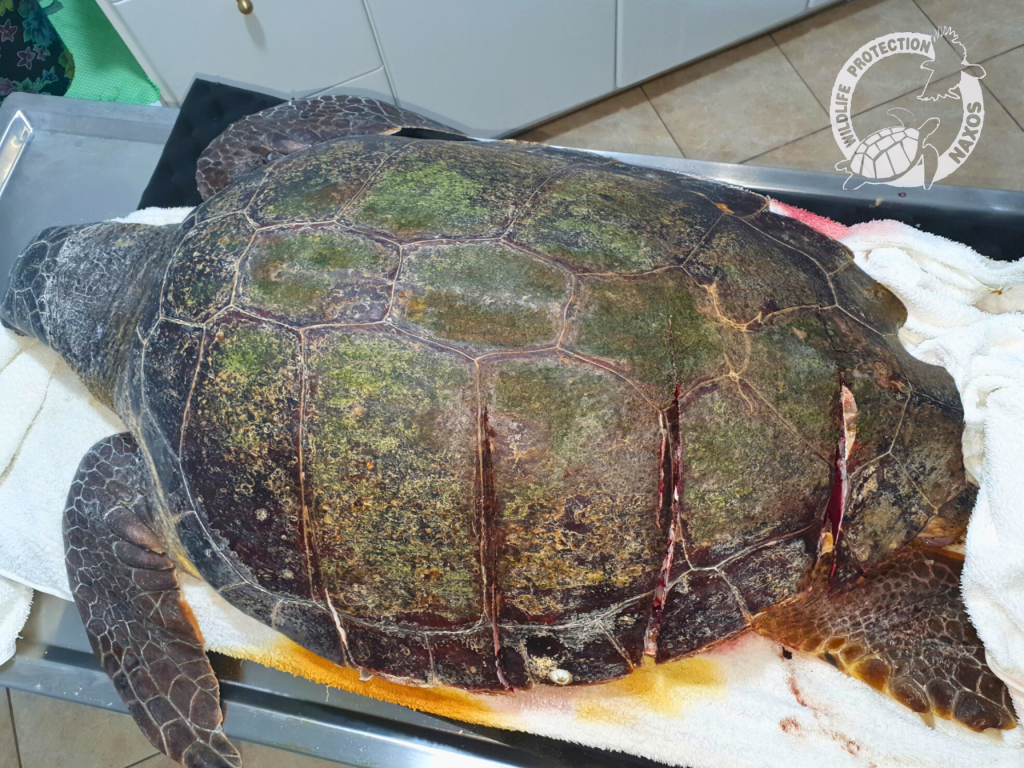
Based on our data derived from stranded turtles and turtles that have been treated at our wildlife first aid station, the biggest threat to their survival is fishing gear.
Sea turtles might get entangled to fishing nets, ghost nets (abandoned fishing gear which is still a major threat for marine life), swallow fishing hooks or get killed deliberately. Secondly, habitat loss, which includes recreational activities such as reckless boat driving (which can lead to collision with floating sea turtles), driving vehicles on the beach (resulting to destruction of nests), as well as coastal development decreasing the available and safe beaches for nesting. Last but not least, marine debris and pollution affects the life cycle of sea turtles.
More than 50% of the turtles admitted to the Naxos Wildlife Protection First Aid Station suffer injuries caused by human activities (such as entanglement in fishing lines or fishing hook ingestion).
According to ARCHELON’s data, in 2024, 75.5% of the sea turtles admitted to the Rescue Center had injuries and health problems directly related to human activity, mainly fishing (e.g., entanglement in gear, hook ingestion), but also direct trauma such as head injuries and brain damage.
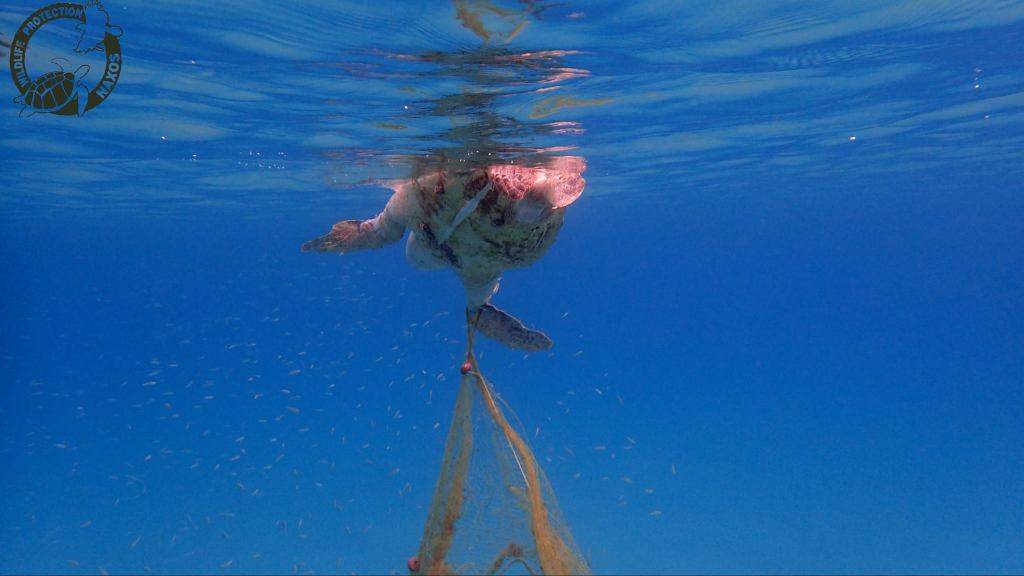
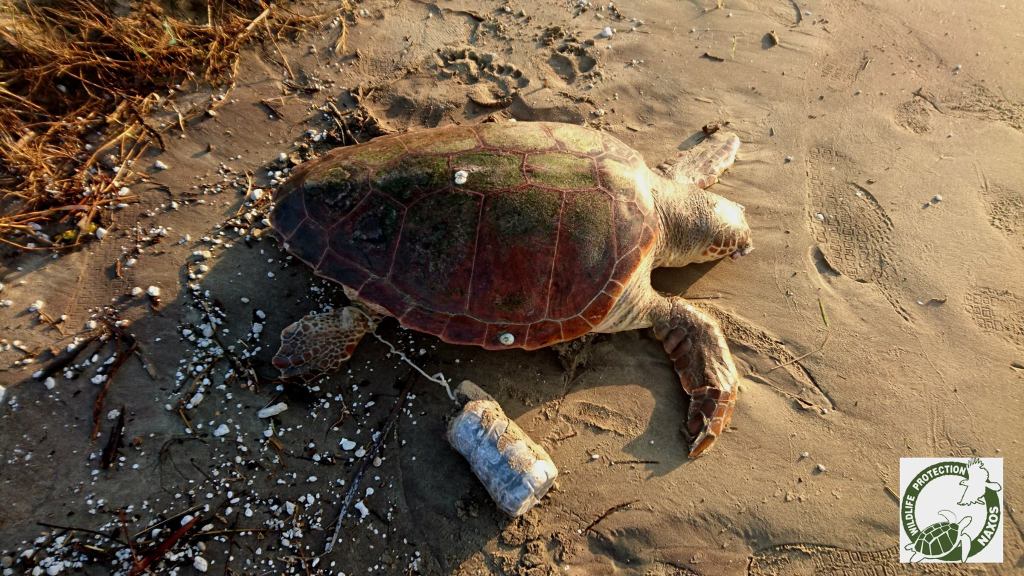


When does a sea turtle need help?
Watch this video.
HOW CAN YOU HELP THE SEA TURTLES OF NAXOS AND THE CYCLADES…
- If you come across a sick/injured sea turtle on shore, call Naxos Wildlife Protection (+30 697 6797070), or the local Port Police (for Naxos Port Police call at +30 22850 22300) immediately.
- If you come across a sea turtle floating on the surface unable to dive, call us immediately for further instructions.
- If you get the opportunity to see a sea turtle, keep a safe distance from it, do not disturb it, do not touch it and, by no means, do you feed it.
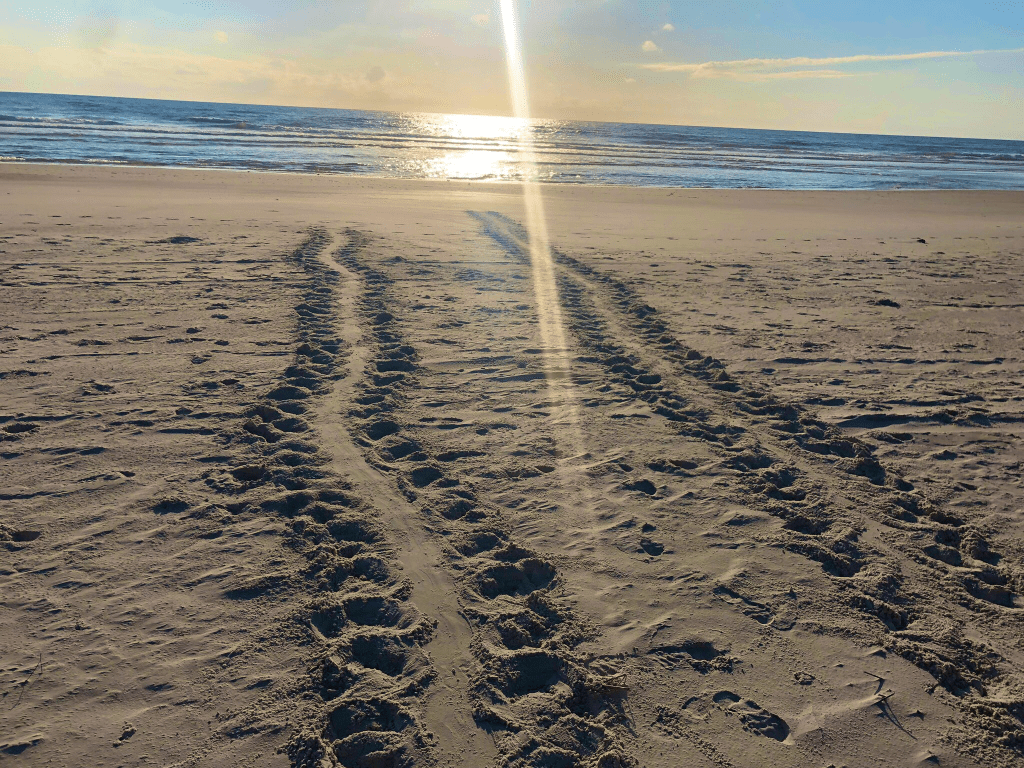
Remember sea turtles are wild animals and any human contact could cause behavioural and health issues to them, but could also jeopardize our own safety. - If you see traces of a sea turtle on shore (see picture below), or sea turtle hatchlings, call Naxos Wildlife Protection or the local Port Police immediately.


 Naxos Wildlife Protection