
24-HOUR WILDLIFE RESCUE PHONE NUMBER : +30 697 679 7070
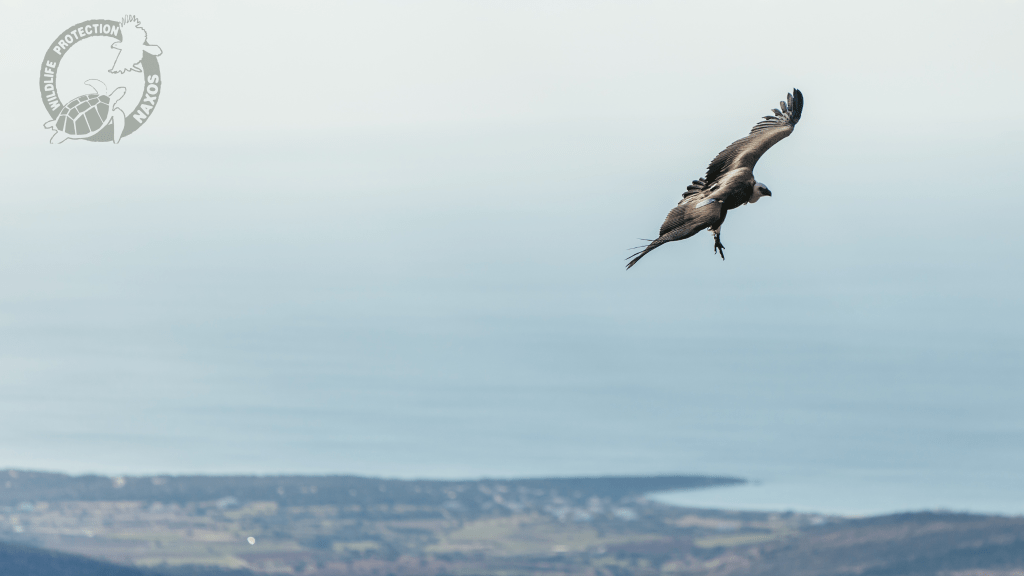
The Wild Birds of Naxos
The island of Naxos has a variety of habitats and lays on the eastern Mediterranean migratory route for wild birds. You can read more on the different kinds of habitats of the island here!
Resident and migratory species can be found on the island throughout the year.
The species listed below have either been observed on the field by members of Naxos Wildlife Protection and/or have been hospitalized at our Wildlife Rescue & First Aid Station. We are certain there are more species to be found!
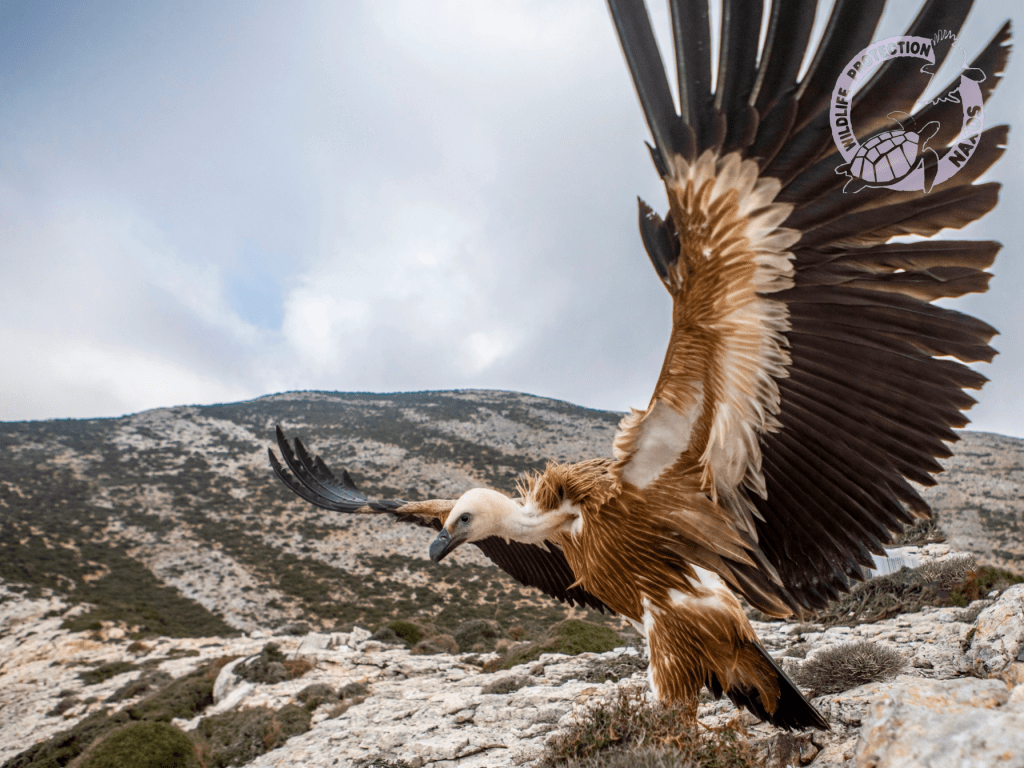
When it comes to rehabilitation of wild birds, Naxos Wildlife Protection has a long-standing partnership with the Aegean Wildlife Hospital “ALKYONI”.

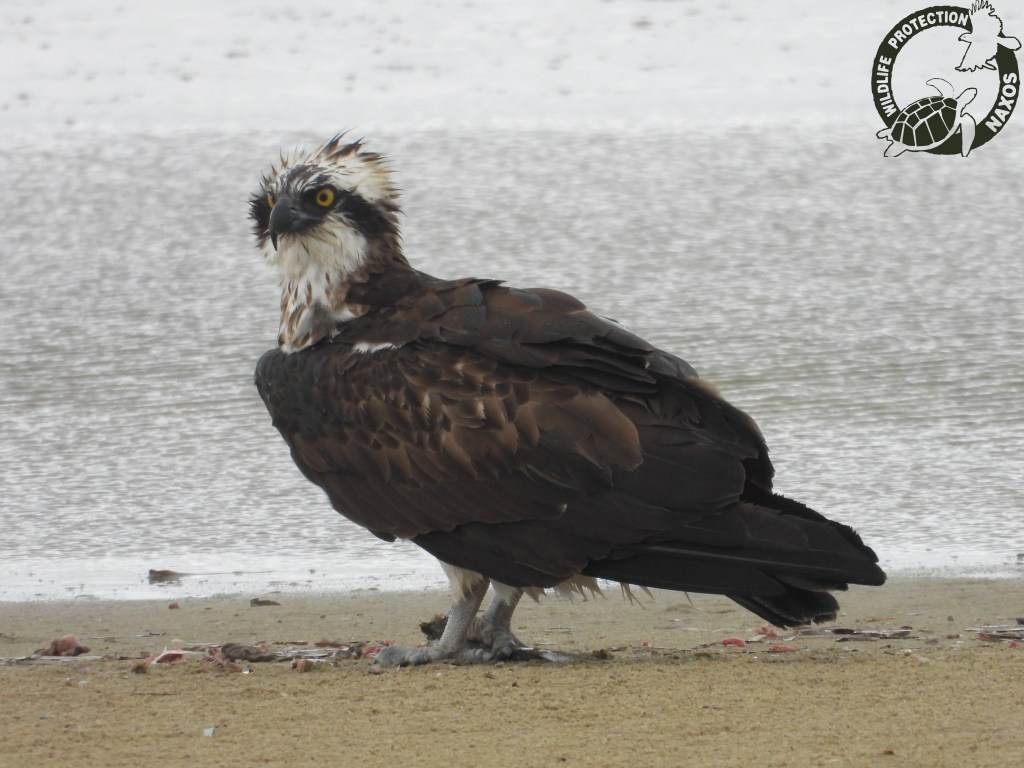
The Griffon Vultures
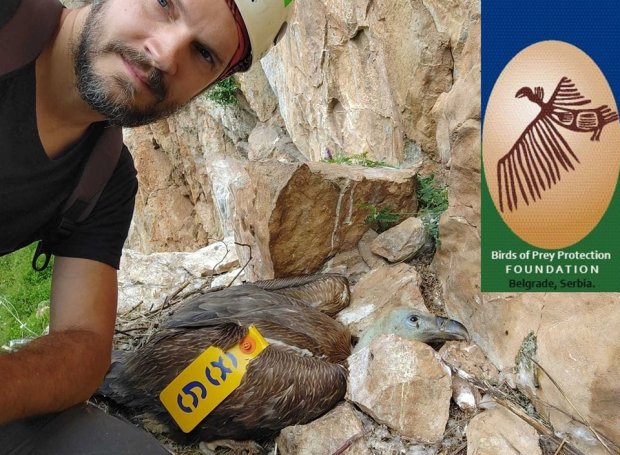
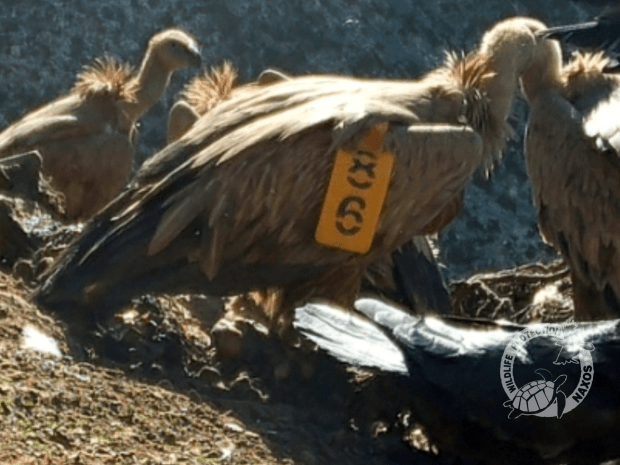
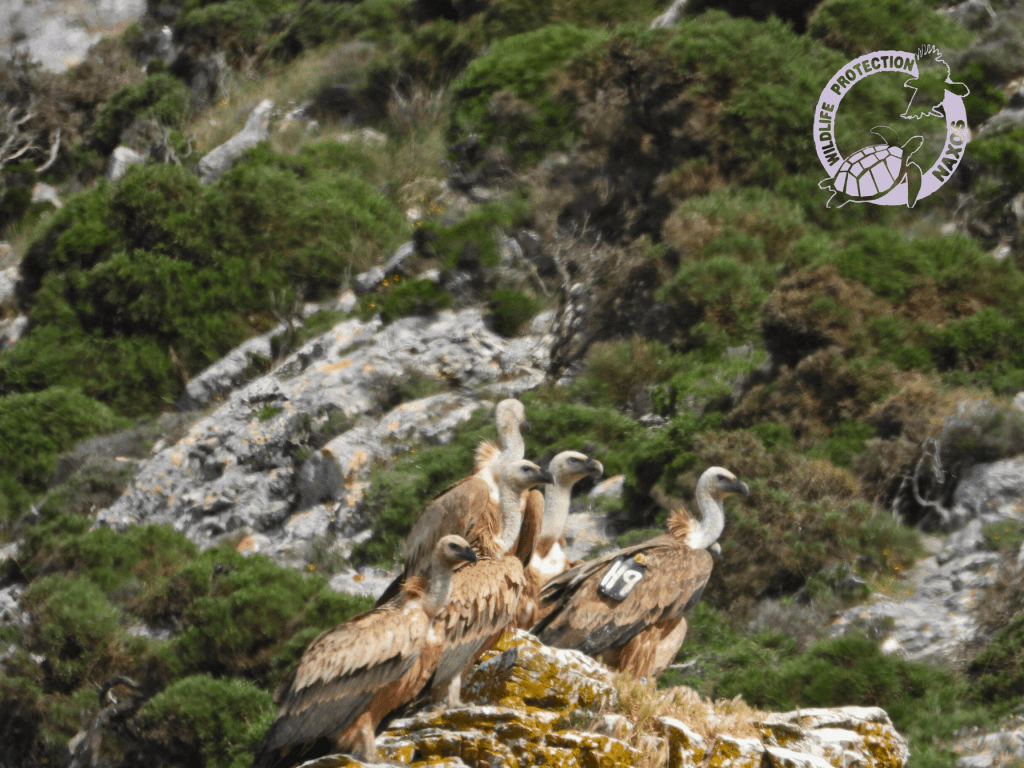
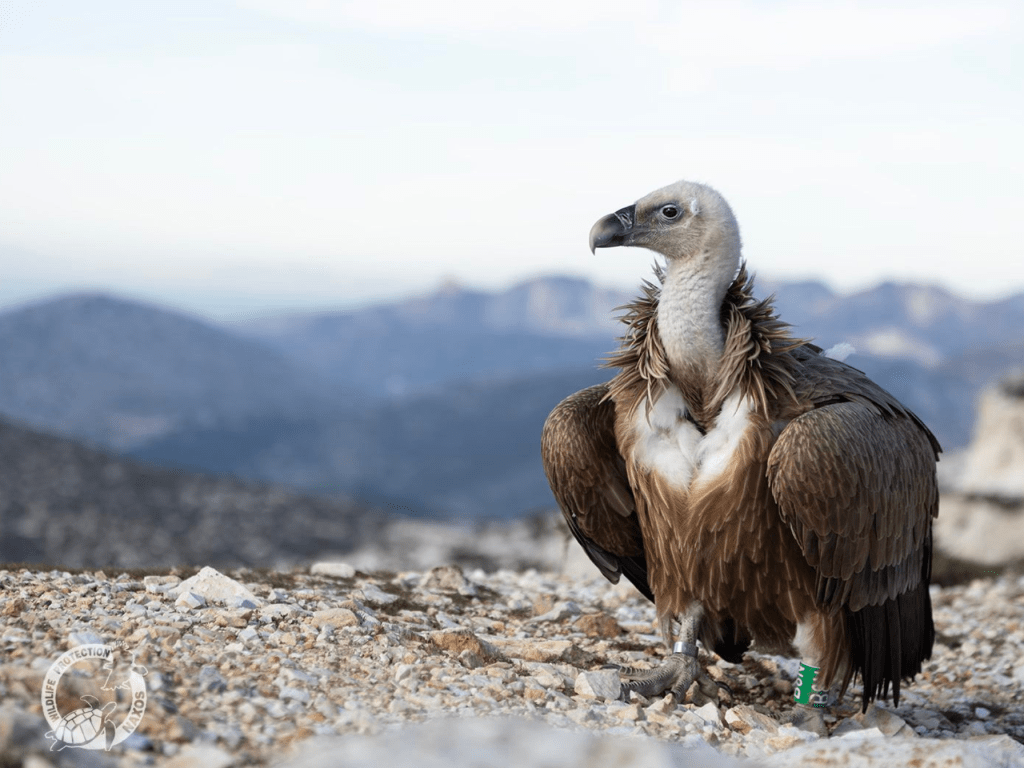
Naxos Wildlife Protection has been observing systematically the condition of the resident population of Griffon Vultures (Gyps fulvus) since 2017 and runs different projects every year, such as reintegration of hospitalized or new individuals, as well as monitoring the population trend and the nests. Many decades ago, the resident population of Griffon Vultures was high, but due to anthropogenic causes such as poisoning, poaching, habitat disturbance and prejudice from locals (i.e. the Vultures fed on their cattle), it decreased to approximately 35 individuals in 2017.
Today, the population numbers to more than 80 individuals.
This is thanks to the education of the residents of the island and the cooperation of local livestock breeders and Vultures.
Among this population we have observed individuals originating from other countries carrying ID tags, like from Serbia and Croatia.
Nowadays, Griffon Vultures have become a highlight of one’s road trip to the mountainous part of the island playing a vital role in the ecosystem of the island, as they feed exclusively on carcasses, thus cleaning nature from carrion and the diseases they might carry.

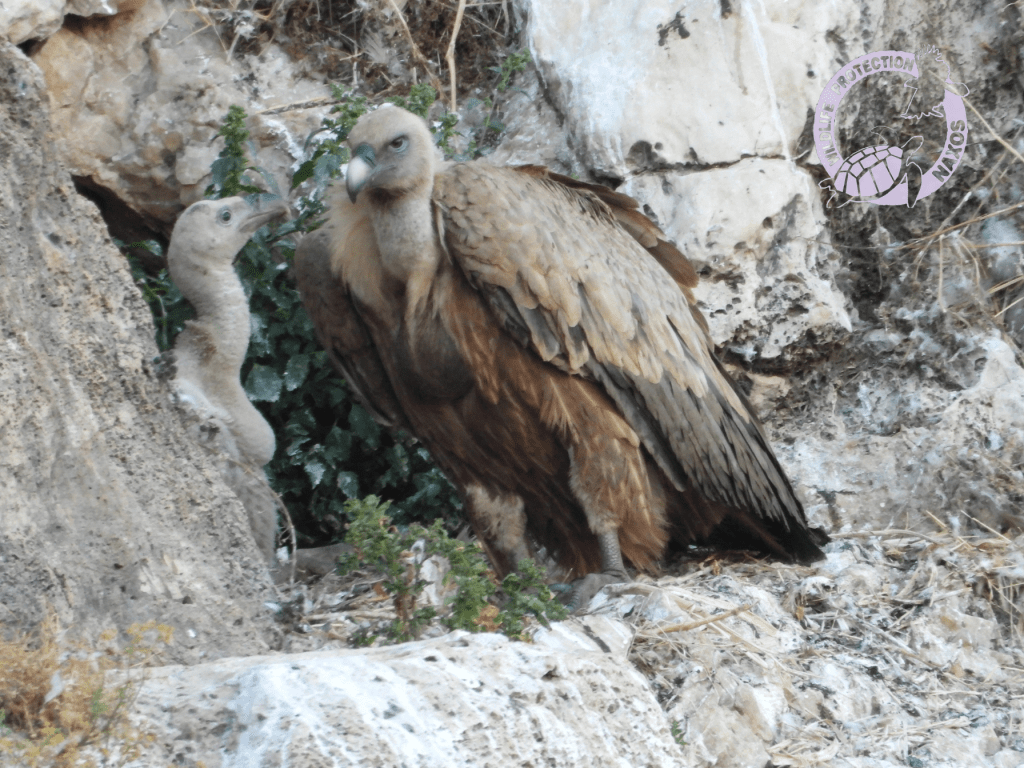

Threats
On the island of Naxos, the main threat against the wild avian fauna is hunting and many protected species end up losing their lives or get seriously injured. Additionally, hunting during non-hunting period takes place, which not only harms the already declining populations of many species, but also creates nuisance, affecting the behavior of the birds and causing health issues.
Besides that, poisoning and poaching with illegal methods, such as net trapping and limesticks takes place. Some species of birds, such as Robins (Erithacus rubecula), are considered in some areas of the island a delicacy and served in restaurants, even though they are a protected species according to the Birds Directive of the E.U..
Wild birds are also caught for keeping as pets, a tradition especially in Greece focusing mostly on songbirds like Goldfinches (Carduelis carduelis).
Also, wild birds are caught for illegal marketing.
On the island, wild birds face also growing threats from habitat loss caused by uncontrolled development, agriciltural expansion and illegal logging. Human activites add further pressure, like heavy summer traffic, pyrotechnics and free-roaming pets, which disturb birds during critical feeding, nesting and breeding periods putting their survival at risk.
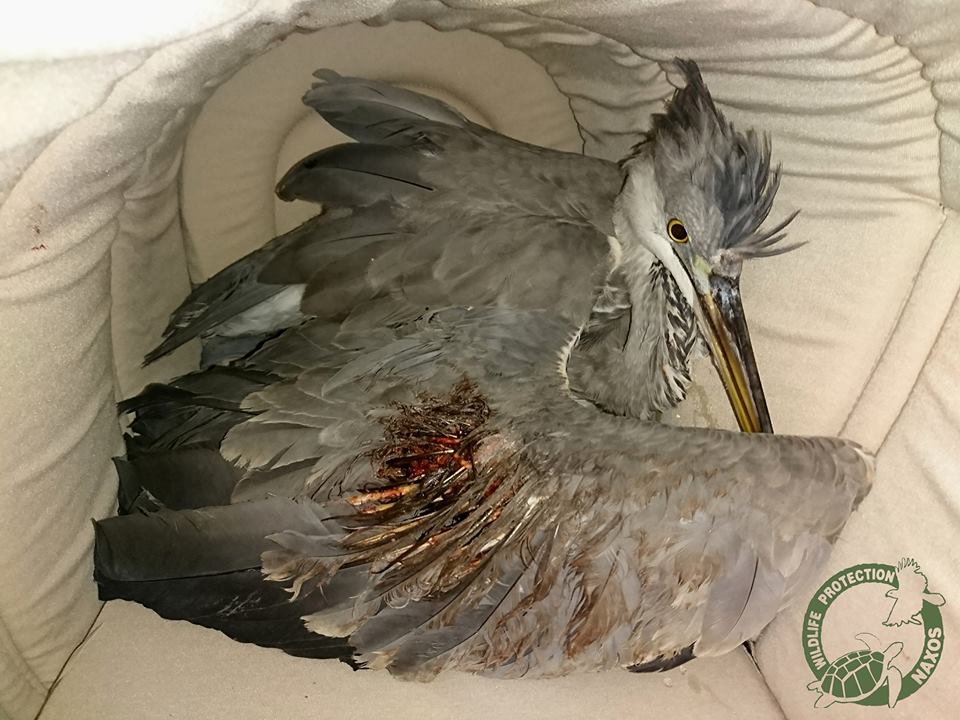
A Grey Heron suffering from an injury caused by a hunting rifle. The Grey Heron belongs to the species protected against hunting.
A Griffon Vulture suffering from poisoning, probably from a poisoned carcass he fed on.


Robins trapped on limesticks. This species is considered a delicacy in some villages of Naxos. Fortunately, these two individuals survived and were released a few days later.
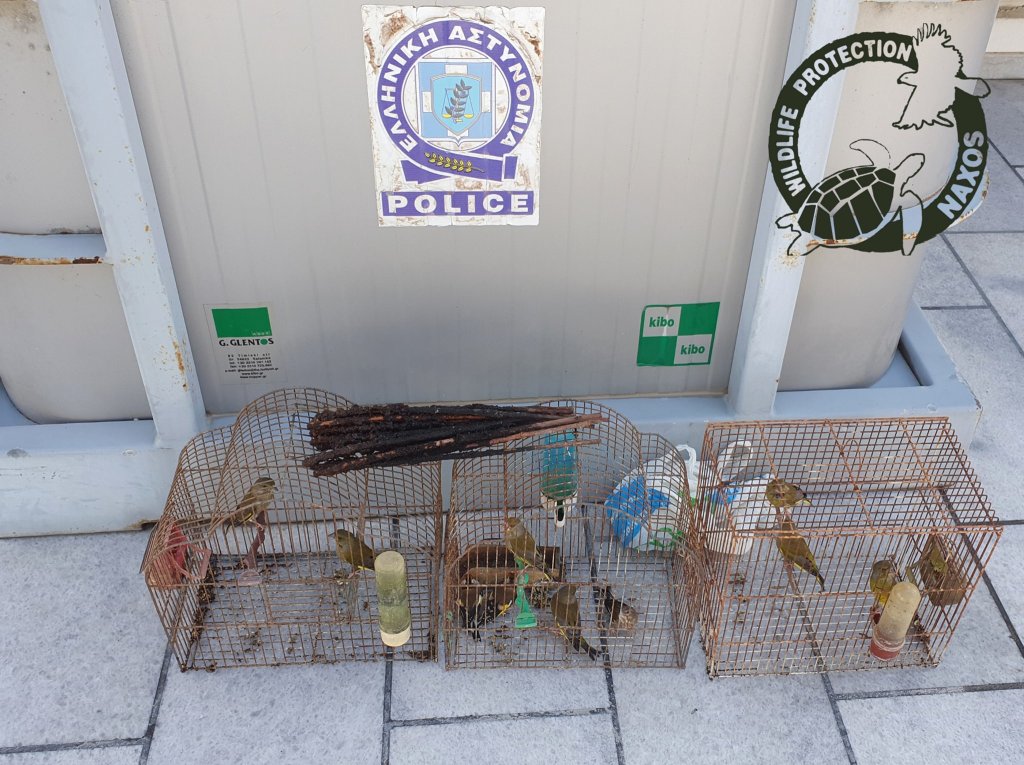
A case of captured wild birds, specifically Goldfinches, Greenfinches and Linnets meant for trade. The majority were treated only for a few days before release, the rest were sent to the Aegean Wildlife Hospital “ALKYONI” in Paros island for hospitalization. On top of the cages are limesticks found on the crime scene.

A nestling Scops Owl who fell from its nest and was attacked by cats. Luckily, its parents were nearby keeping the cats away from their young one. The nestling was successfully placed back in the safety of its nest.
Cats are a major threat for wild bird chicks.
The Law
Greece, being a member of the European Union, has committed to specific laws according to the EU Birds Directive (Council Directive 2009/409/EEC) abiding to protecting wild bird species and their habitats, as well as the national law on Conservation of Biodiversity (Law 3937/2011).
The central points of these laws are as follows:
- All wild birds are protected. Their capture, killing and persecution is prohibited (with the exception of legal hunting). This applies to their eggs, nests and habitats.
- Use of traps, electronic callers, live decoys and nets is prohibited.
- Hunting outside the hunting season is prohibited (in Greece the hunting period lasts in general from end of August until the end of February).
- Within recognized Wildlife Refuges, hunting, capturing and persecution of all wild fauna is prohibited (even during hunting season).
- Deliberate disturbance of the wild birds is prohibited, especially during breeding and nesting season.
- The sale, transport for sale, keeping for sale and the offering for sale of live or dead wild birds is prohibited.
Since the beginning of Naxos Wildlife Protection’s work, our volunteers have searched, located and filed complaints to the authorities against illegal actions in order to protect and rescue wild birds and their habitats (e.g. the case of the Wildlife Refuge in Western Naxos).
How you can help!

In case you witness an illegal action against wild birds, such as the cases mentioned above, contact immediately Naxos Wildlife Protection and the authorities.
Species of Wild Birds of Naxos
Below, you can find a list with some of the species of wild birds found on Naxos island.
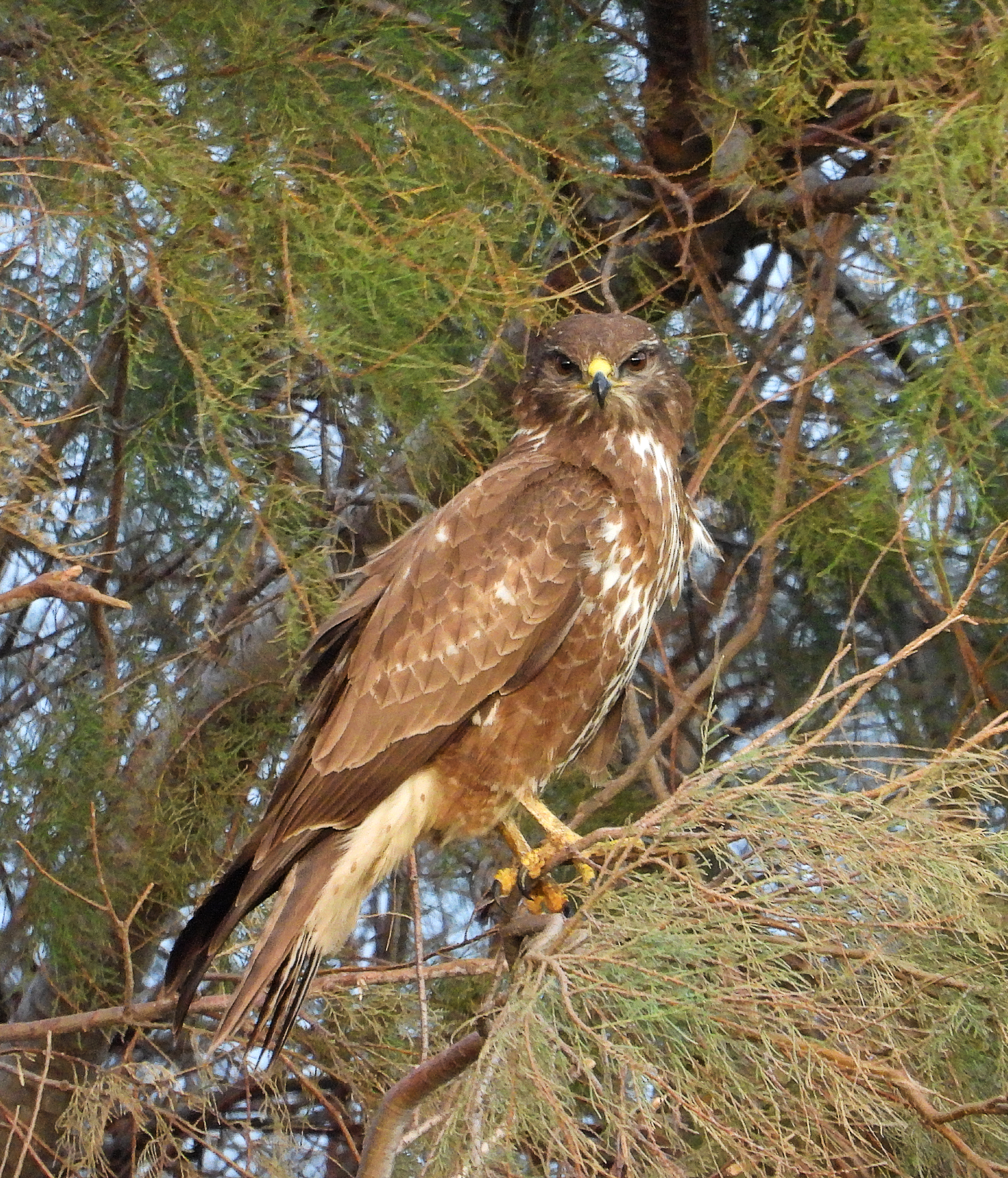
Birds of Prey
| Common name | Scientific name | M: migratory R: resident |
| Griffon Vulture | Gyps fulvus | R |
| Short-toed eagle | Circaetus gallicus | M |
| Bonelli’s eagle | Aquilla fasciata | R |
| Marsh harrier | Circus aeruginosus | M |
| Hen harrier | Circus cyaneus | M |
| Buzzard | Buteo buteo | R |
| Honey buzzard | Pernis apivorus | M |
| Eurasian sparrohawk | Accipiter nisus | M |
| Kestrel | Falco tinnunculus | R |
| Red-footed kestrel | Falco vespertinus | M |
| Hobby | Falco subbuteo | M |
| Eleonora’s falcon | Falco eleonorae | M |
| Long eared owl | Asio otus | Μ |
| Short eared owl | Asio flammeus | Μ |
| Barn owl | Tyto alba | R |
| Little owl | Athene noctua | R |
| Scops owl | Otus scops | R |
| Hooded crow | Corvus cornix | R |
| Carrion crow | Corvus corone | R |
| Long legged buzzard | Buteo rufinus | M |
| Osprey | Pandion haliaetus | M |
| Golden Eagle | Aquila chrysaetos | R |
| Peregrine falcon | Falco peregrinus | R |
| European nightjar | Caprimulgus europaeus | R |

Wading and Aquatic Birds
| Common name | Scientific name | M: migratory R: resident |
| White fronted goose | Anser albifrons | M |
| Shelduck | Tadorna tadorna | M |
| Ruddy shelduck | Tadorna ferruginea | M |
| Mallard | Anas platyrhynchos | M |
| Pintail | Anas acuta | M |
| Shoveler | Anas clypeata | M |
| Wigeon | Anas penelope | M |
| Teal | Anas crecca | M |
| Garganey | Anas querquedula | M |
| Pochard | Aythya ferina | M |
| Ferruginous duck | Aythya nyroca | M |
| Slavonian grebe | Podiceps auritus | M |
| Black necked grebe | Podiceps nigricollis | M |
| Little grebe | Taehybaptus ruficollis | M |
| White pelican | Pelecanus onocrotalus | M |
| Cormorant | Phalacrocorax carbo | M |
| Bittern | Botaurus stellaris | M |
| Little bittern | Ixobrynchus minutus | M |
| Night heron | Nycticorax nycticorax | M |
| Cattle egret | Bubulcus ibis | M |
| Squacco heron | Ardeola ralloides | M |
| Little egret | Egretta garzetta | M |
| Great egret | Ardea alba | M |
| Grey heron | Ardea cinerea | M |
| Purple heron | Ardea purpurea | M |
| White stork | Ciconia ciconia | M |
| Glossy ibis | Plegadis falcinellus | M |
| Flamingo | Phoenicopterus ruber | M |
| Water rail | Rallus aquaticus | M |
| Moorhen | Gallinula chloropus | M |
| Coot | Fulica atra | M |
| Crane | Grus grus | M |
| Oystercatcher | Haematopus astralegus | M |
| Avocet | Recuruirostra avosetta | M |
| Black winged stilt | Himantopus himantopus | M |
| Little ringed plover | Charadrius dubius | M |
| Kentish plover | Charadrius alexandrinus | M |
| Golden plover | Pluvialis apricaria | M |
| Lapwing | Vanellus vanellus | M |
| Dunlin | Calidris alpina | M |
| Wood sandpiper | Tringa glareola | M |
| Black tailed godwit | Limosa limosa | M |
| Spotted redshank | Tringa erythropus | M |
| Ruff | Philomachus pugnax | M |
| Mute swan | Cygnus olor | M |
| Grey plover | Pluvialis squatarola | M |
| Great crested grebe | Podiceps cristatus | M |
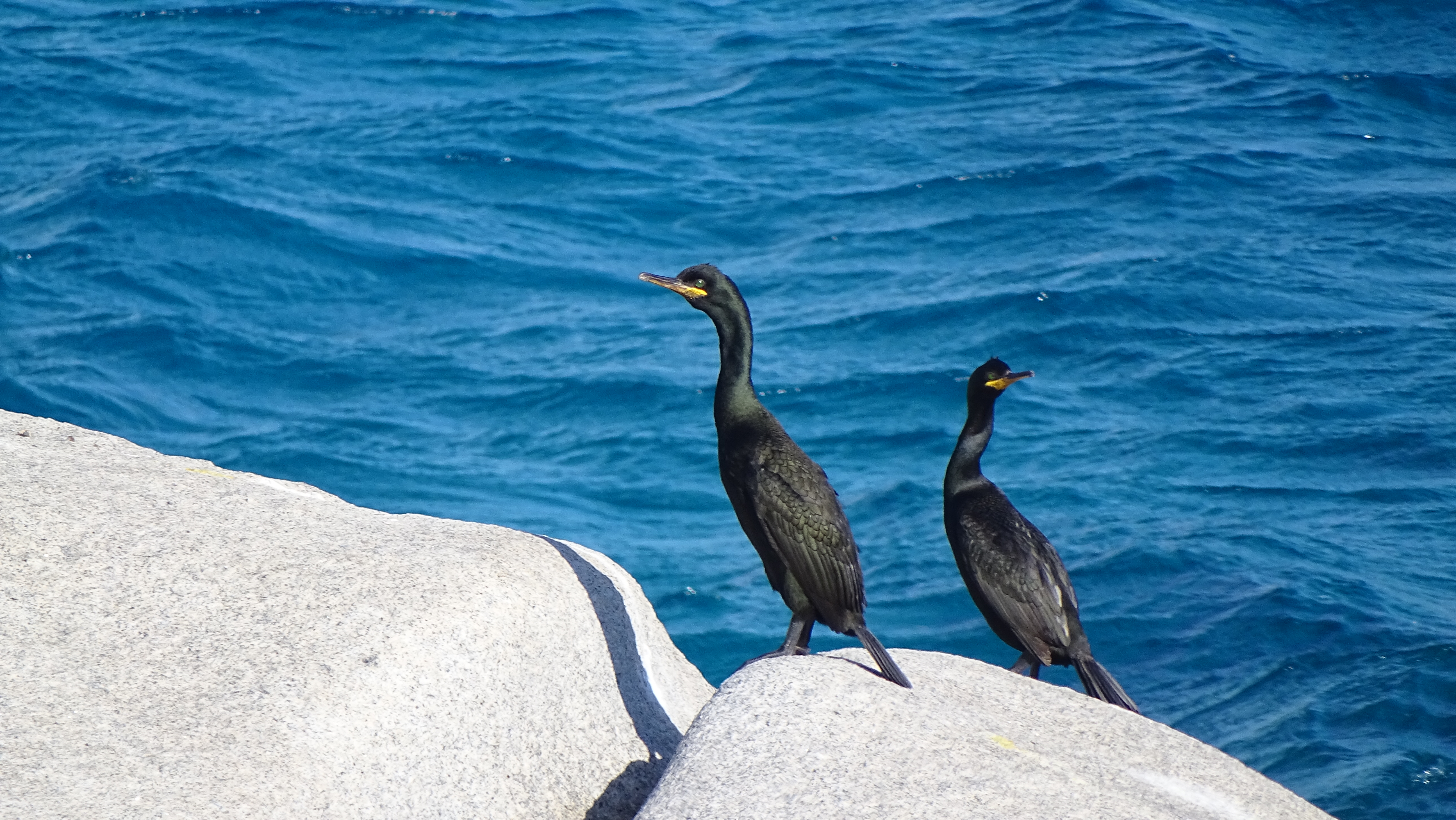
Seabirds
| Common name | Scientific name | M: Migratory R: Resident |
| Shag | Phalacrocorax aristotelis | R |
| Black headed gull | Chroicoceplahlus ridibundus | M |
| Herring gull | Larus argentatus | R |
| Audouin’s gull | Larus audouinii | M |
| Mediterranean gull | Ichthyaetus melanocephalus | M |
| White winged tern | Chlidonias leucopterus | M |
| Little gull | Hydrocoloeus minutus | M |
| Scopoli’s shearwater | Calonectris d. dimonedea | M |
| Yelkouan shearwater | Puffinus yelkouan | M |
| Storm petrel | Hydrobates pelagicus | M |
| Gull-billed tern | Gelochelidon nolitoca | M |
| Sandwich Tern | Sterna sandvicensis | M |
| Slender billed gull | Chroicocephalus genei | M |

Passerine and Songbirds
| Common name | Scientific name | M: Migratory R: Resident |
| Cirl bunting | Emberiza cirlus | R |
| Serin | Serinus serinus | M |
| Siskin | Carduelis spinus | M |
| Greenfinch | Chloris chloris | M |
| Goldfinch | Carduelis carduelis | R |
| Linnet | Carduelis cannabina | M |
| Chaffinch | Fringilla coelebs | M |
| Chiffchaff | Phylloscopus collybita | M |
| Olivaceous warbler | Iduna pallida | M |
| Sardinian warbler | Sylvia melanocephala | M |
| Blackcap | Sylvia atricapilla | M |
| Stonechat | Saxicola rubicola | M |
| Black eared wheateater | Oenanthe hispanica | M |
| Robin | Erithacus rubecula | M |
| Willow warbler | Phylloscopus trochilus | M |
| Song Thrush | Turdus philomelos | M |
| Cetti’s warbler | Cettia cetti | M |
| Red backed shrike | Lanius collurio | M |

Other birds
| Common name | Scientific name | M: Migratory R: Resident |
| Turtle dove | Streptopelia turtur | M |
| Collared dove | Streptopelia decaocto | R |
| Hoopoe | Upupa epops | M |
| Kingfisher | Alcedo atthis | M |
| Bee eater | Merops apiaster | M |
| Barn swallow | Hirundo rustica | M |
| White wagtail | Motacilla alba | M |
| Yellow wagtail | Motacilla flava | M |
| Grey wagtail | Motacilla cinerea | M |
| Blue rock thrush | Monticola solitarius | M |
| Hawfinch | Coccothraustes coccothraustes | M |
| Chukar | Alectoris chukar | M |
| Quail | Coturnix coturnix | M |
| Corncrake | Crex crex | M |
| Woodcock | Scolopax rusticola | M |
| Starling | Sturnus vulgaris | M |
| Crested lark | Galerida cristata | R |
| Eurasian stone curlew | Burhinus oedicnemus | M |
| Sand martin | Riparia riparia | M |


Birds of prey on Naxos island: (left to right) Sparrowhawk (Accipiter nisus), Eurasian Kestrel (Falco tinnunculus), Eleonora’s falcon (Falco eleonorae), Buzzard (Buteo buteo), Griffon Vulture (Gyps fulvus).


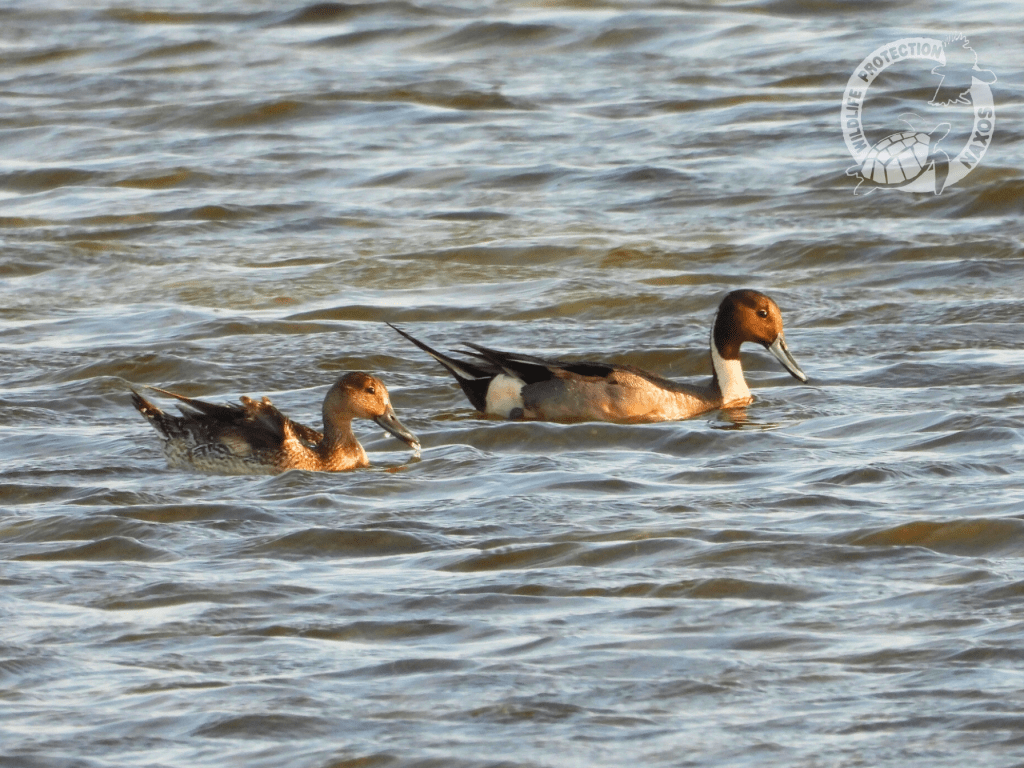
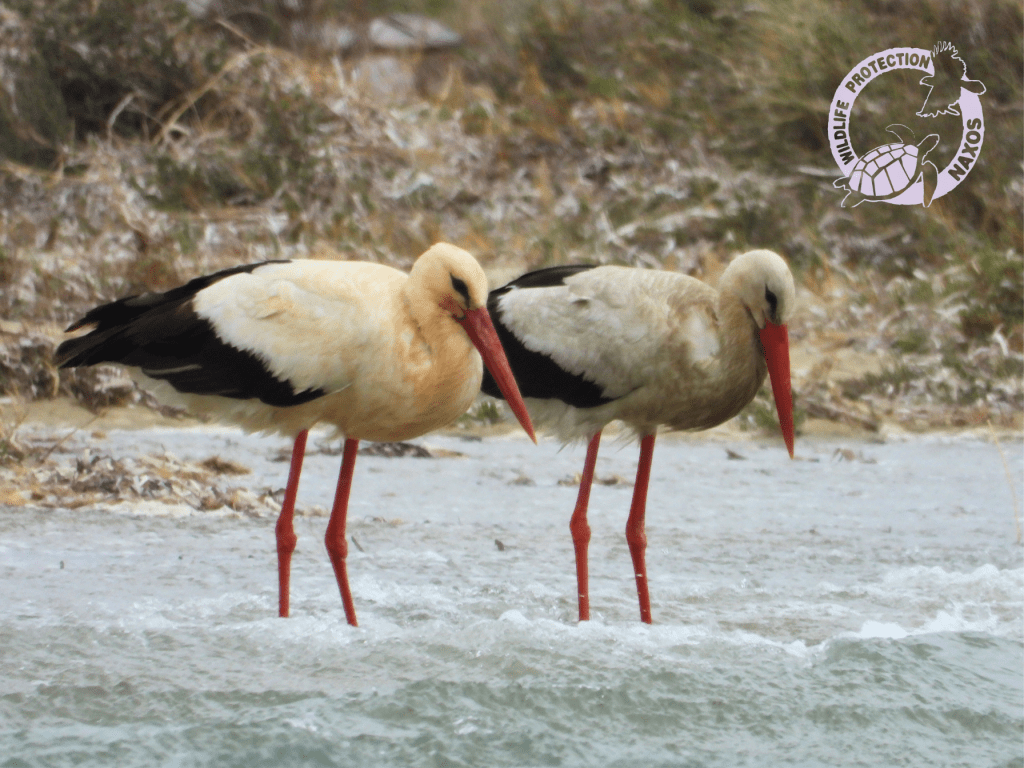
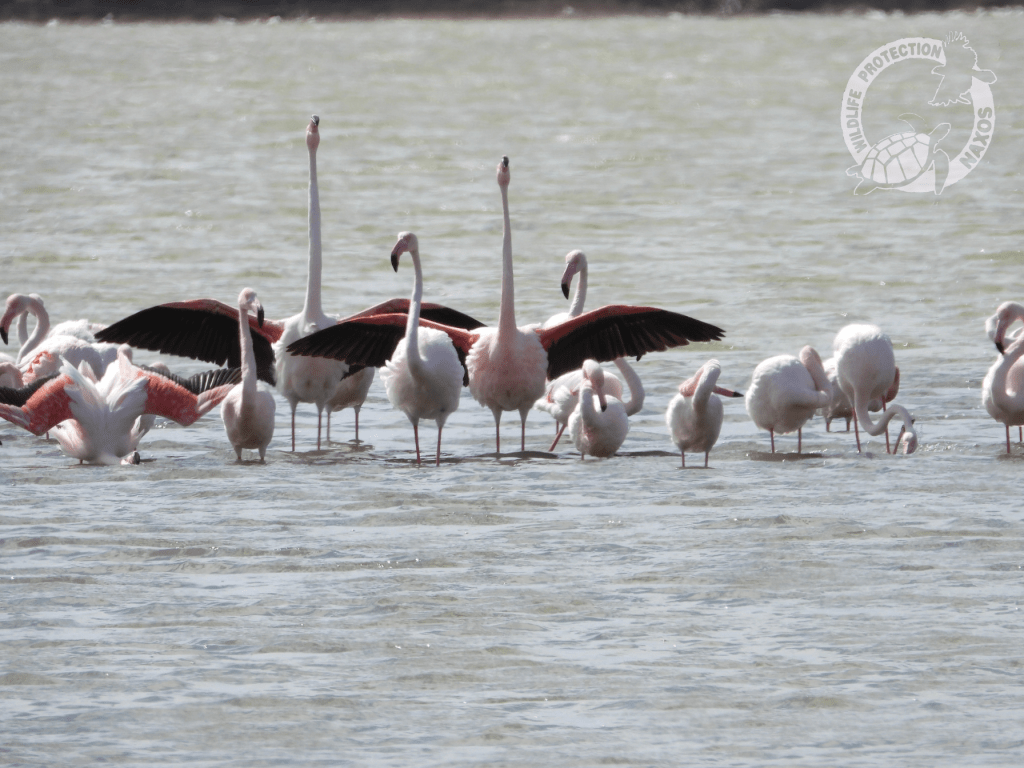
Aquatic birds: (left to right) Oystercatcher (Haematopus ostralegus), Ruddy Shelducks (Tadorna ferruginea), Mute Swan (Cygnus olor), Pintails (Anas acuta), White Storks (C. ciconia), flock of Flamingos (Phoenicopterus ruber).


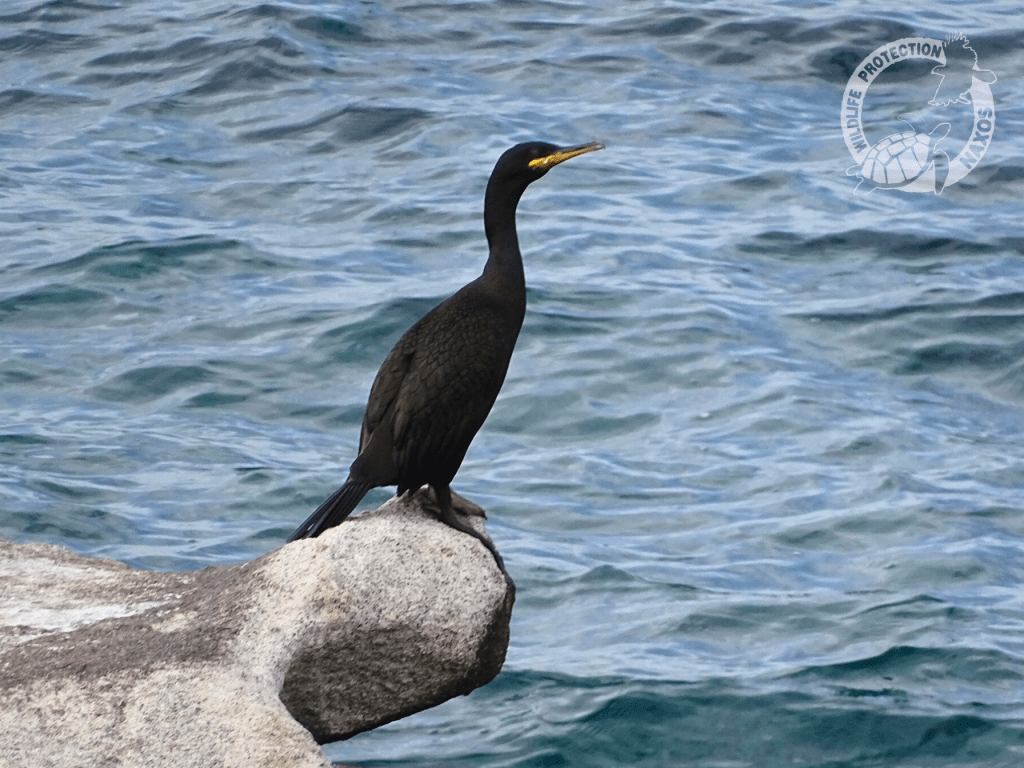
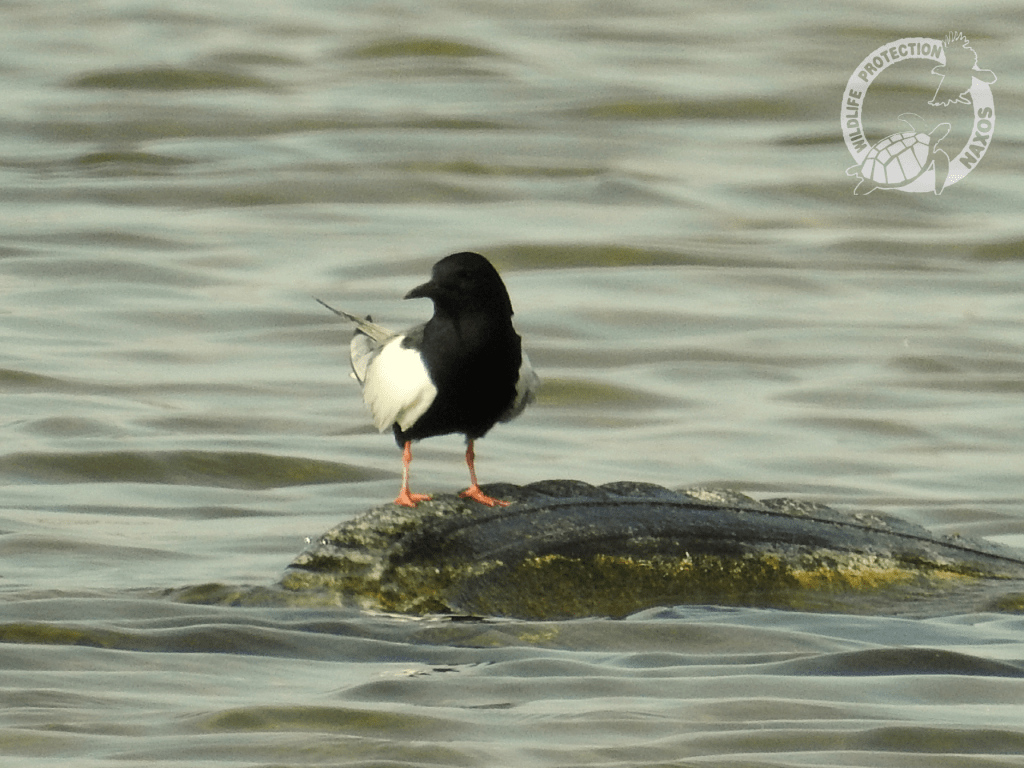
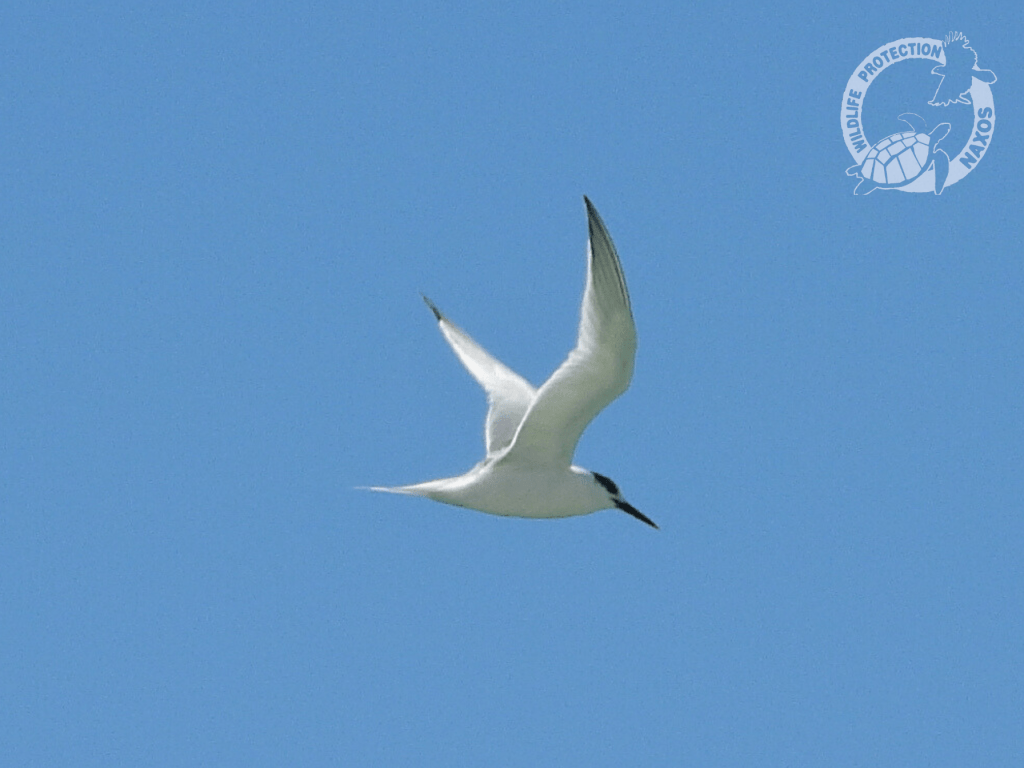
Seabirds: (left to right) Slender-billed Gull (Chroicocephalus genei), flock of Gull-billed Terns (Gelochelidon nilotica), Shag (Phalacrocorax aristotelis), White-winged Tern (Chlidonias leucopterus), Sandwich Tern (Sterna sandvicensis).
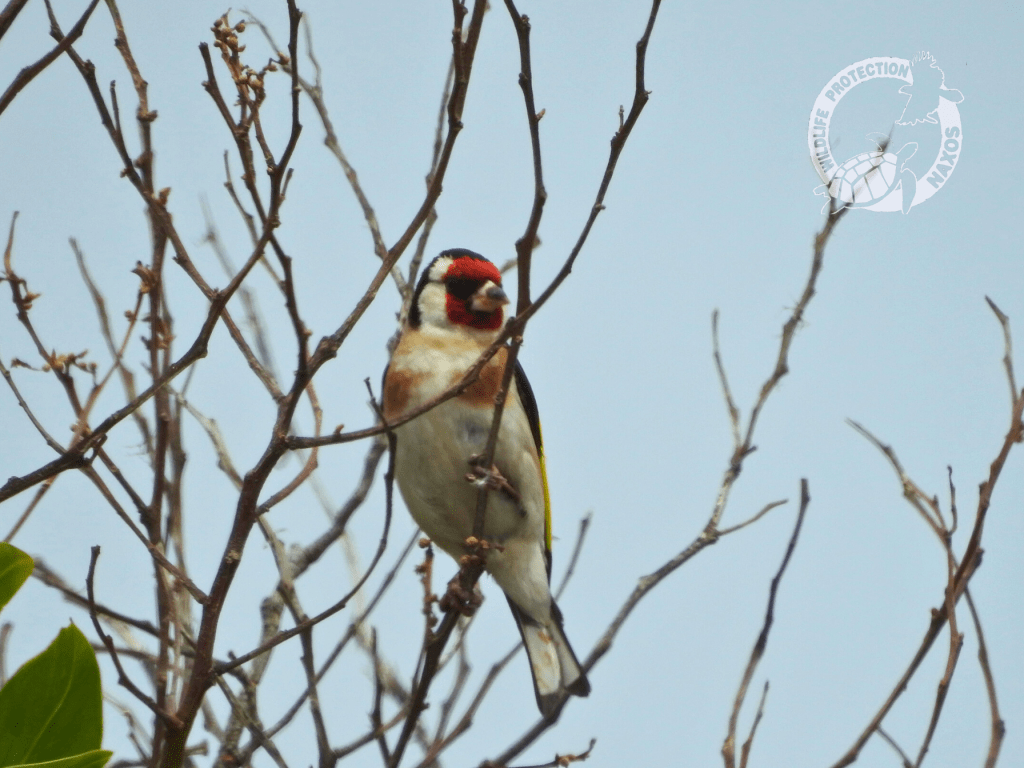
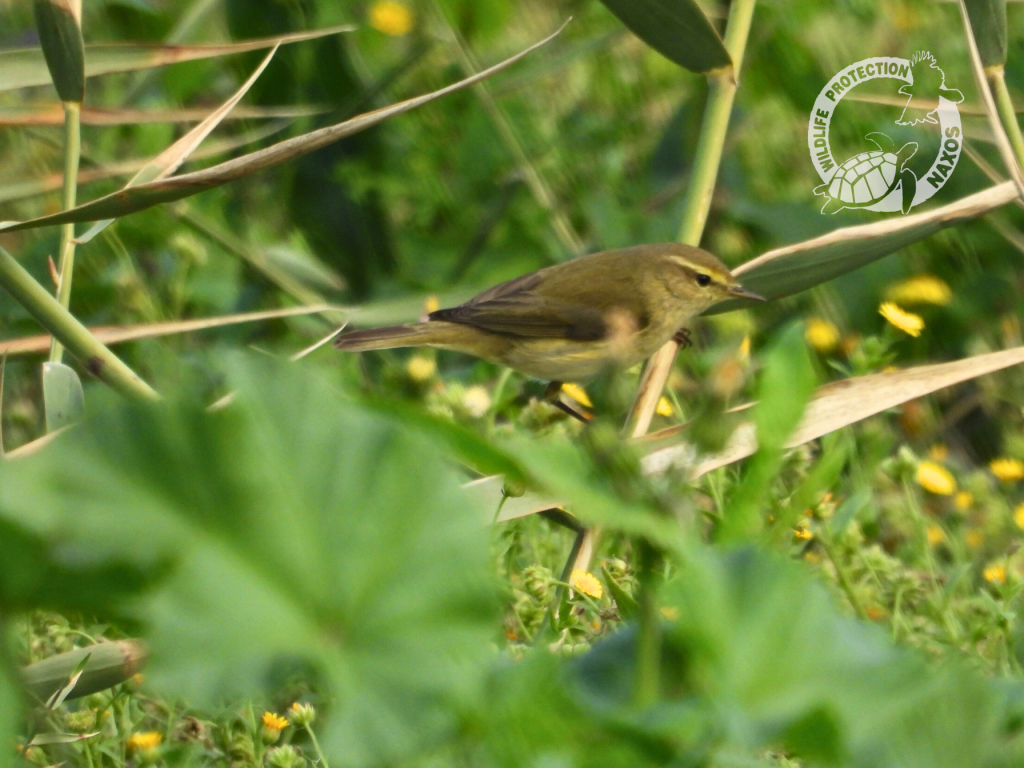


Passerine and Songbirds: (left to right) Goldfinch (C. carduelis), Willow Warbler (Phylloscopus trochilus), Cirl bunting (Emberiza cirlus), Siskin (Carduelis spinus), Greenfinch (Chl. chloris), European Stonechat (Saxicola rubicola)
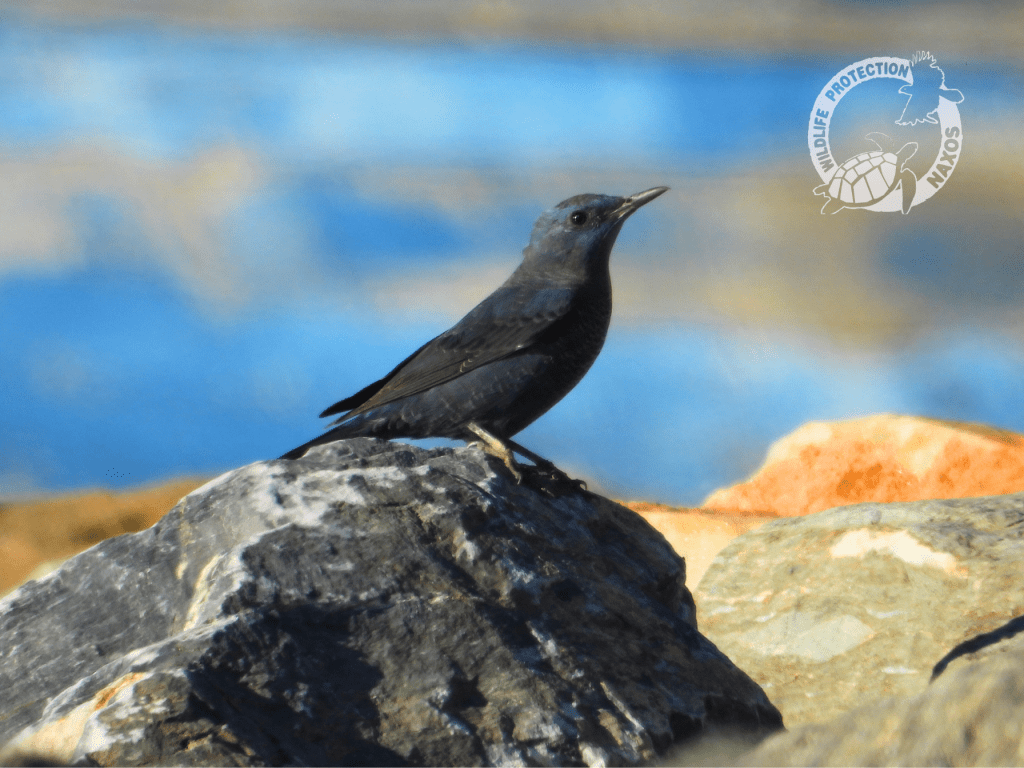
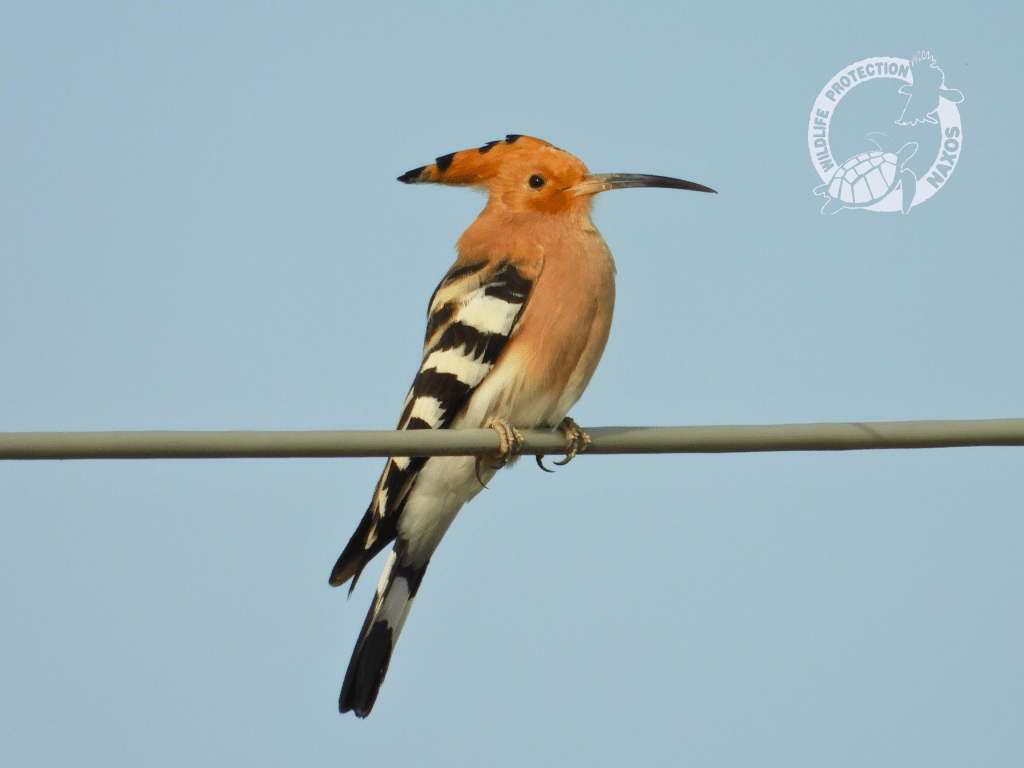
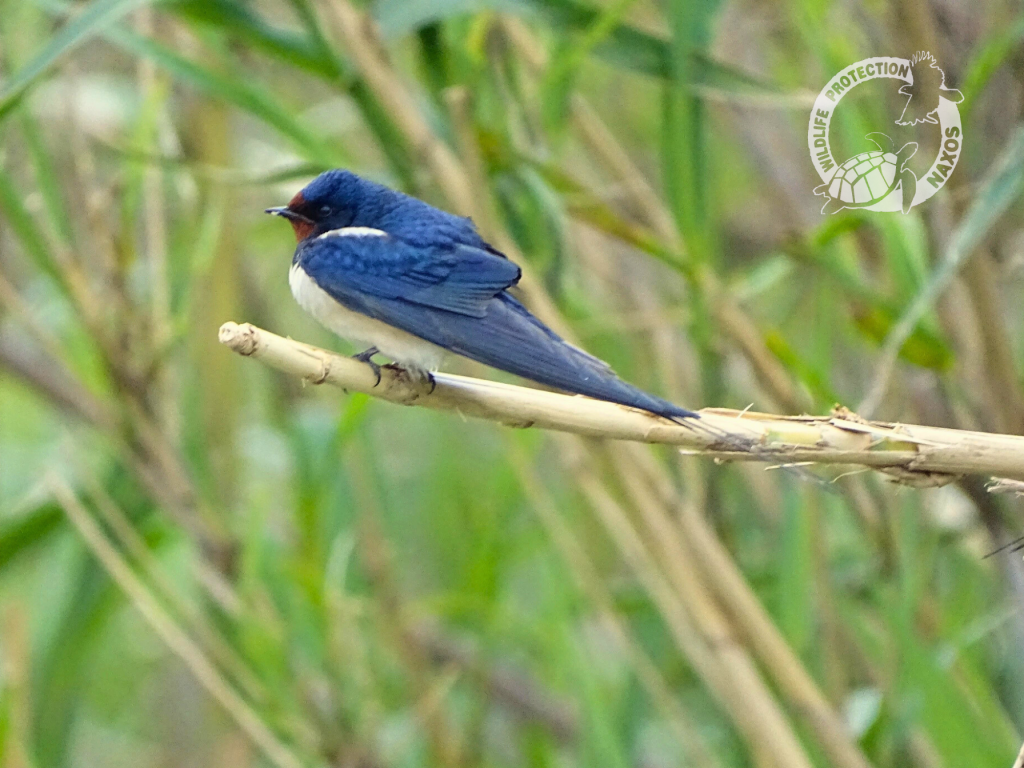
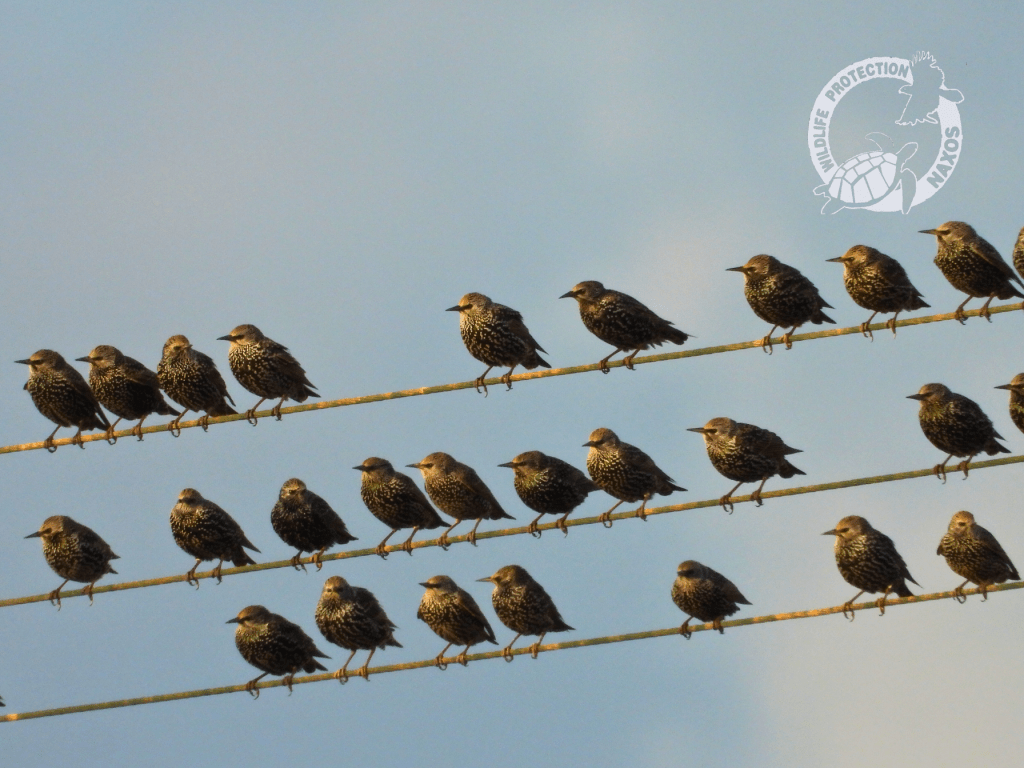
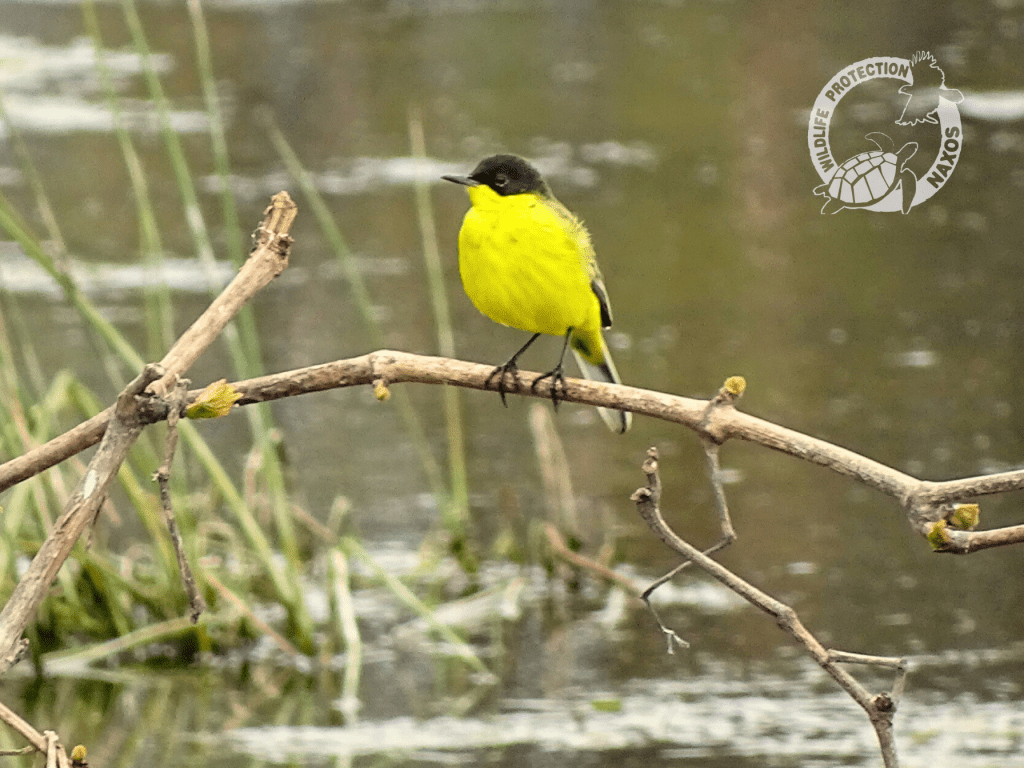

Other birds: (left to right) Blue Rock Thrush (Monticola solitarius), Hoopoe (Upupa epops), Barn Swallow (Hirundo rustica), Starlings (Sturnus vulgaris), Yellow Wagtail (Motacilla flava), European Beeeater (Merops apiaster).
Follow us on Instagram!


 Naxos Wildlife Protection