
English/Ελληνικά
The Lagoon
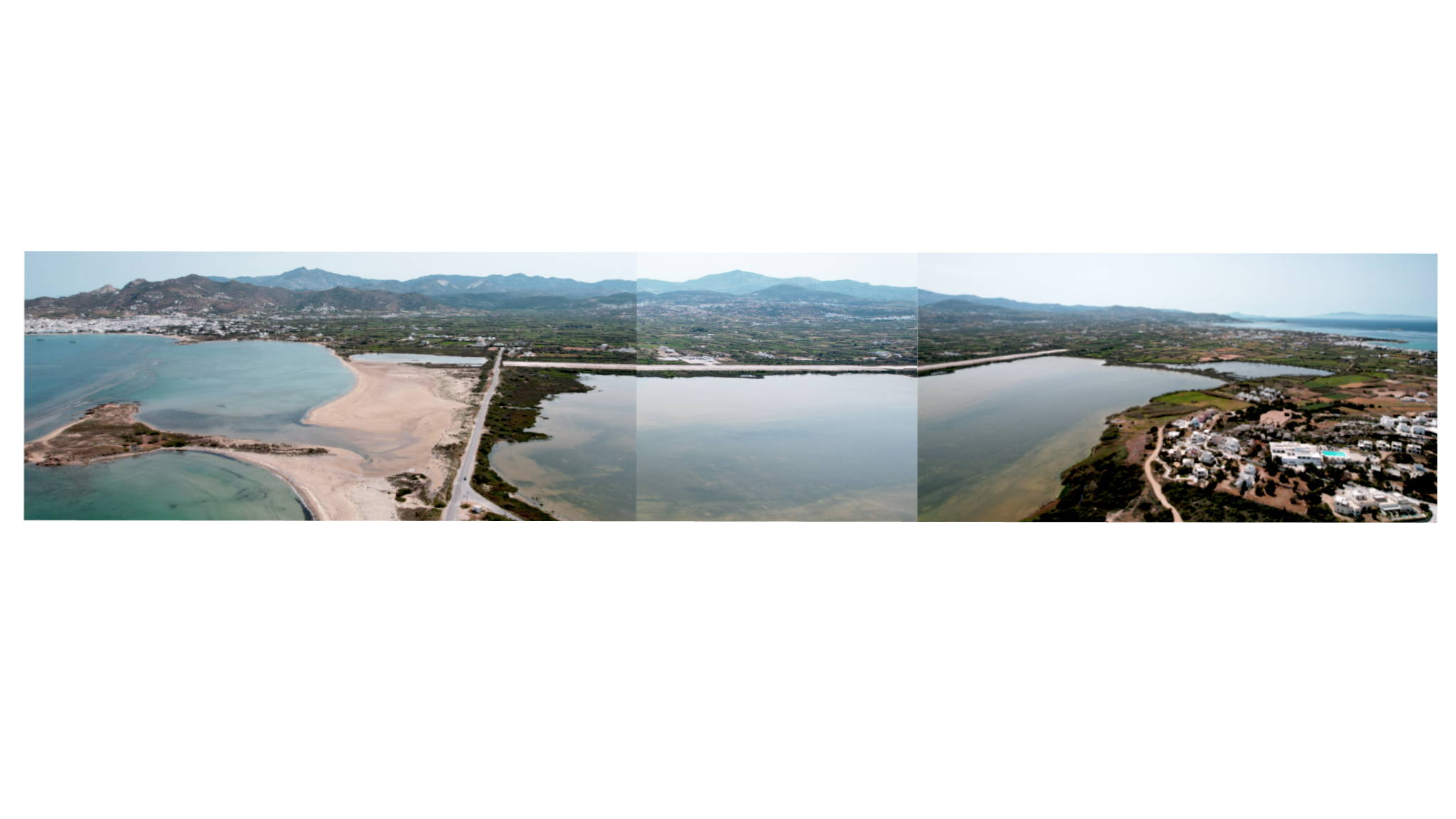
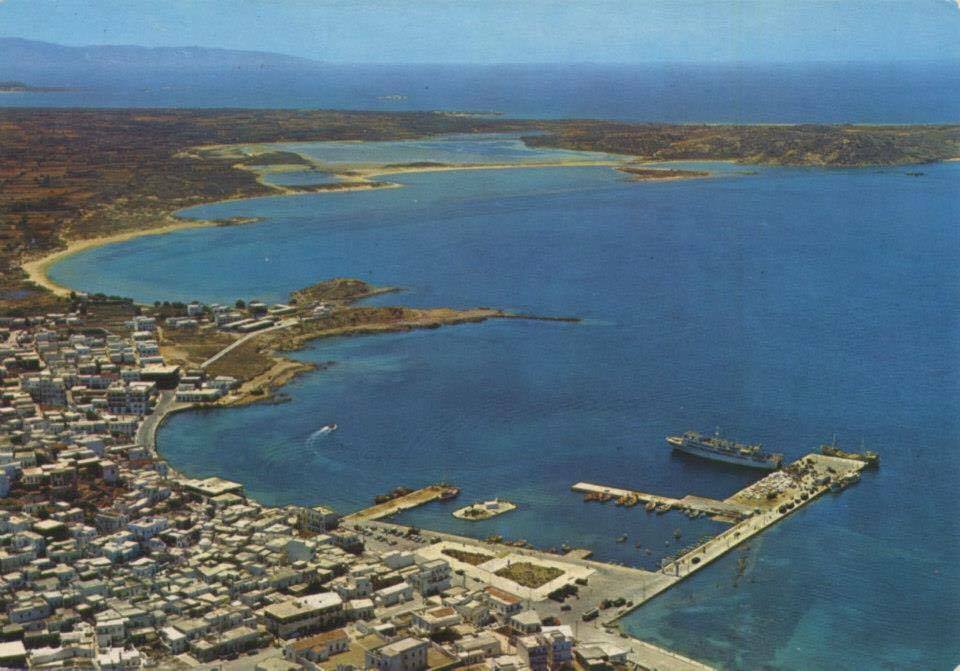
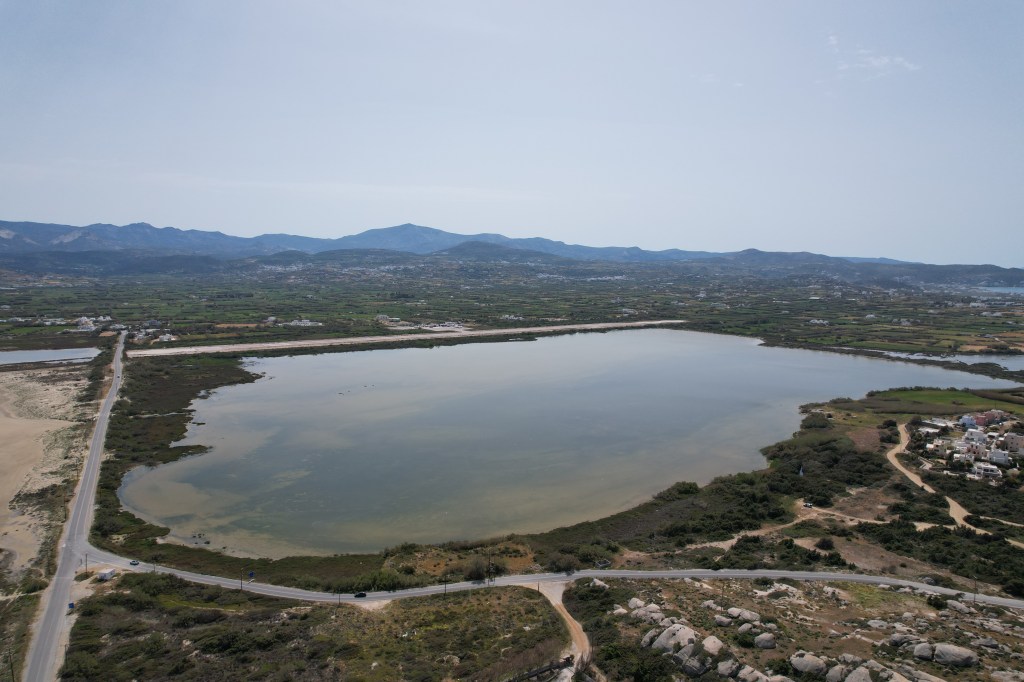
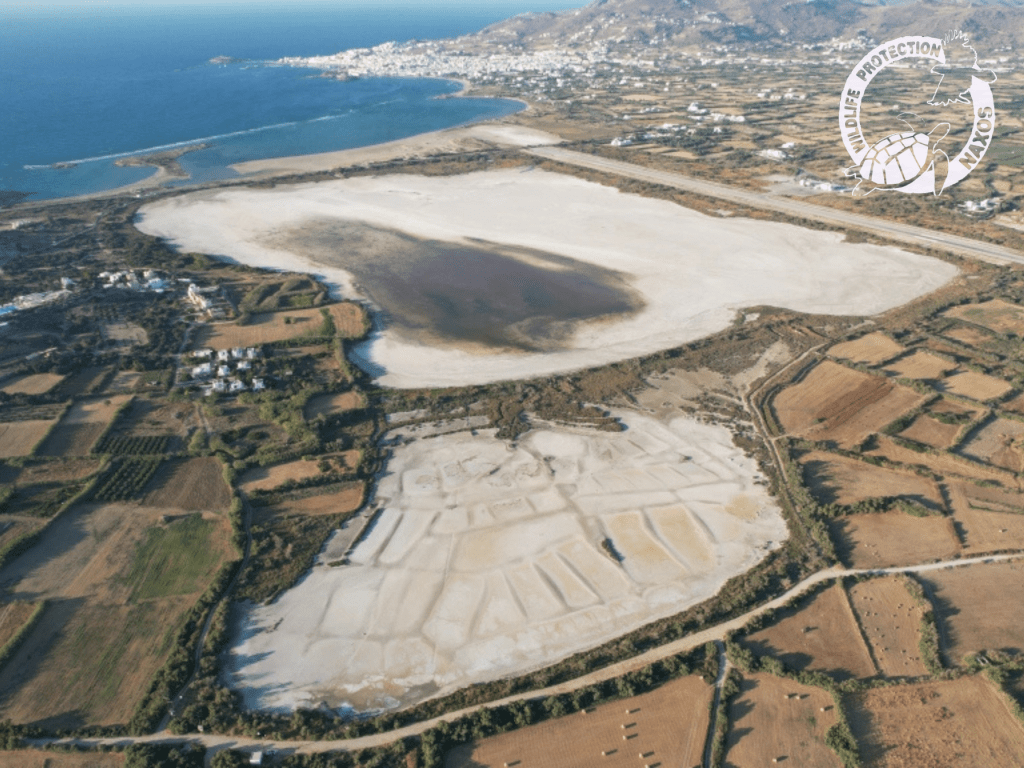
Just 2,5 km south of Naxos town lies the biggest wetland of the island and the Cyclades known as Aliki (Saltlake), a characterized Wildlife Refuge since 2004 according to the Greek legislation Φ.Ε.Κ. 652/Β/04-05-04 covering an area of 170 hectares. The correct term of this wetland is lagoon and it will be mentioned from now on as so.
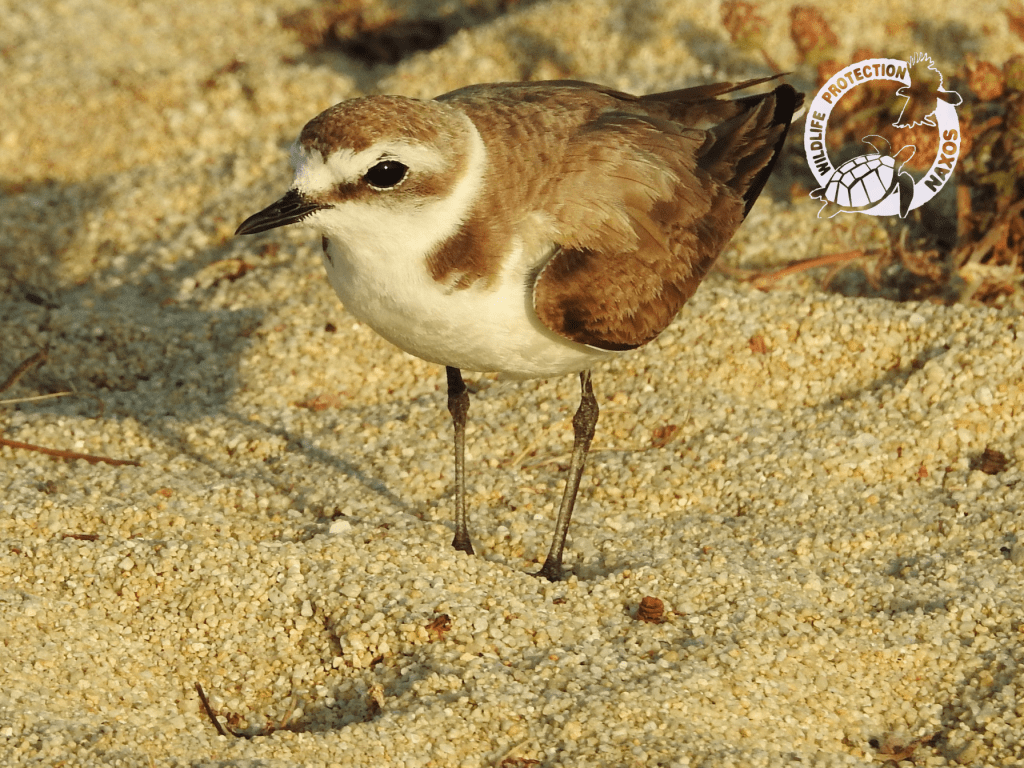
In the north is a sandy beach, known as Laguna beach, which is covered in sand dunes, tamarisks (Tamarix hampeana), sea daffodils (Pancratium maritimum) and other species of vegetation and is the habitat of avian fauna such as the Kentish plovers (Charandrius alexandrinus) and the Crested larks (Galerida cristata), that feed and nest on the sand. The whole coastline attracts waders and marine birds, especially during ebb and flow, where they feed on small fish and benthic invertebrates.

Moreover, in the north of the wetland, a road drosses the coastline cutting off the once open access between the Lagoon and the sea, which, due to its small opening, blocks because of accretion of sand and stops the continuous flow of water and the passage for marine life to enter or exit.
According to historical evidence, the Lagoon used to be covered in water throughout the whole year before the road and the airport were built.
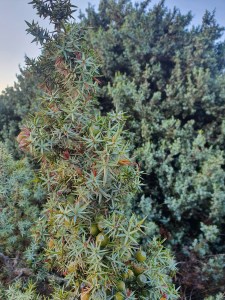
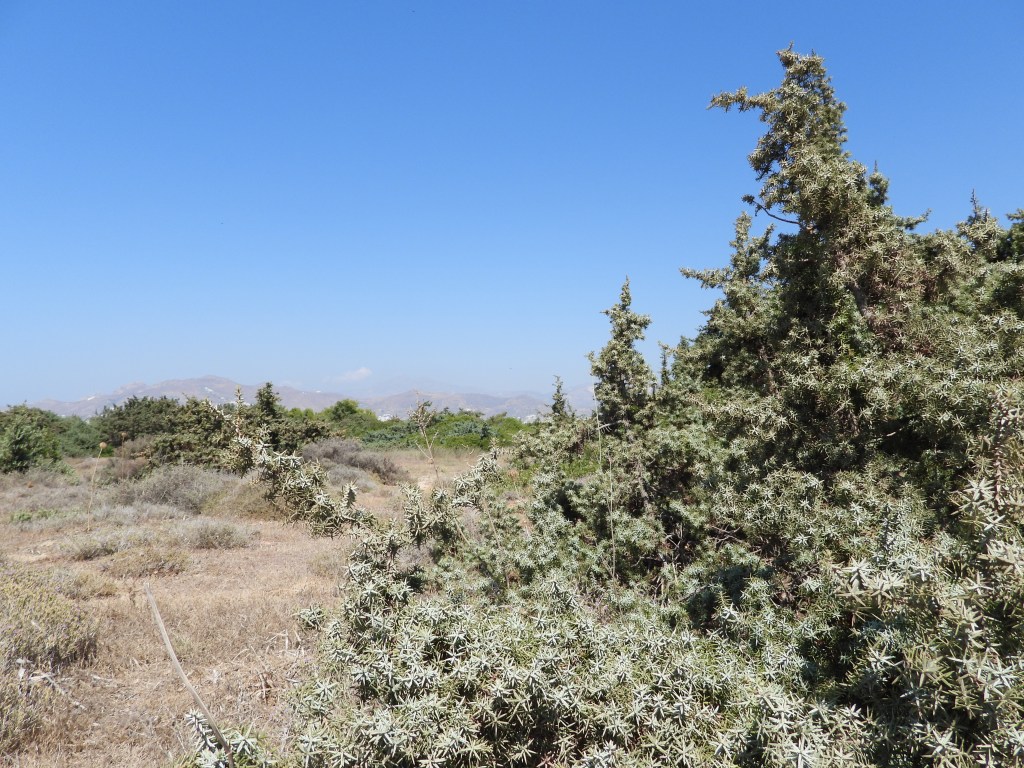
West of the Lagoon is a small Juniper forest (Juniperus macrocarpa). The Juniper tree shows great tolerance in soil salinity and dry conditions, is endemic to the Mediterranean coasts and these forests are a priority habitat according to the European legislation ΦΕΚ 3723/Β/12-08-2021 (code 2250). The Juniper tree can reach 10m in height and used to cover the south-western coasts of Naxos island decades ago, but the majority of it, as well as the sand dunes, were destroyed due to uncontrolled coastal building.
To the south of the Lagoon there are smaller wetlands, which no longer have a connection to the sea. Decades ago, the whole area was a single lagoon, however, first a sand dam was built in the south, dividing it into 2 parts and, starting from 1984 until its completion in 1992, an airport was built in the east on a marshy part of the Lagoon, separating the wetland into smaller individual ponds.
The landfilling of parts of the Lagoon began decades ago with the rationale of preventing seawater from infiltrating the underground aquifer, destroying coastal crops. However, the salinization occurred when the uncontrolled pumping of groundwater began and gradually worsened.
The presence of the road and the airport, which turn into intense sources of noise pollution especially during the summer months, have turned this oasis into a demanding and inhospitable place for wildlife.
Cultivable lands are found to the south and east (some are used while others appear to be abandoned) and groundwater pumping is observed in various places within the Wildlife Refuge.
The circle of life of the Lagoon
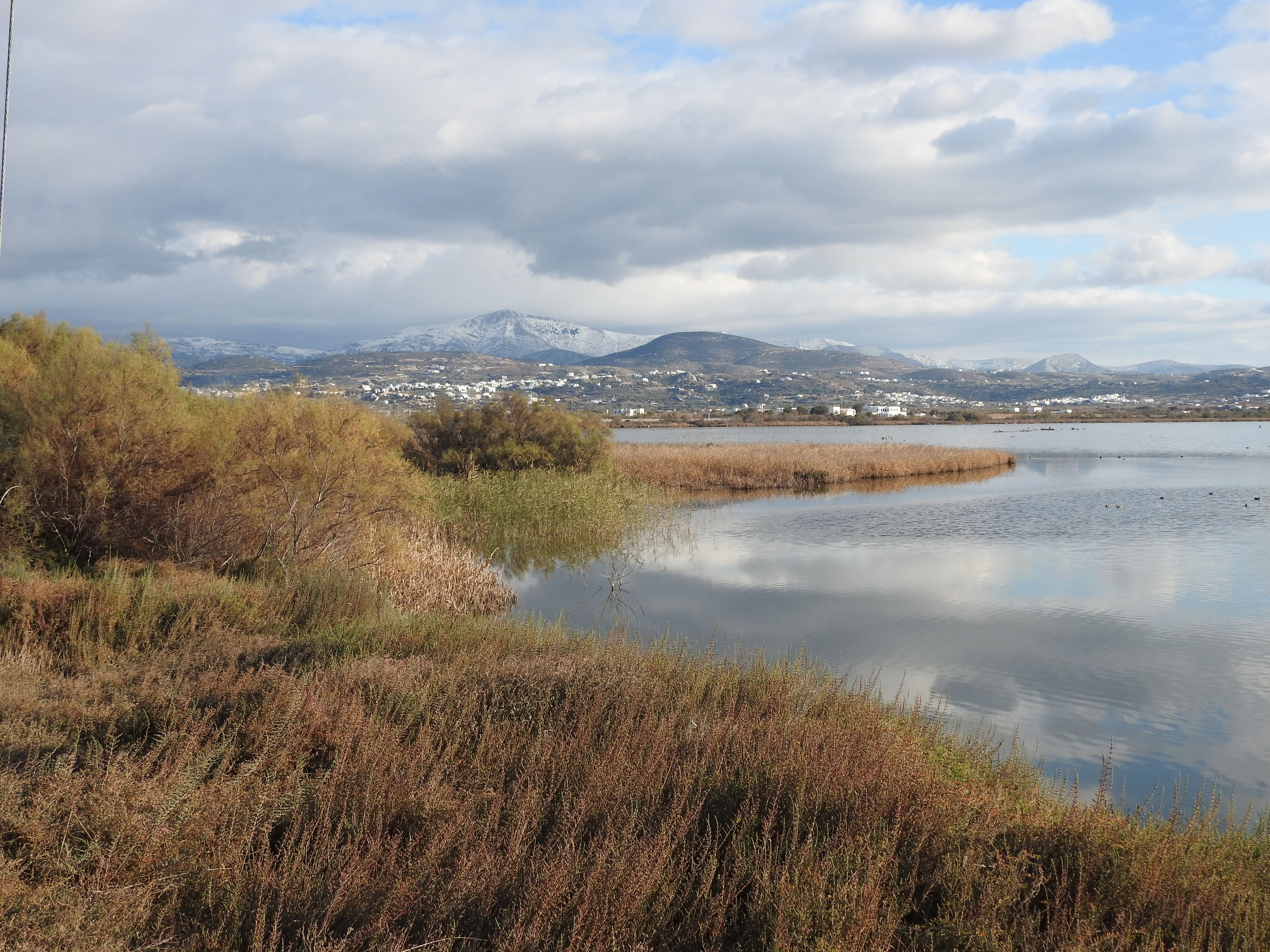
The Lagoon is a wetland that, since the road was built and cut off the continuous access to the sea, is seasonally wet, meaning it goes through a period covered with water and a period when it is dry. Nevertheless, throughout the year different organisms of flora and fauna thrive.
It includes not only the lagoon, but also the surrounding area which is equally important, covered by grassy vegetation, halophytes, sand dunes, juniper forest and a sandy beach. In fact, it is this variety of habitats in a wetland that makes it a magnet for so many species of plant and animal life.
The first rainfall
From the end of October to the beginning of November, the first rains begin, which herald the beginning of the regeneration of the Lagoon.
Usually by then the temperatures have dropped a bit and the lagoon looks like it’s waking up. From the south and east, small streams come to life and fresh water from the mountains flow and end first in the southern lake and then in the larger, northern lake. The combination of strong winds pushing seawater from the north and rains begin to fill the Lagoon, a process that can last a few days to weeks depending on the amount of rainfall.
Water can enter a wetland through a number of hydrologic pathways, including precipitation, surface water flow, groundwater sources, tides, and wave action of the sea.
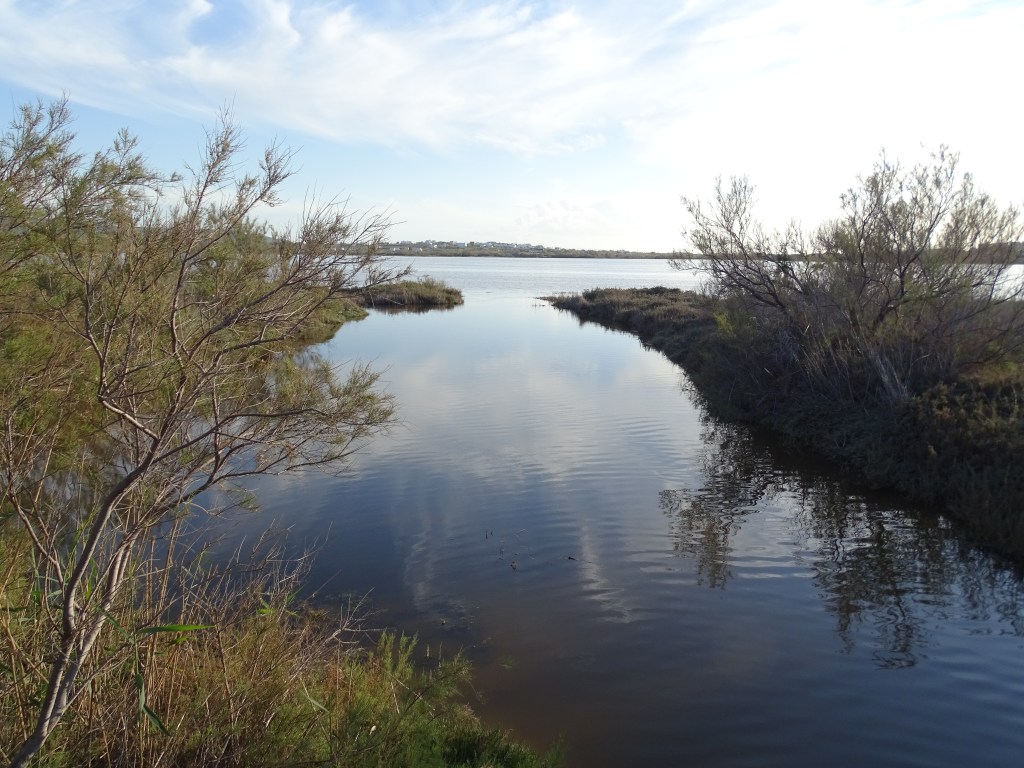
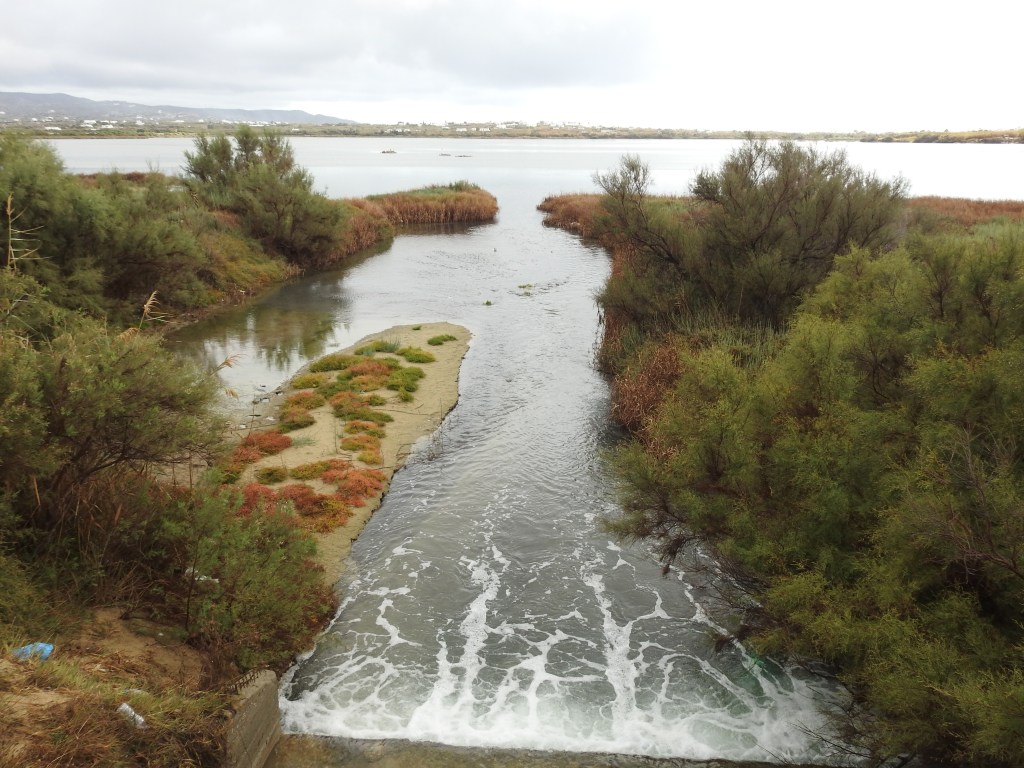
This mixture of sea and fresh water, and the existence of an entry-exit passage of water through wave motion, create an ideal habitat for fish species that use the natural protection of the lagoon as a “nursery”. Also many invertebrates enter or are activated by the presence of water after the summer dry season.
All these attract predators such as wild birds, amphibians, reptiles and small mammals.
The first rains bring with them the first migratory birds.
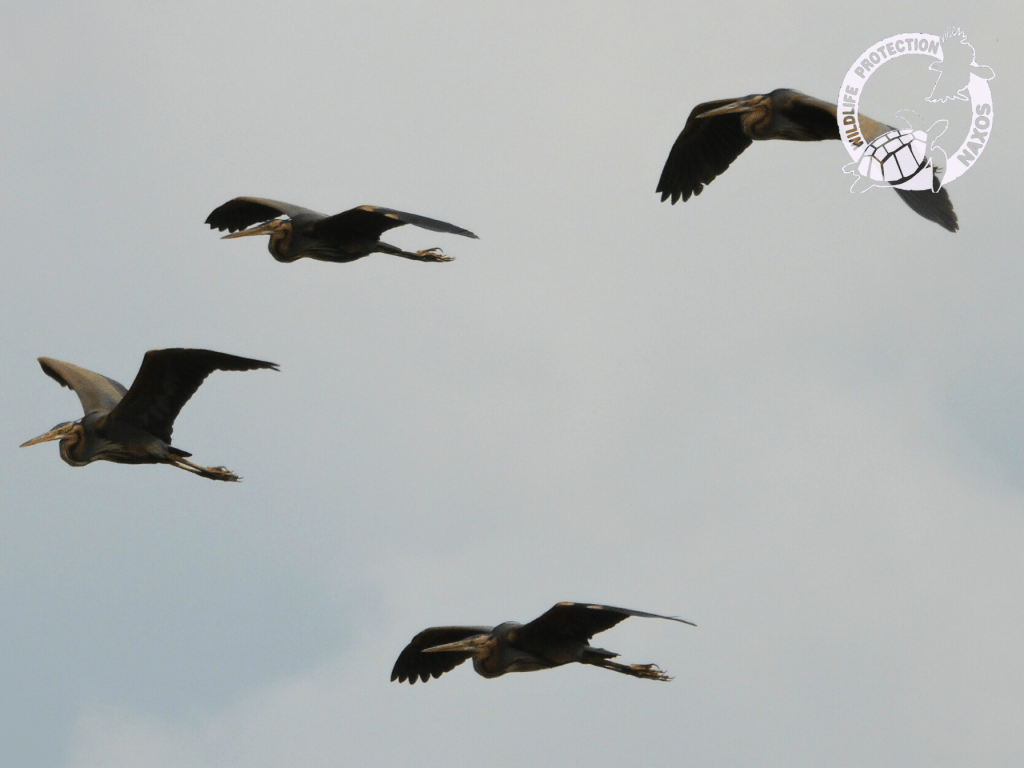
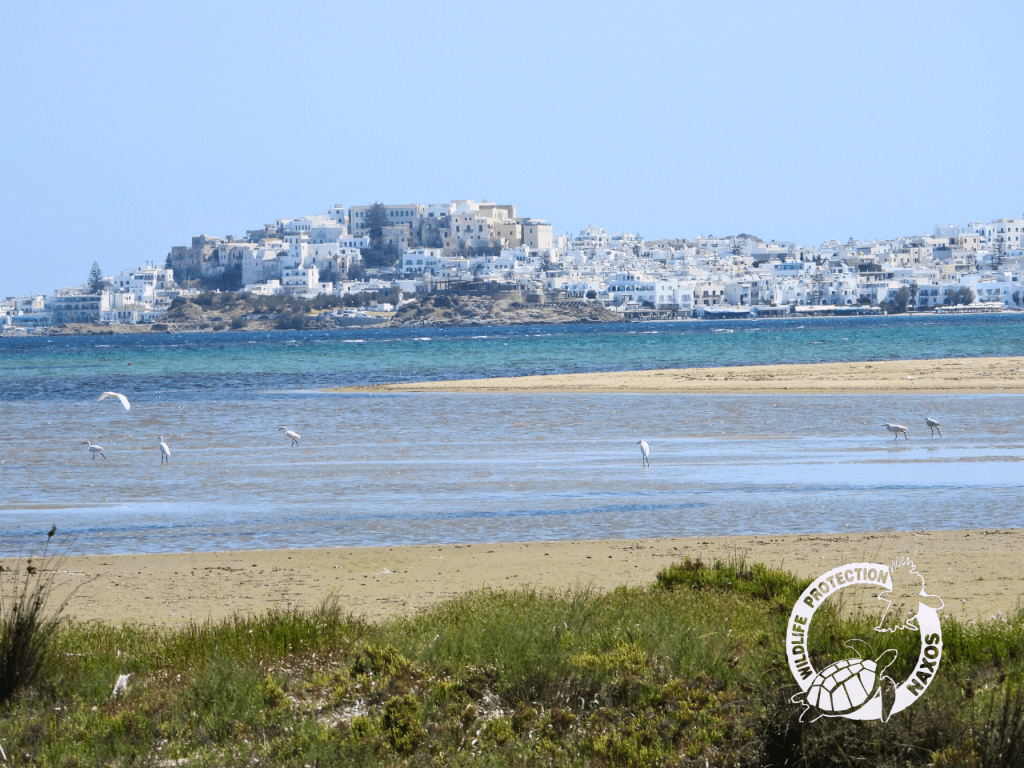
Herons such as Gray Herons (Ardea cinerea) and Little Egrets (Ergetta garzetta) and ducks such as Mallards (Anas platyrhynchos) and Ruddy Shelducks (Tadorna ferruginea) are usually among the first visitors of the Lagoon.
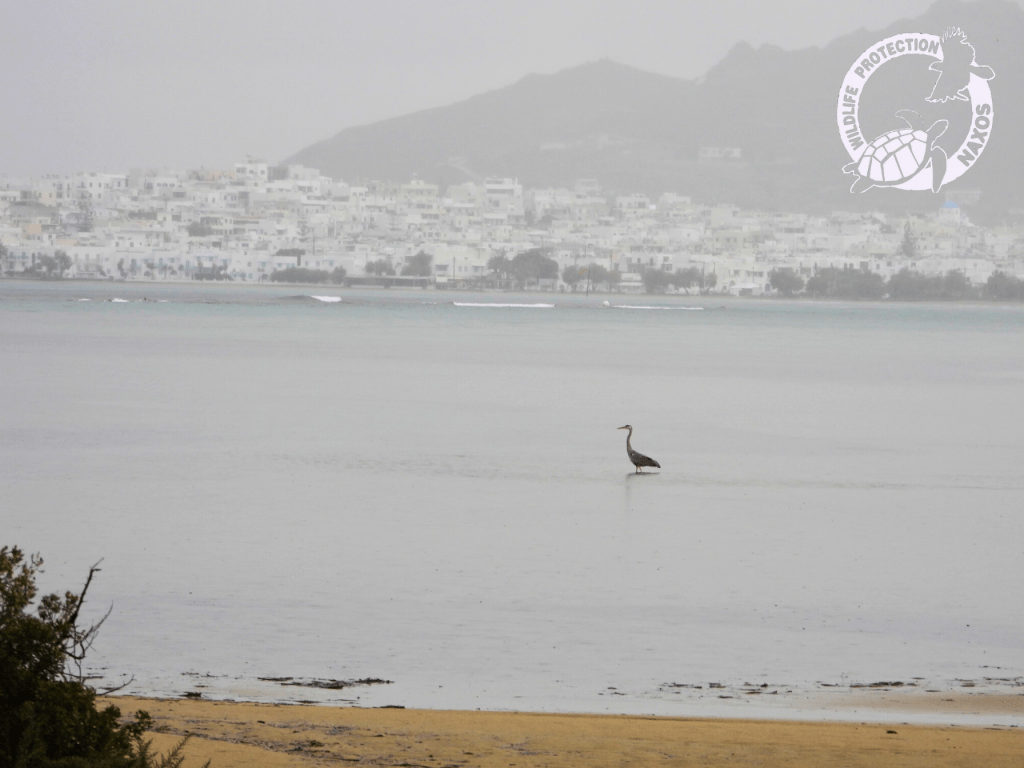
Wetlands formed by conditions of water flow and overflow (due to rains, tides, etc.) have the ability to recycle nutrients from neighboring soils and with the combination of solar radiation and shallow waters, intense primary productivity occurs from autotrophic organisms, microalgae, algae and flora of the area.
This increase in autotrophic organisms in turn causes an increase in zooplankton organisms on which birds and fish feed.
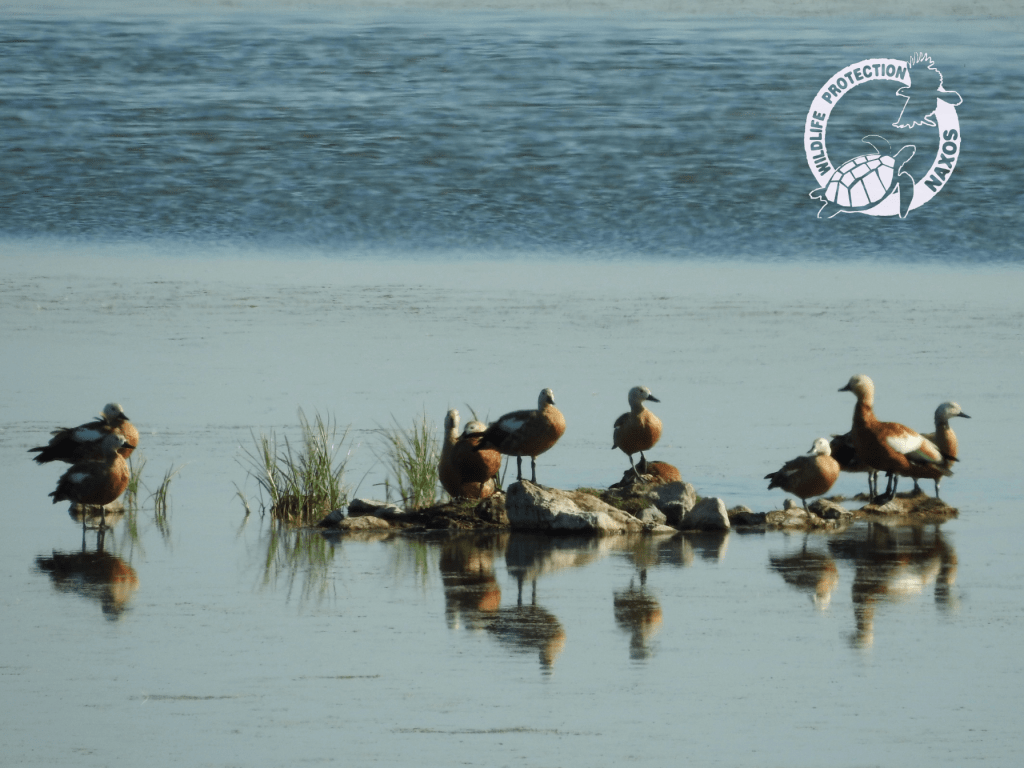
The Ruddy Shelduck is a wild duck of the Anatidae family (geese, ducks, swans), in Greece it has been classified as Vulnerable and is a protected species, the hunting of which is prohibited.
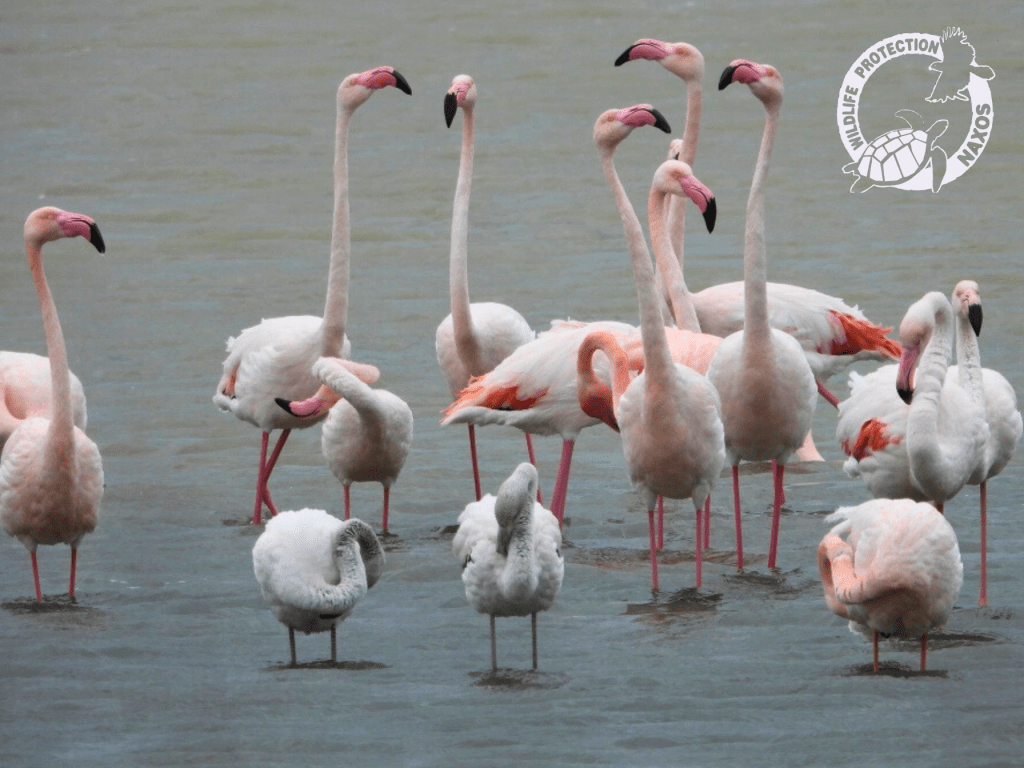
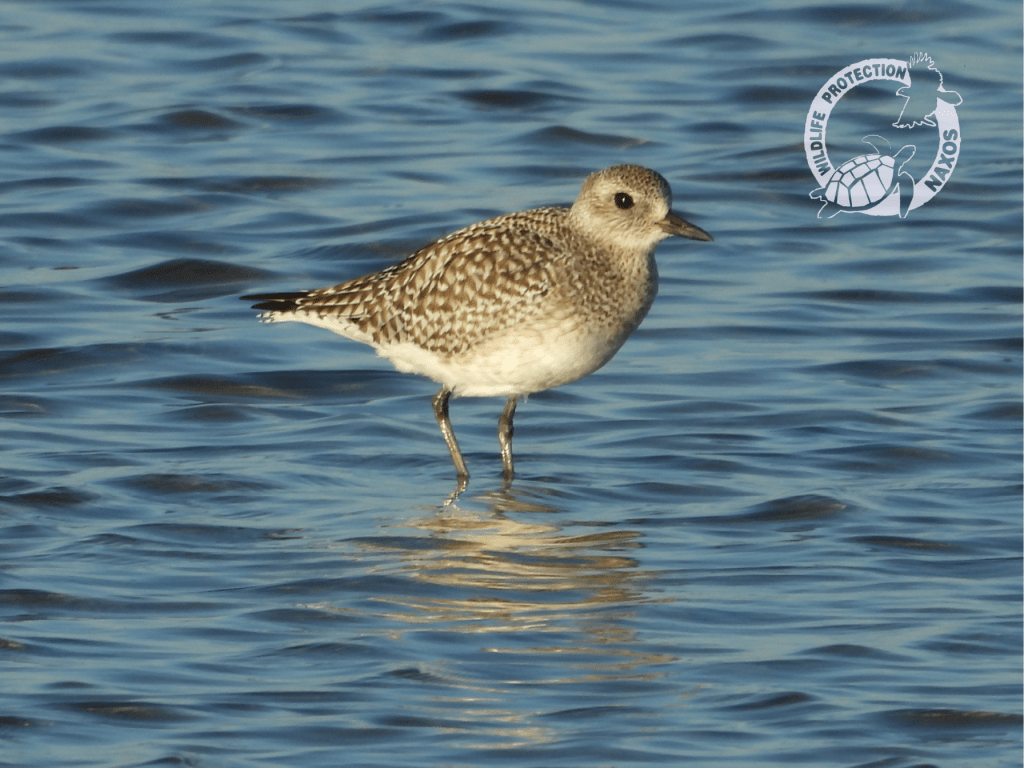
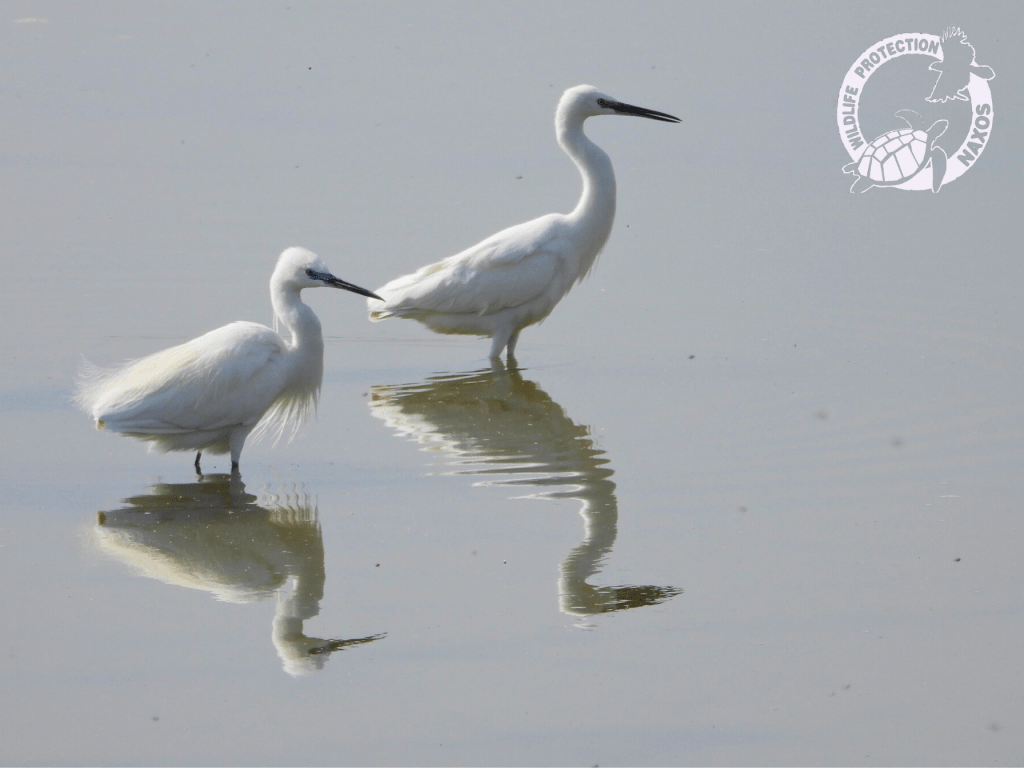
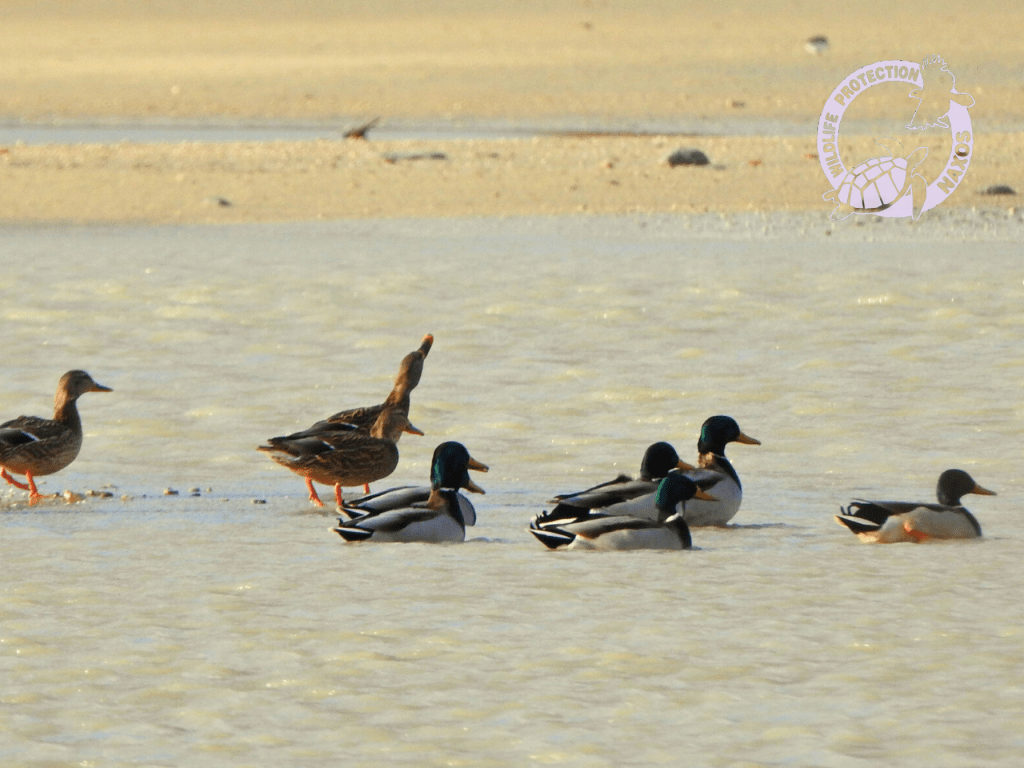
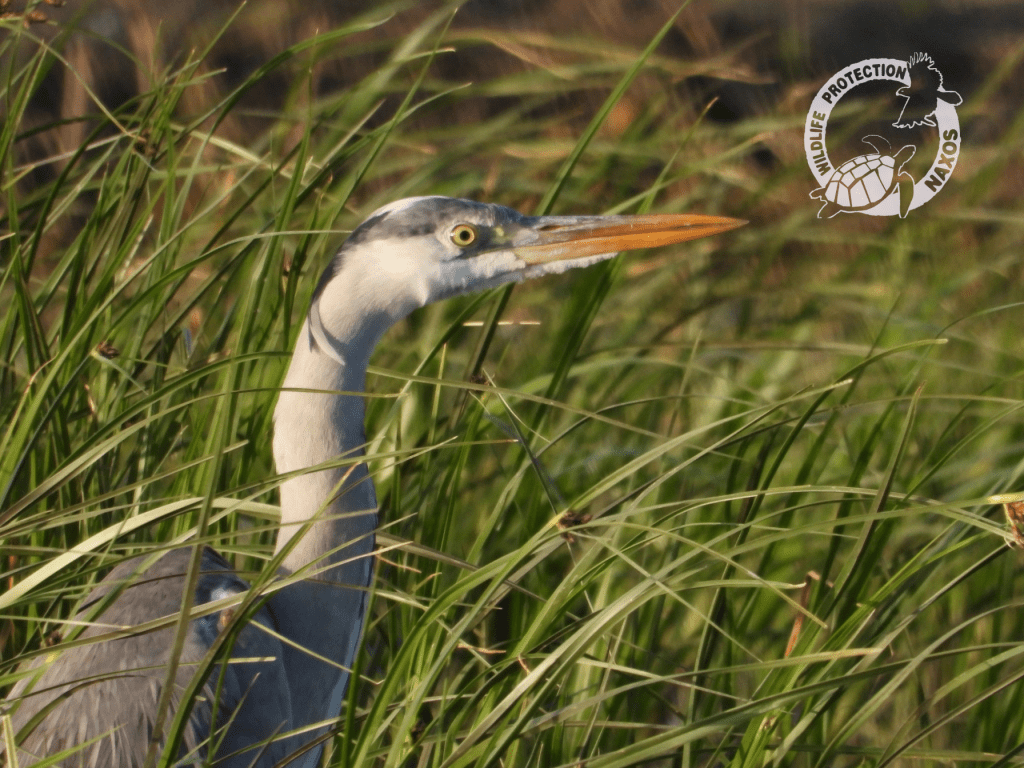
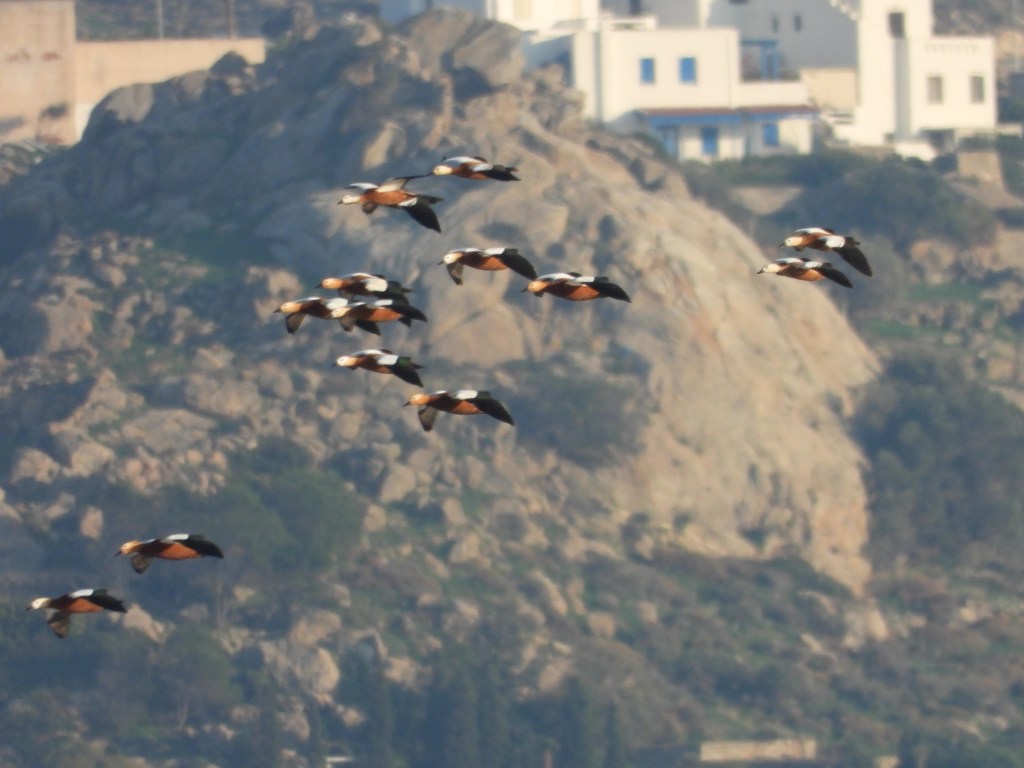
A few years ago, it was rare to see Ruddy Shelducks in the Lagoon, however as of 2018 more than 35 pairs have been recorded each year. In 2024, more than 40 pairs.
Ruddy Shelducks usually live in pairs and overwinter and breed in the Lagoon, building their nests in low vegetation mainly of glasswort bushes (Salicornia europaea) and in swamps in the northern part of the Lagoon. When they have finished raising their young, usually by summer, the Ruddy Shelducks migrate off the island. We have observed young Ruddy Shelducks born in the Lagoon remain until August.
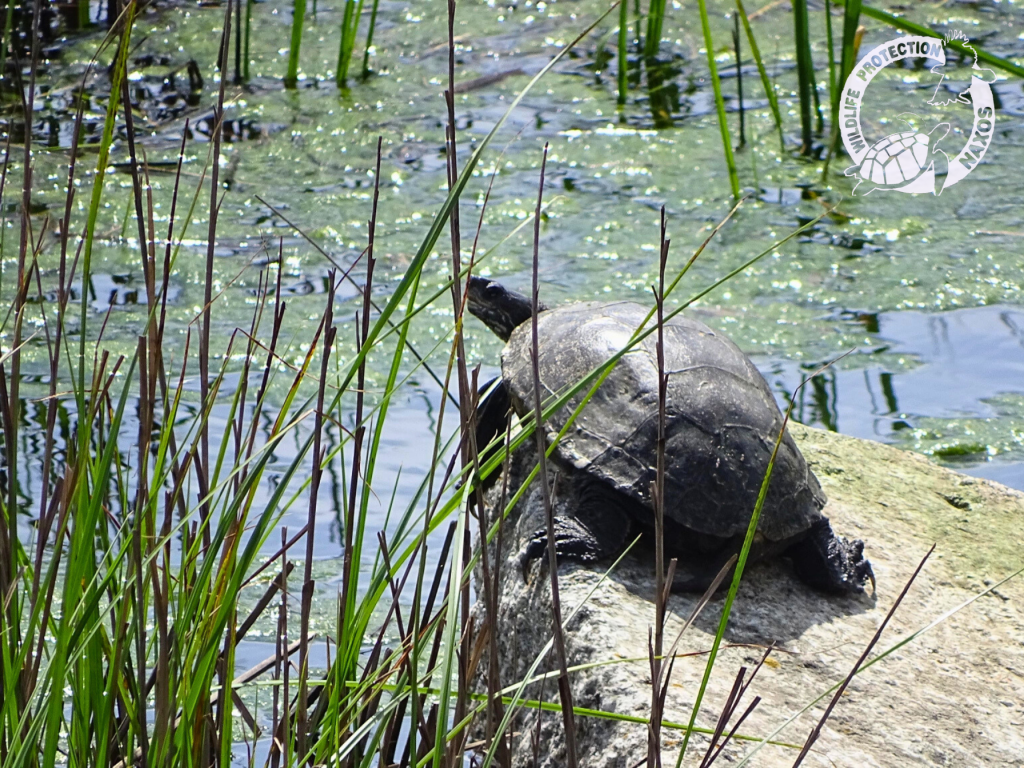
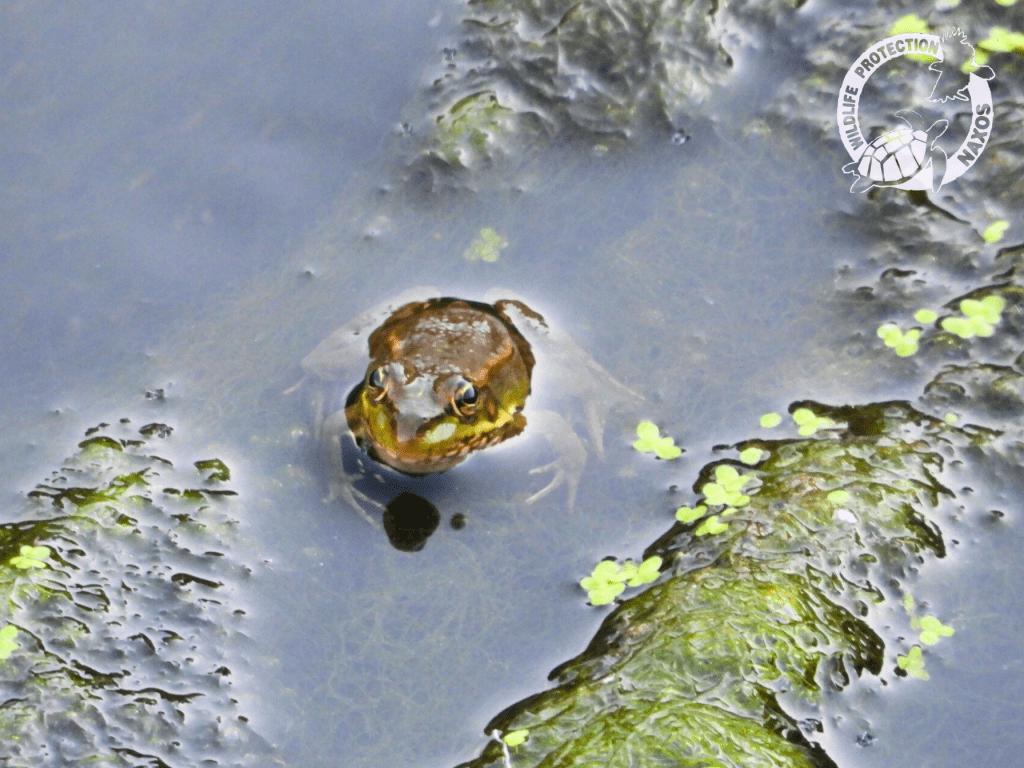
With the rains and the increase of fresh water in the area, amphibians also make their appearance, such as European Green Toads (Bufotes viridis) that sing at night, during the day near wells and streams, Balkan Pond Turtles (Mauremys rivulata) bask in the sun and in the streams Balkan Frogs (Pelophylax kurtmuelleri) have been observed.
The winter
From December to January, the temperatures have dropped noticeably and with this change, more and more species of wild birds arrive in the Lagoon. Flocks of hundreds of Garganeys (Spatula querquedula), Eurasian Teals (Anas crecca), Eurasian Wigeons (Anas penelope) and Northern Shovelers (Anas clypeata) find refuge in the wetland which is now rich in food, finding spots in the lake where they can hide from human presence, to feed and rest undisturbed. Unfortunately, due to hunting, these species are sensitive from human disturbance.
Other species that can be seen during the winter in the Lagoon are the Pintails (Anas acuta), Common Shelducks (Tadorna tadorna), European Golden Plovers (Pluvialis apricaria) and, more rarely, Swans (Cugnus olor) and Cranes (Grus grus).
A constant sighting of Flamingos happens every autumn and winter in the Lagoon. Usually it’s young individuals in winter, however swarms of several individuals have also been observed. Some remain until spring.
During the intense weather conditions of winter, it is possible that some individuals of wild migratory birds make a one-day or few-days stop in the Lagoon in order to rest from their long, demanding journey, such as Storks (Ciconia ciconia), Great White Pelicans (Pelecanus onocrotalus) , Northern Lapwings (Vanellus vanellus), Oystercatchers (Haematopus ostralegus), Eurasian Spoonbills (Platalea leucorodia) and Pied Avocets (Recurvirostra avosetta).
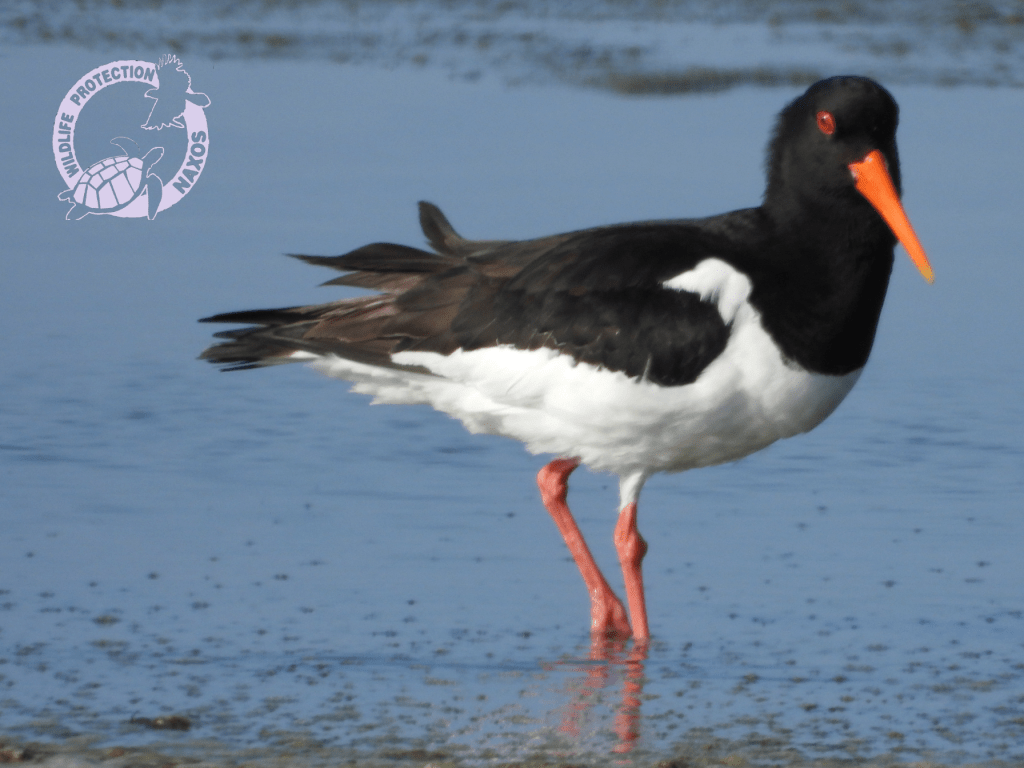
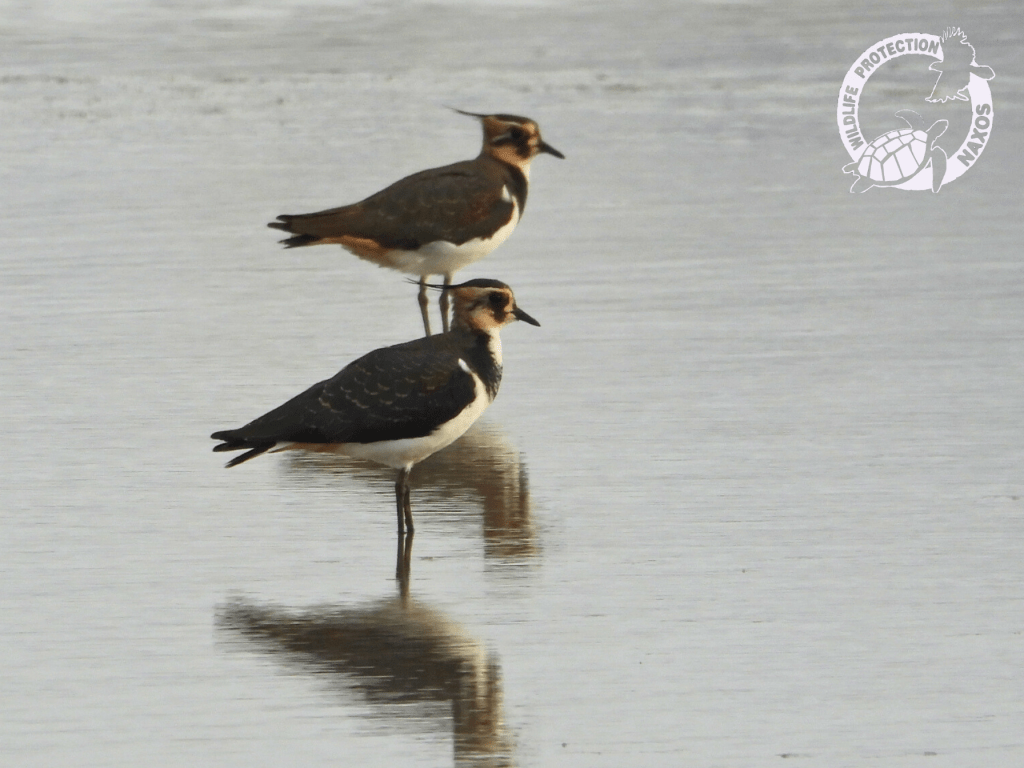
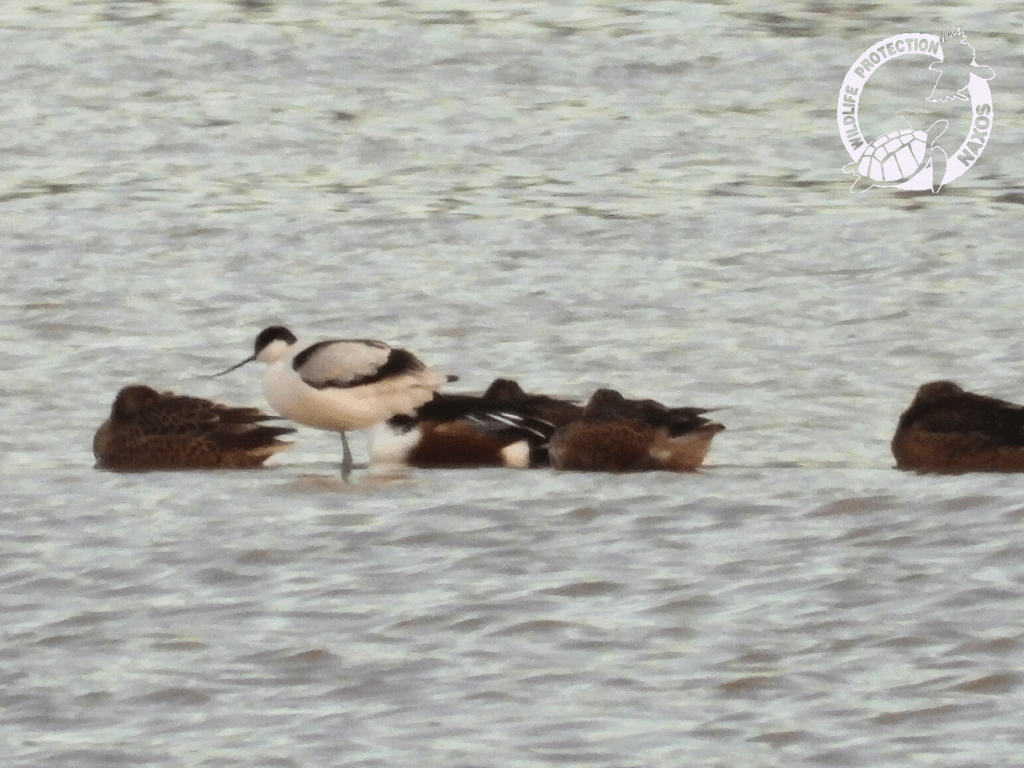
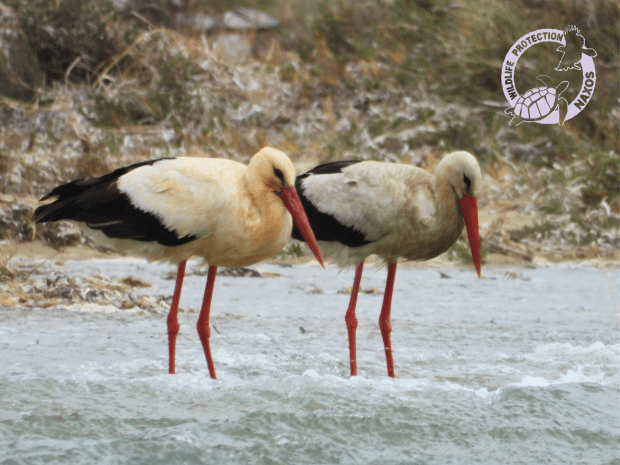
Due to the absence of large predatory mammals on the island, the wild avian fauna is at the upper levels of the food chain. Individuals are fewer compared to lower-level organisms (such as fish, molluscs, etc.), therefore they “control” their populations, and due to the phenomenon of bioaccumulation of toxic substances, they have a greater chance of being fatally poisoned. Thus, the biodiversity of bird species in an island-wetland is an indicator of the state of health of this ecosystem.

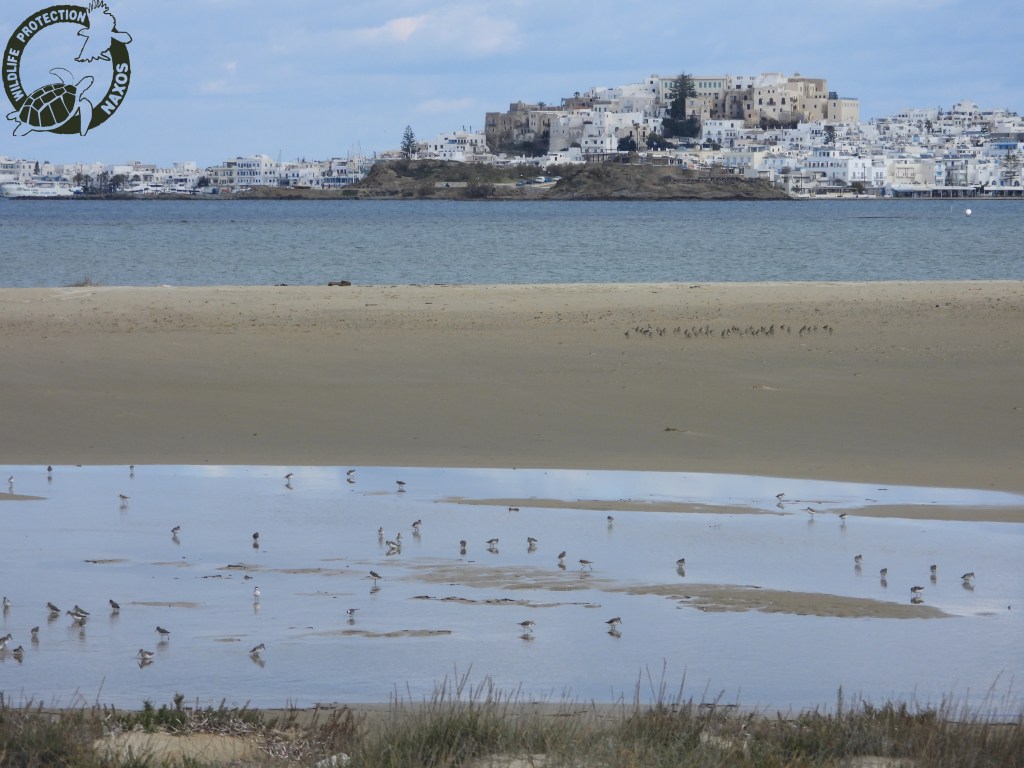
Usually in winter, stormy sea phenomena are observed, i.e. winds of intensity greater than 9 Beaufort, which cause the coastline to overflow. Along the entire length of Laguna Beach, invertebrate benthic organisms appear or are activated, on which many species of waders and seabirds feed.
When the waves have reached the height of the dunes, one can observe Ruffs (Calidris pugnax), Golden Plovers, as well as Dunlins (Calidris alpina), Black-tailed Godwits (Limosa limosa) and Wood Sandpipers (Tringa glareola) rummaging through the sand for snacks.
Arrival of spring
As the hours of sunshine increase and the temperatures rise, first the flora of Naxos wakes up and an explosion of species biodiversity occurs in the Lagoon.
Usually during this season, the lake is overflowing with brackish water, rich in nutrients that the rain has washed down from the mountains of the island, and there is a bloom of autotrophic phytoplankton.
Flowers paint the farmlands and meadows around the Lagoon with color and the tamarisks, the most common trees in the area, turn a pale pink color from their tiny flowers. Insects of all kinds appear, attracting many small birds.
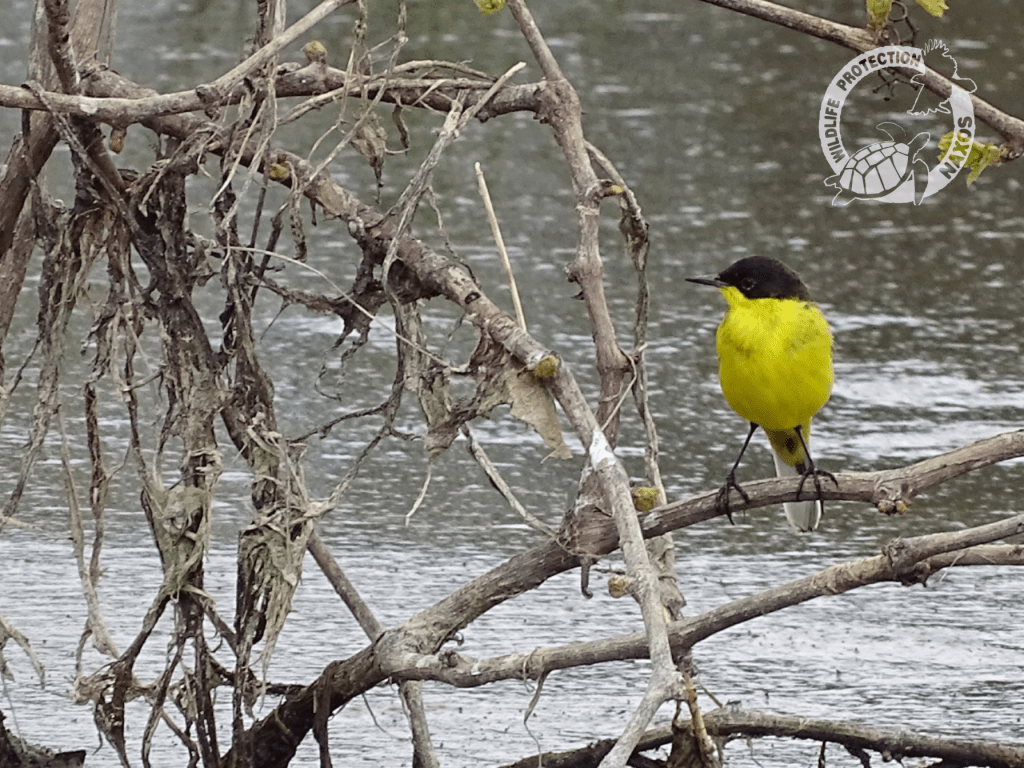
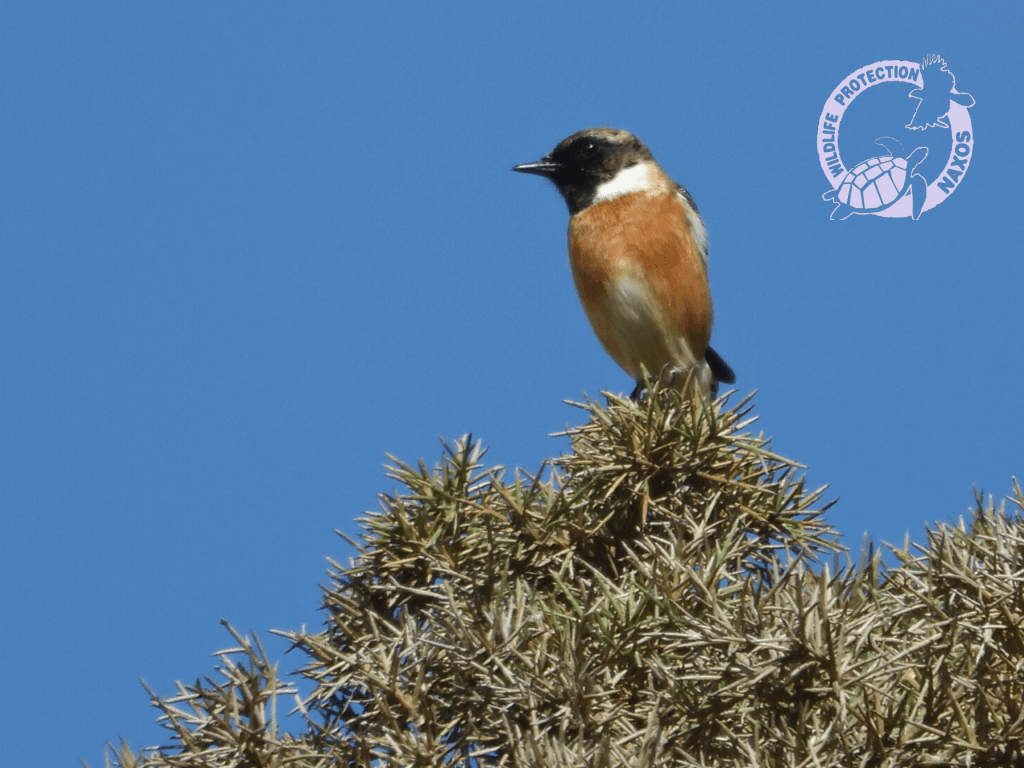
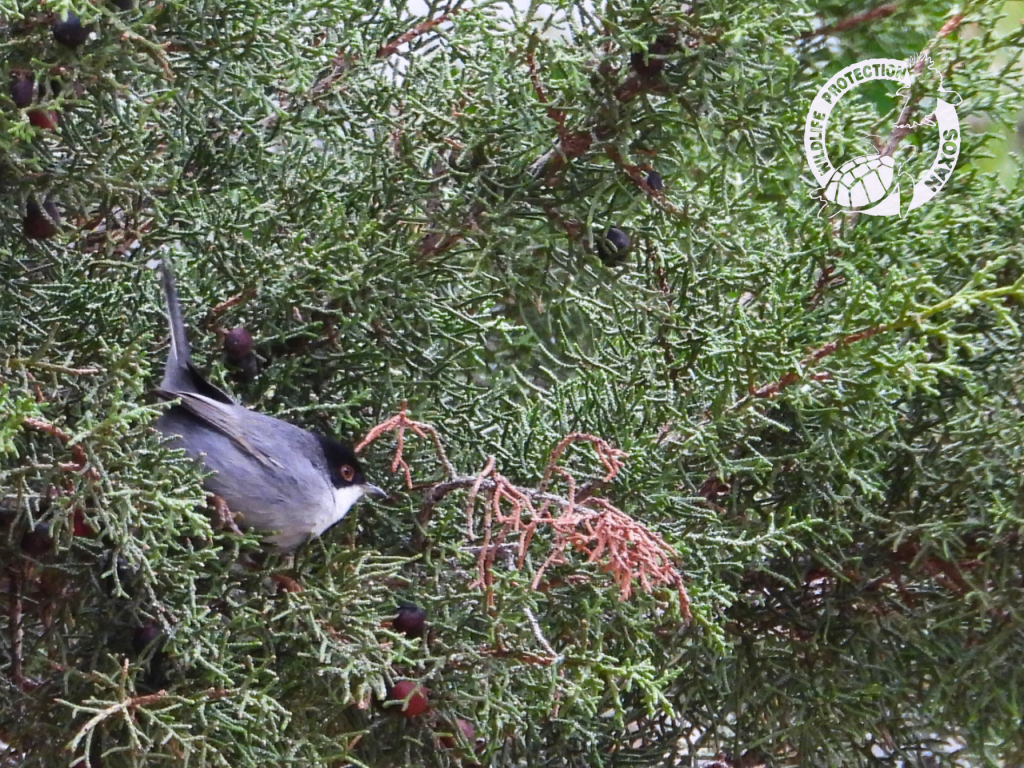
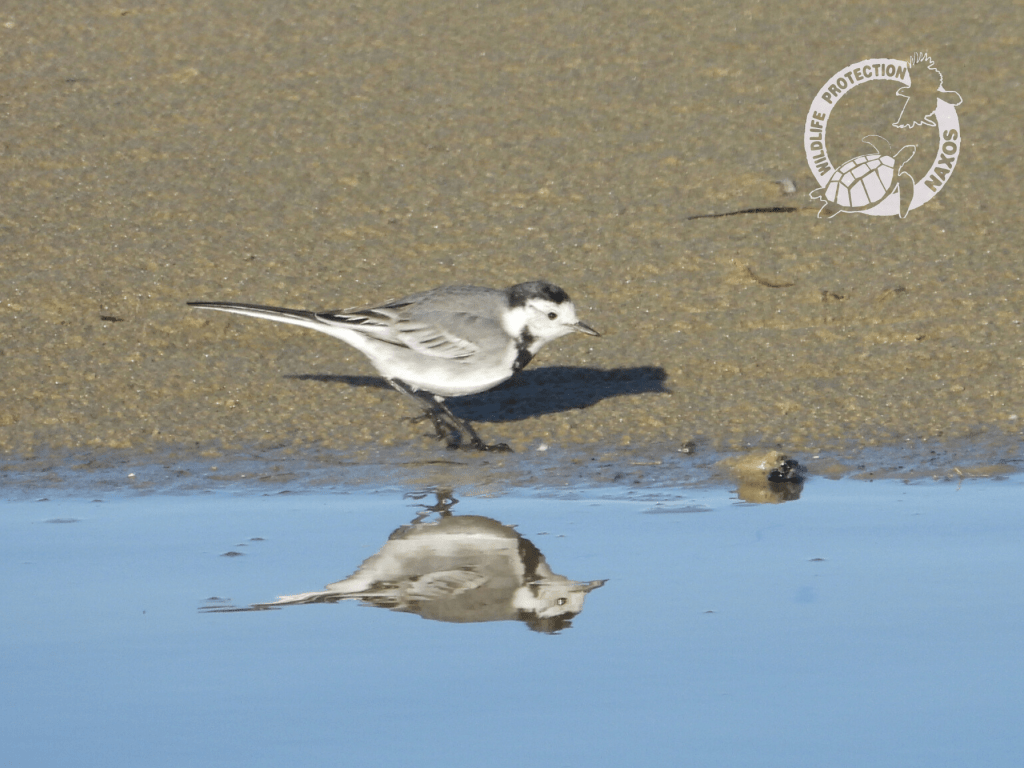
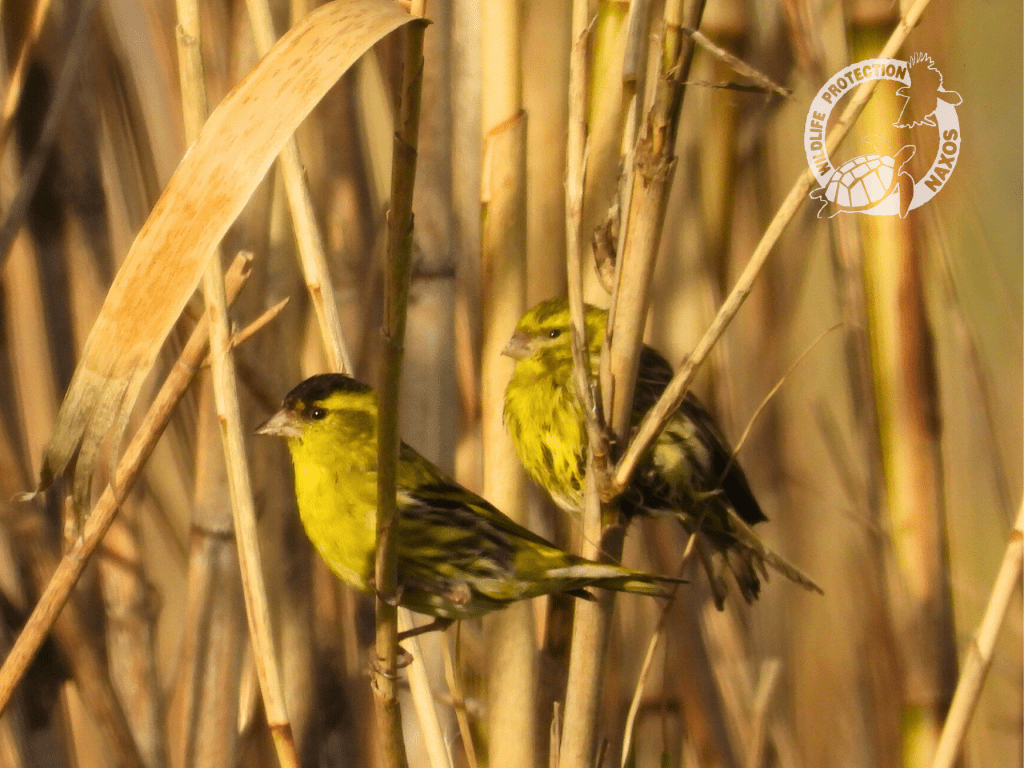
A connoisseur of bird songs will be able to recognize all kinds of songbirds, such as Goldfinches (Carduelis carduelis), Chaffinches (Fringillia coelebs), Eurasian Siskins (Carduelis spinus), Linets (Linaria cannabina), Meadow Pipits (Anthus pratensis), Sardinian Warblers ( Sylvia melanocephala) and African Stonechats (Saxicola torquata). The boldest Yellow Wagtails (Motacilla flava) and White Wagtails (Motacilla alba) walk close to the sea and even on the road digging for insects, and above them the Barn Swallows (Hirundo rustica) fly non-stop showing off their incredible pirouettes.

In mid-March, consistently, every year a flock of Glossy Ibises (Plegadis falcinellus) arrives in the Lagoon, a beautiful iridescent bird that comes to the shallow marshes to feed on worms, small amphibians and crustaceans. Like many other migratory birds, Glossy Ibises make a steady, scheduled journey each year, which journey depends on weather conditions. They rely on a chain of wetland-stations along their migration route which can consist of thousands of kilometers of flight, a distance stretching from Africa to northern Europe. The slightest disruption of this chain of stations has serious consequences for the life cycle, behavior and health of the birds.
Especially during this migration period, Naxos Wildlife Protection Association receives many malnourished and exhausted wild birds that, for many reasons, could not withstand their long journey.

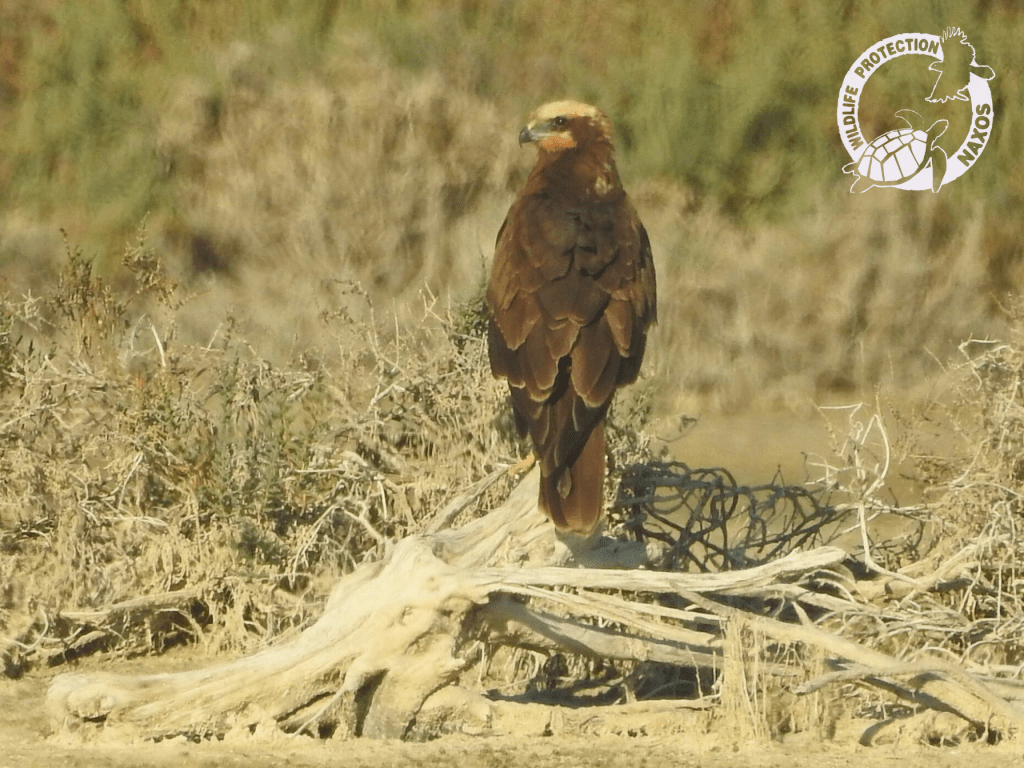
Along with the insectivorous wild birds, migratory raptors arrive, such as the Western Marsh-Harrier (Circus aeruginosus), the Montagu’s Harrier (Circus pygargus) and the Short-eared Owl (Asio flammeus), which feed on small reptiles, small mammals, amphibians and sometimes small birds.
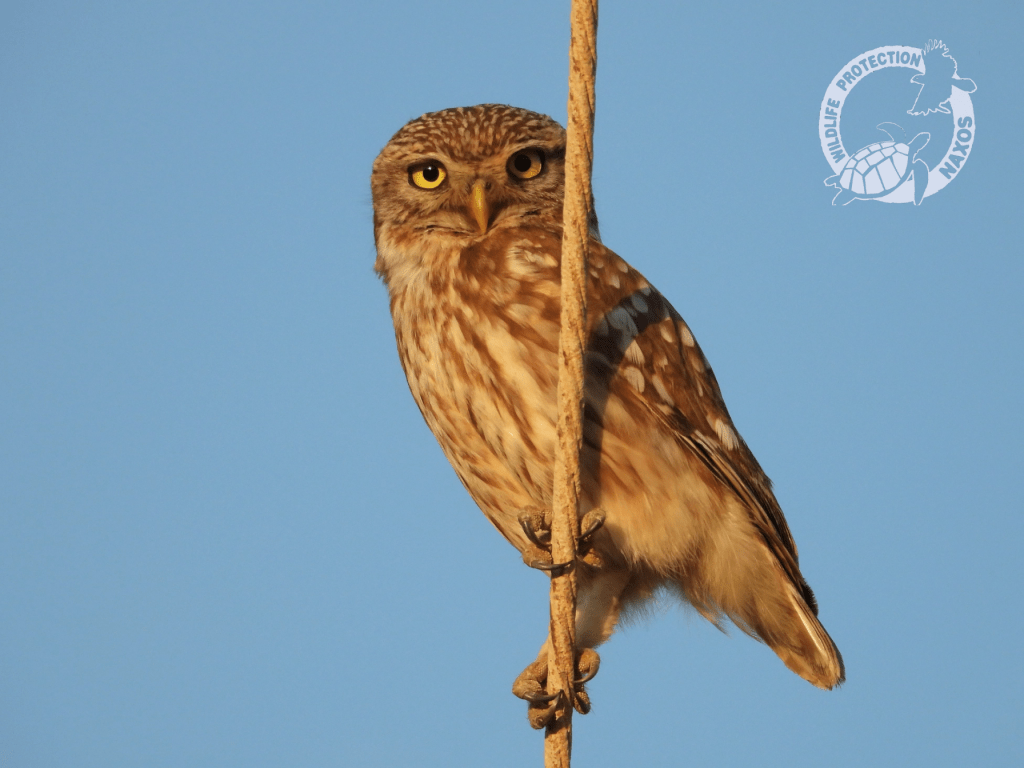
In the Lagoon also resides the Beech Marten (Martes foina), a nocturnal predatory mammal, as well as birds of prey that live permanently on the island such as Buzzards (Buteo buteo), Barn Owls (Tyto alba) and Little Owls (Athene noctua).
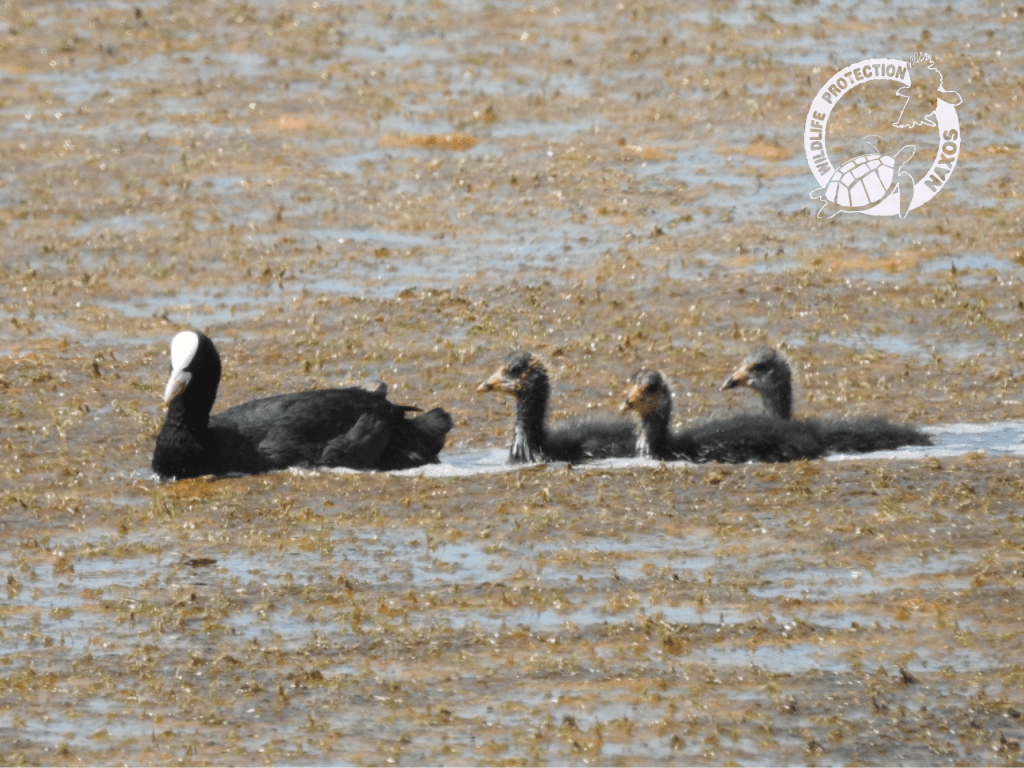
Spring is the breeding season for most animals. The Lagoon is filled with the whistles and calls of Mallards, Ruddy Shelducks, Eurasian Coots (Fulica atra), Black-Winged Stilts (Himantopus himantopus), Kentish Plovers and Crested Larks that are breeding and building their nests.
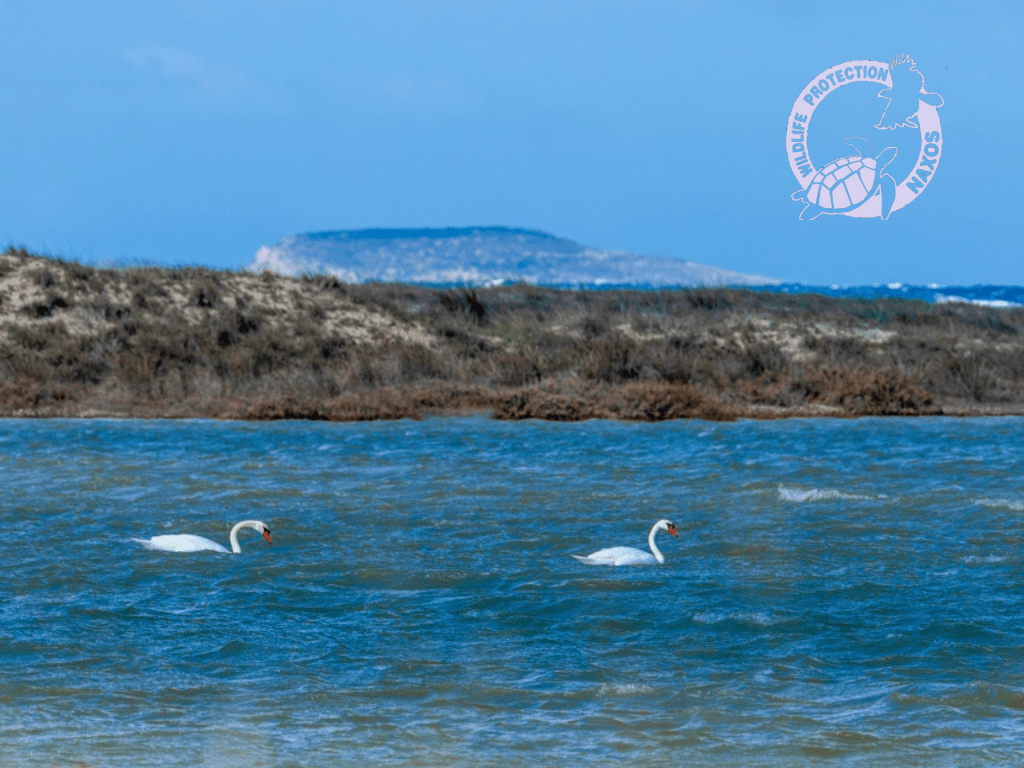
In the spring of 2022, breeding and nesting of Muted Swans was observed.
Fish, such as juvenile Flathead Gray Mullets (Mugil cephalus) spend this period in the Lagoon and take advantage of the increased salinity and shallow waters where larger predatory fish cannot hunt them. However, near the estuaries, in the narrow passages, all kinds of herons lurk, hunting these small fish.
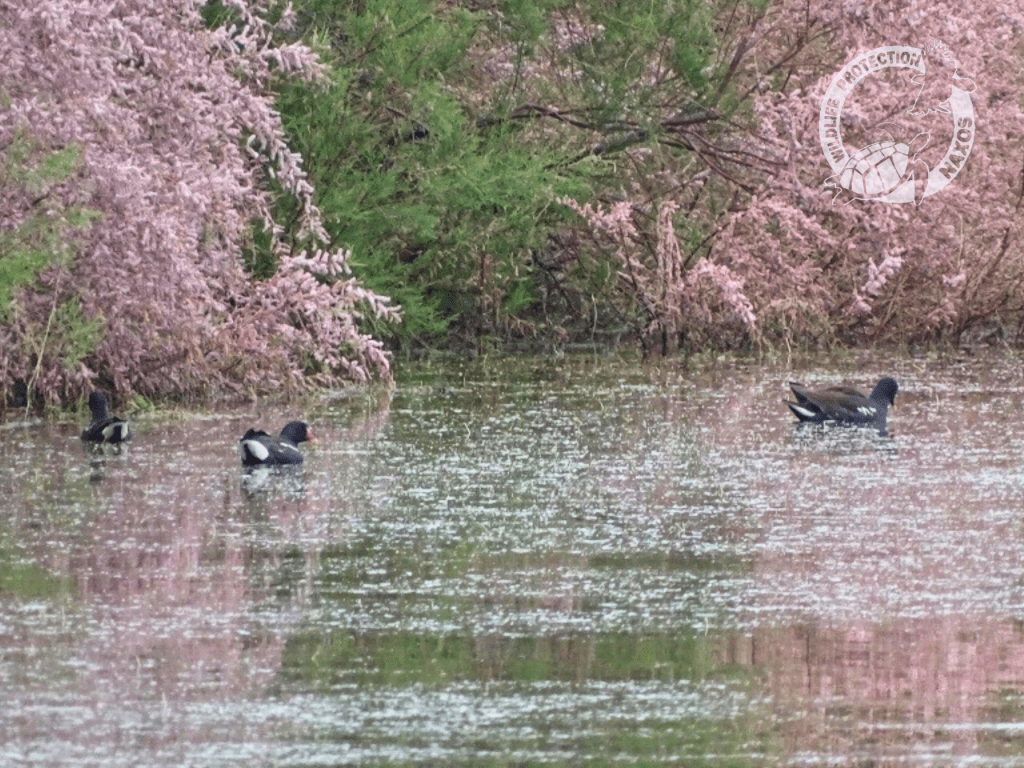
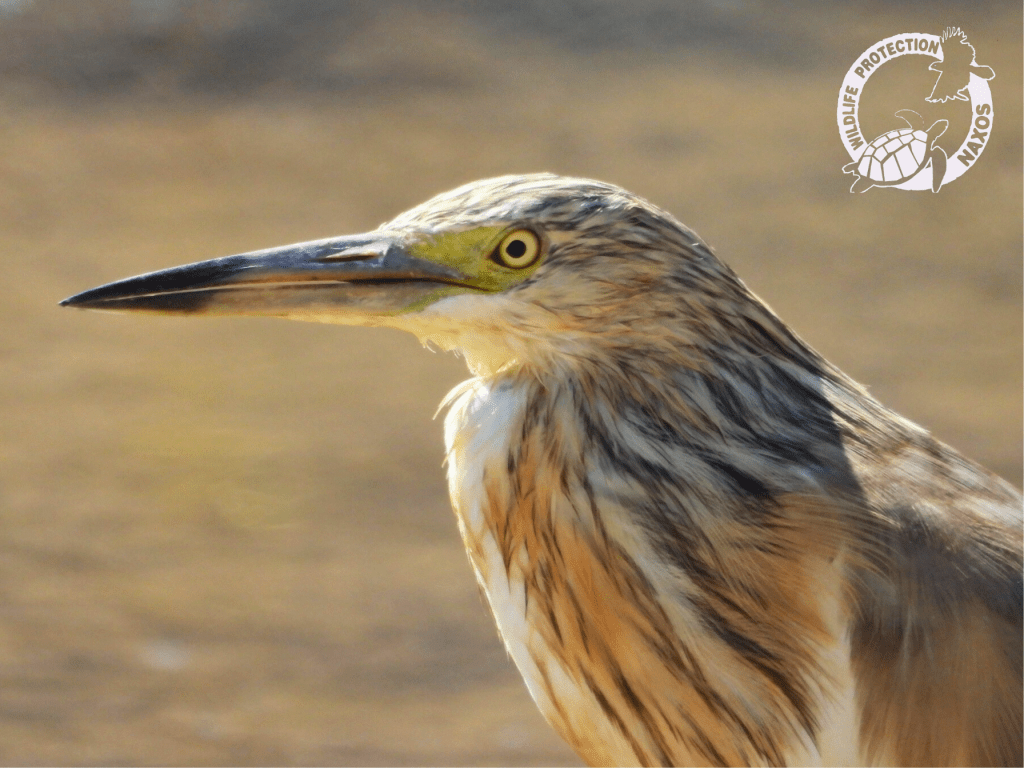
The shyest birds hide among the Spiny Rushes (Juncus acutus) and tamarisks, looking for food in the shallow waters camouflaged, like the Little Bittern (Ixobrychus minutus) and the Moorhen (Gallinula chloropus).
The dry season
In the years when the winters showed an increased amount of rainfall, the Lagoon remained partially covered with water until the beginning of August. Usually by August, the majority of migratory birds have left due to the increased temperatures and the decrease in available food and water. The last ones to stay are usually the Ruddy Shelducks and the Black-winged Stilts.
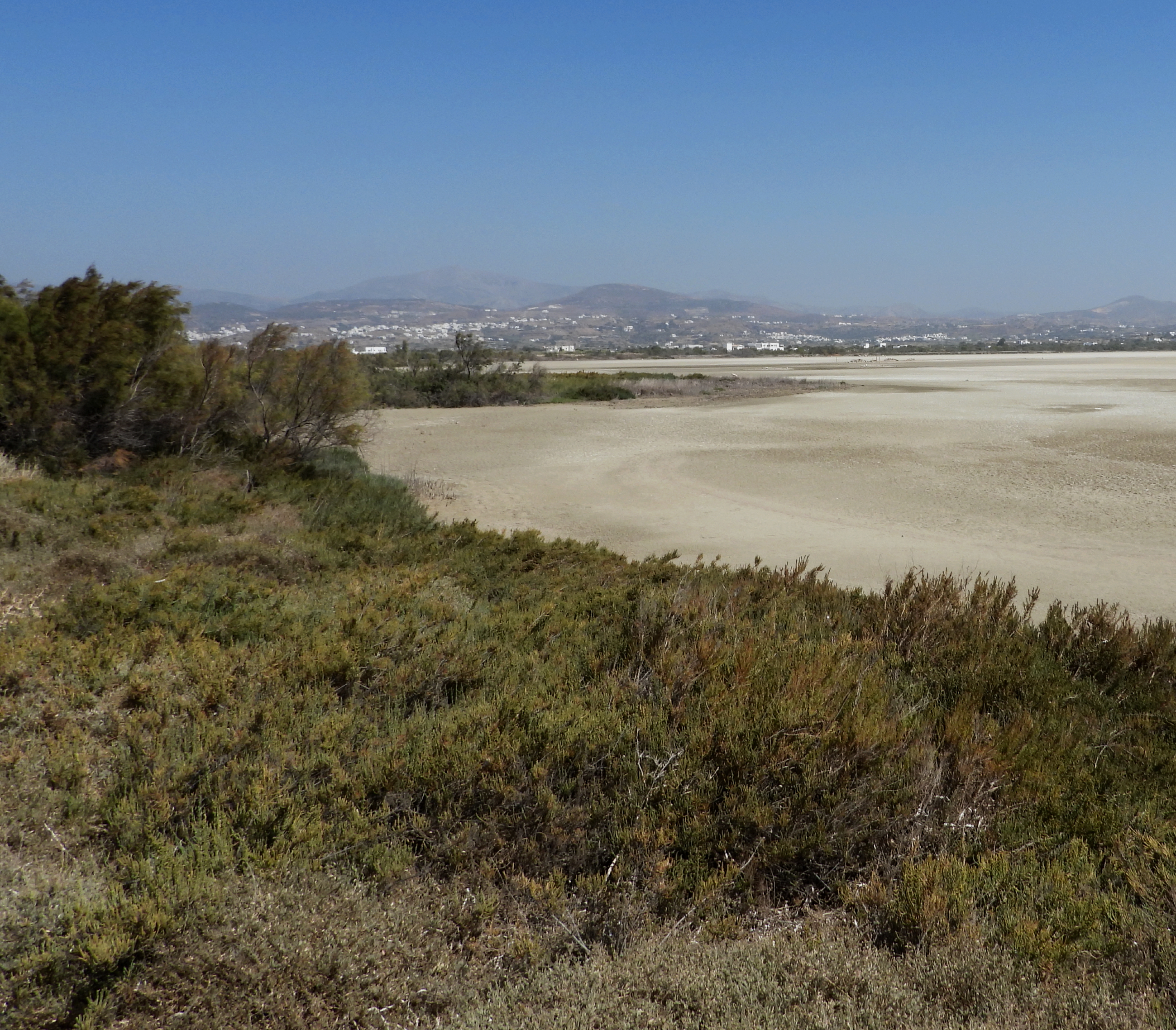
With the increase in temperature, the absence of rainfall and inflow of water from streams, as well as the strong northerly winds (meltemia), increases the evaporation of the water in the Lagoon. First the southern lake and the smaller wetlands around the airport dry up, and then the large lake with its deepest point found in the southwest.
Juvenile Ruddy Shelducks and Herring Gulls rest in the little remaining water where they feed on benthic organisms.
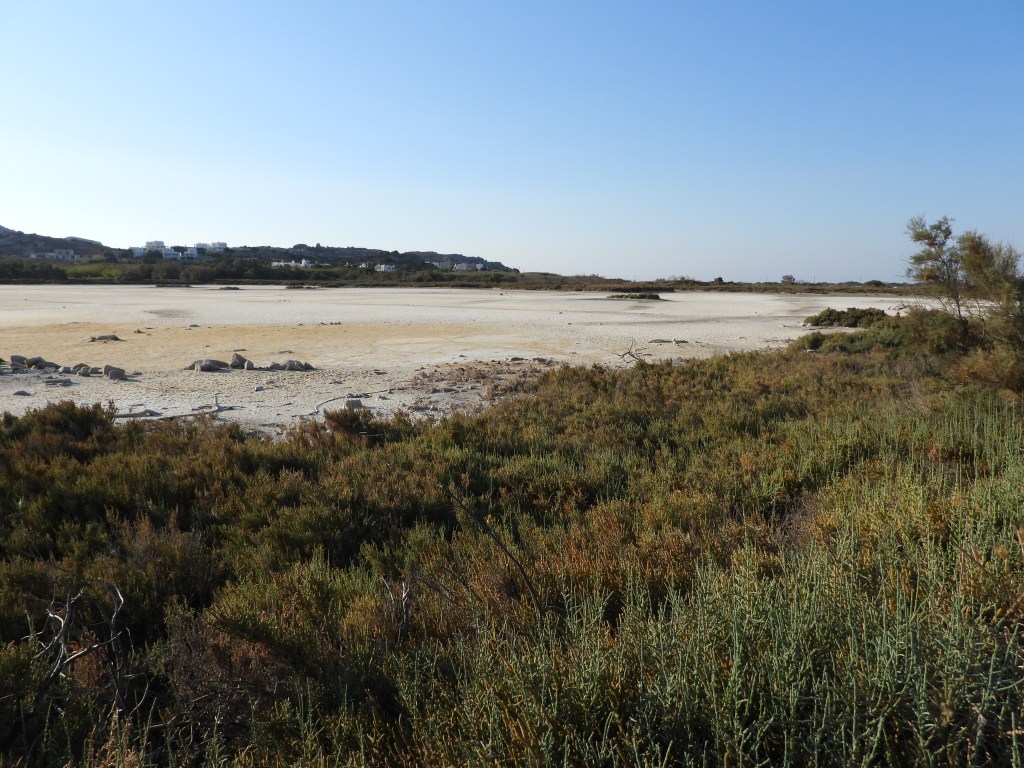
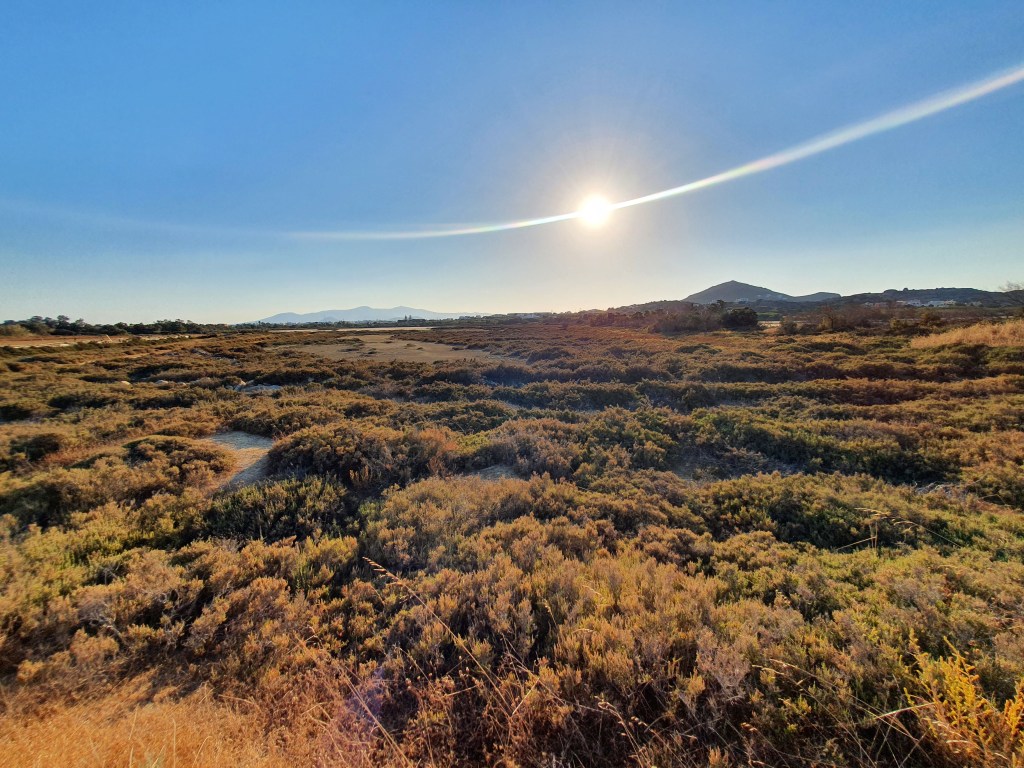
Reptiles that have been observed in Wildlife Refuge of the Lagoon include the Roughtail Rock Agama or little crocodiles (Stellagama stellio), Erhard’s Wall Lizards (Podarcis erhardii), Sand Boa (Eryx jaculus) and Nose-horned Vipers (Vipera ammodytes meridionalis).
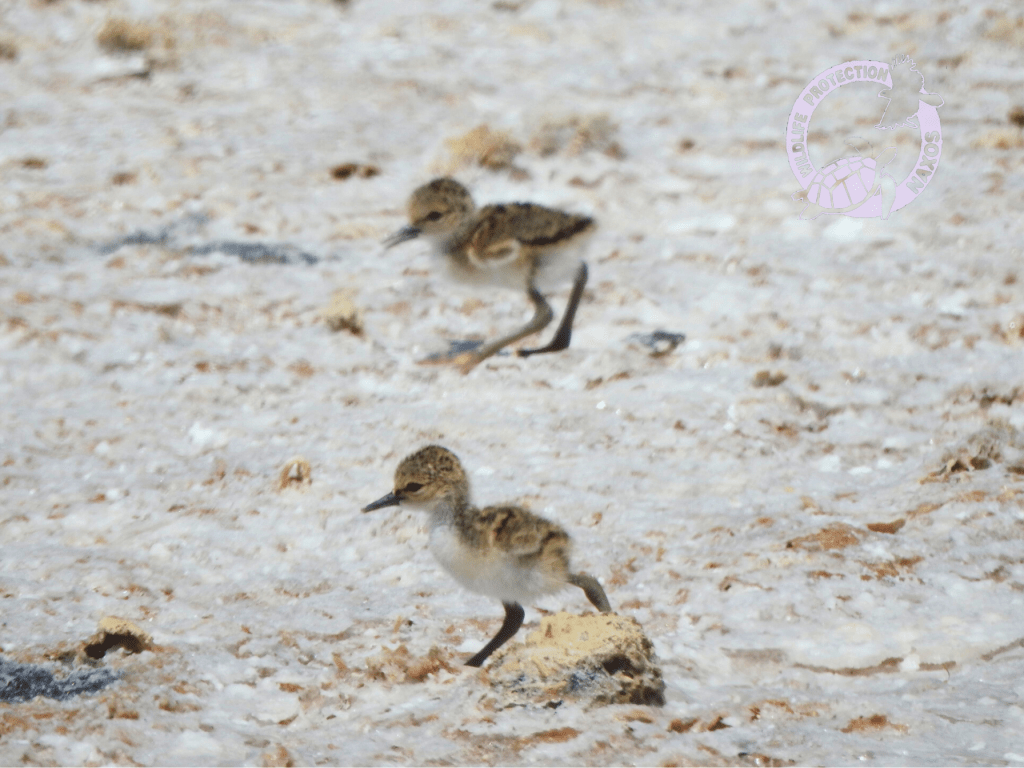


Although the Lagoon appears now dry and dead to the human eye, in the microscopic world it is still teeming with life.
Some microalgae thrive in the little high-salinity water that is left, while the soil, which is a mixture of silt and clay rich in organic matter, is the ideal environment for bacteria, diatoms and other meio- and microfauna (tiny, invertebrate benthic animals). Amphibians and beetles inhabit the surface of the mud feeding on organic matter and polychaetes and mussels build tunnels in the sediment to provide oxygen to the now anaerobic benthic ecosystem. The water has now filled the spaces between the sediment molecules where oxygen can diffuse, which is why if we dig down just a few centimeters the soil is black in color.
The tiny shrimp Artemia salina takes advantage of these extreme conditions that few organisms can withstand, and once the rains begin in autumn and the salinity of the environment decreases, it releases cysts of its young which hatch again in the summer.
A look at a small volume of sediment from the Lagoon reveals a rich world of organisms that remain alive and active and are valuable food for the birds that still tolerate the high temperatures of Naxos.
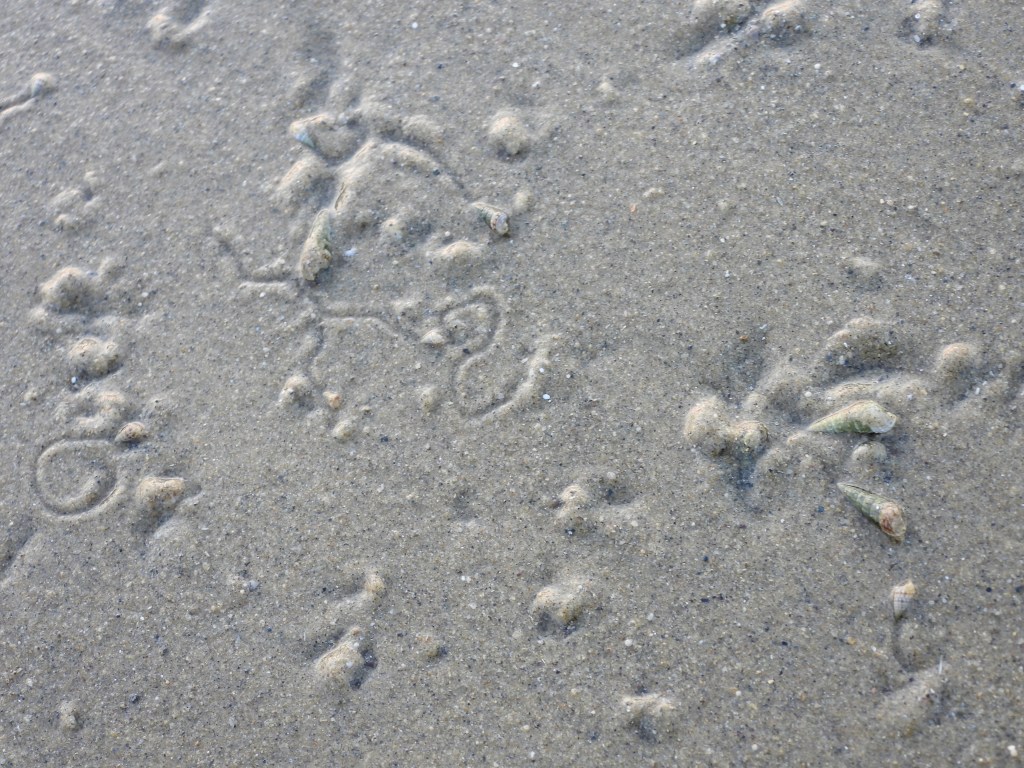
On the northern side of the wetland, on Laguna beach, the benthic world does not change much over time, as the coastal zone is alternately covered by the sea and exposed to the air. Small fish live in the shallow, warm waters, and species of bivalves, isopods, amphipods, polychaetes, and echinoderms inhabit and feed on or in the sediment.
Research in the lagoon of Messolonghi has shown that the presence of bivalves in the sediment causes a phenomenon called biodisturbance, i.e. through the tunnels they build and their processes they cause an increase in the oxygen content of the sediment around them and, therefore, stimulate the metabolism of the bacteria that live there, which bacteria utilize the nutrients of the overlying water. The bacteria in turn utilize the ammonia either directly or convert it into nitrate ions (nitrification).
Besides the animals of the Lagoon, there are many plants that tolerate or thrive in the salty/saline soils of the wetland, the so-called halophytes. Different species are observed as we move away from the sea.
In particular, in the coastal zone in the sand dunes of the Lagoon, you can find the marram grass (Ammophila arenaria), the sea daffodil (Pancratium maritimum) which blooms in the summer, bushy junipers, tamarisks.
As we approach the Lagoon where there is less influence of northerly winds and less salty water, we meet the vitex (Vitex agnus-castus), palo verde (Parkinsonia aculeata) which also blooms in the summer, blackberries (Rubus fruticosis), Mediterranean Saltbushes (Atriplex halimus), glassworts , more tamarisks, oleanders (Nerium oleander) and endless stands of the extremely hardy common reeds (Phragmites australis), which are used as a windbreak and natural borders of arable land.
Especially during the summer months, tamarisk trees are the only protection from the blazing sun for the wildlife of the Lagoon.
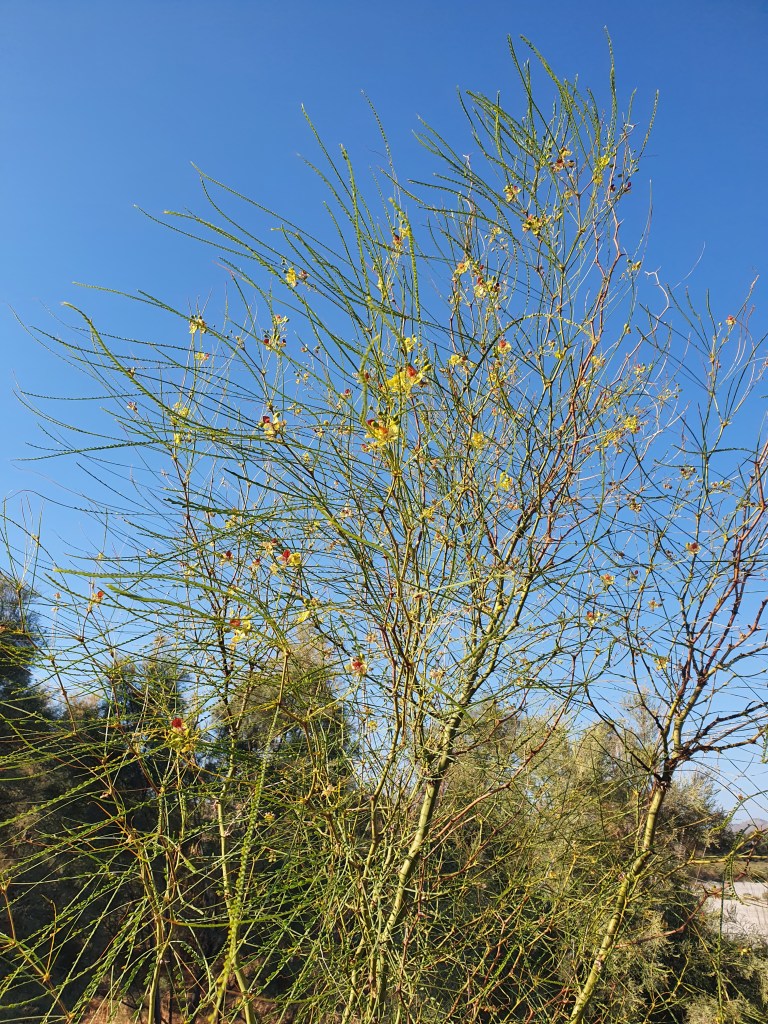
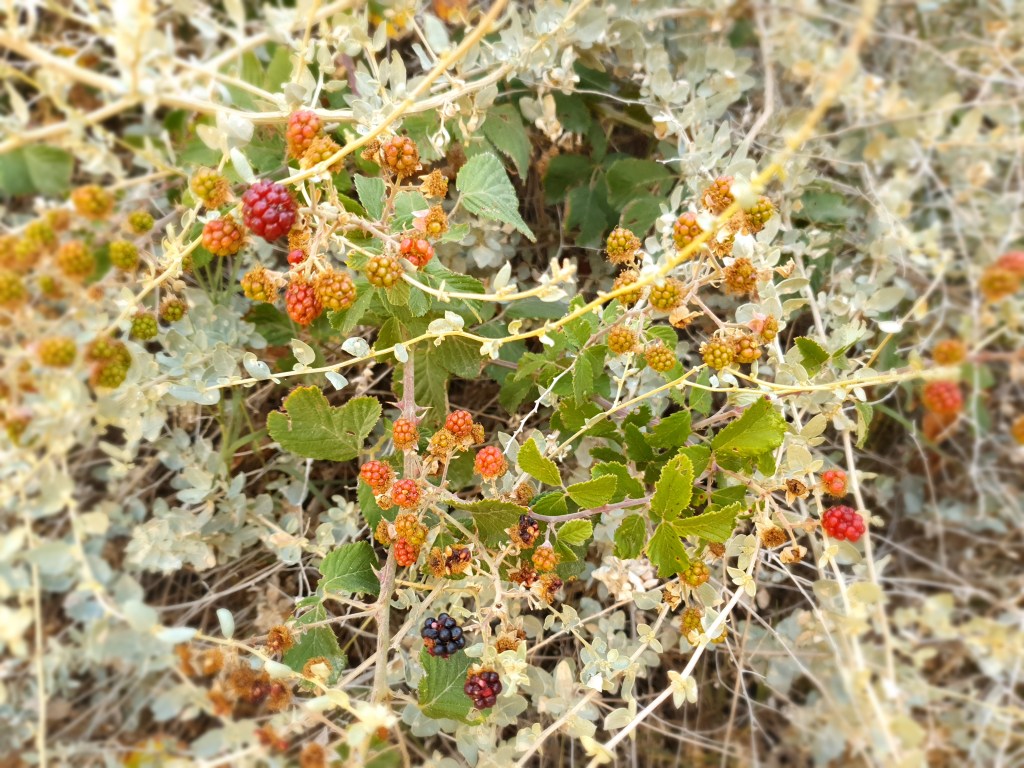
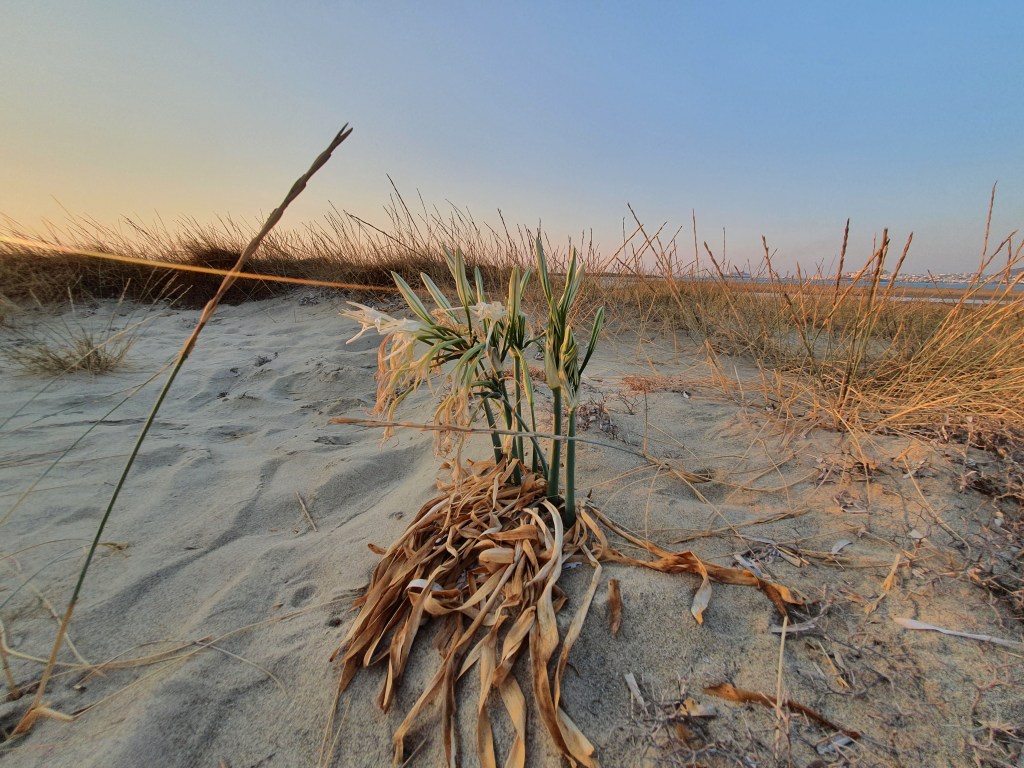
The human factor and the threats in the Lagoon
According to all of the data above, it is logical that such a wetland becomes a resource for the exploitation of the inhabitants and visitors of the island for many reasons. In the past it was used for fish farming and parts of the Lagoon were landfilled to be used as arable land. There was rampant dumping of waste and sewage, but also the presence of wild avian fauna had turned this oasis into a shooting range and a popular hunting ground for waterfowl.
Naxos Wildlife Protection Association has recorded many illegalities over the years in the wetland and the Wildlife Refuge, and has made complaints as well as raising awareness to the society regarding the importance of this wetland as a natural refuge for wild fauna and flora.
Legislation
- Establishment of the Wildlife Refuge “Aliki” (Lagoon): ΦΕΚ 652/Β/04-05-04
- Activities prohibited inside a Wildlife Refuge: ΦΕΚ 60/Α/31-3-2011 Article 5 Paragraph 4.3.
- Conservation of Biodiversity: ΦΕΚ 60/Α/31-3-2011 Article 13 Paragraph 4
- Island Wetlands: Presidential Order ΦΕΚ ΑΑΠ 229/19-06-2012
- European Directive for Wild Birds: Directive 2009/147/ΕΚ
- National Action Plan for priority habitat type code 2250 *Coastal sand dunes with Juniperus spp.: ΦΕΚ 3723/Β/12-08-2021
According to the Official Gazette 652/B/04-05-04 Number 1567, in the “Lagoon” Wildlife Refuge it is prohibited to hunt any game and any kind of wild animal, the capture of any kind of wild animal for non-research purposes, the destruction of any kind zone with plant vegetation, the destruction of living hedgerows, sand extraction, drainage and drainage of marshy areas, pollution of water resources and the inclusion of a wildlife refuge area in urban planning.
Poaching
Despite the explicit ban on hunting in the Wildlife Refuge, Naxos Wildlife Protection Association has repeatedly witnessed and reported incidents of poaching within and on the borders of the Lagoon sanctuary.
A few years ago, it was common to see hunters with guns standing on the road east of the airport, on the dirt road south of the Lagoon which is the border of the Wildlife Refuge, but also many cases of hunters hunting inside the lagoon.
The Authorities were absent. Wild birds were killed in flocks, game and non-game. There was trapping of wild songbirds using snares, nets and traps, hunting in ambush in the lagoon, hunting during the night, aiming for fun at anything that flew.
Beyond the uncontrolled and illegal hunting, the hunters themselves pollute the environment around them, with plastic cups, aluminum cans, packaging in general, cartridges and the use of lead shot.
According to the Ministerial Decision No. 37338/1807/E.103/2010 of the Φ.Ε.Κ. 1495/Β/06-09-2010 in Article 8 it is stated that the use of lead shots is prohibited in all kinds of wetland ecosystems and at a distance of 100 meters from them.
Studies conducted in various environmental conditions have shown that pellets on shooting ranges tend to fall to the ground 25-200 meters from the firing positions (with maximum concentrations at 80-150 meters) and accumulate on the ground in the first 5 cm depth. Lead is absorbed by plants and benthic organisms and, thus, passes through the food chain.
In Finland, studies have shown that this pollution can hinder the processes of organic matter decomposition and the formation of nutrients, and whole groups of organisms (such as Bacteria) are affected to the extent that they are no longer able to perform their ecological functions. (source)
As a consequence, waterfowl that feed by digging the sediment (ducks, flamingo, etc.) ingest the lead pellets and suffer poisoning with irreversible effects that can even lead to death.
In addition, the disturbance caused by hunters and their activity negatively affects all the wild fauna of the area.
The hunting season in Greece lasts from August 20th to the end of February, which duration varies depending on the hunted species.
During this period, the migration of many wild birds coincides and, according to the European Directive on Wild Birds 2009/147/EK, they must be protected during their migrations when the birds are exhausted and in a vulnerable state of health due to the long and demanding journeys.
The noise of the gunshots keeps the birds in a state of alertness and panic that prevents them from feeding and functioning normally.
Also, during February, some species of birds start mating and noise disturbance and the killing of individuals has serious effects on the breeding process and, consequently, on the growth of their populations, as many of the wild birds we find dead or injured by shot pellets are non-predable and protected species (such as ruddy shelducks, herons, etc.).
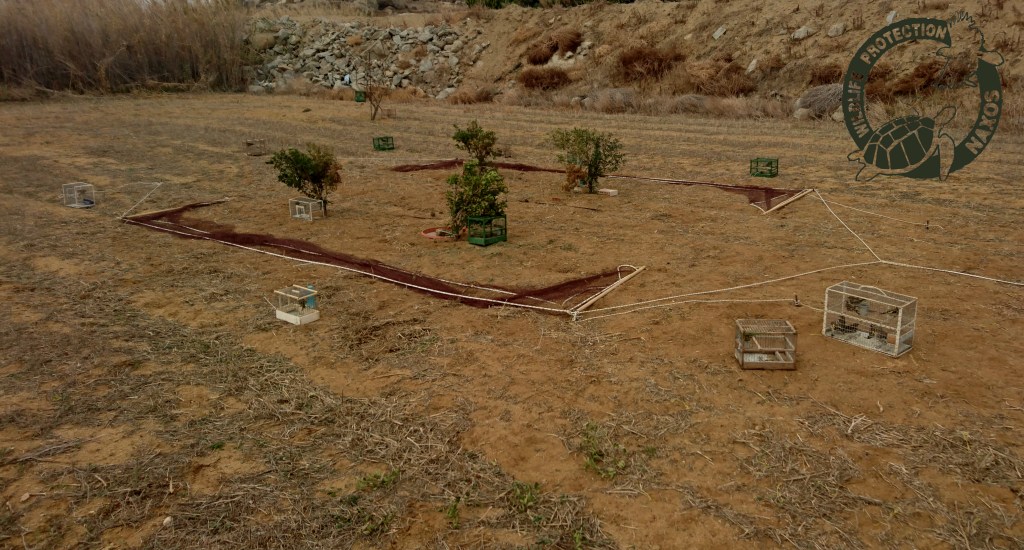
Within the Wildlife Refuge, trapping equipment for wild songbirds was found with nets and live birds as baits. Over 40 wild birds were seized. 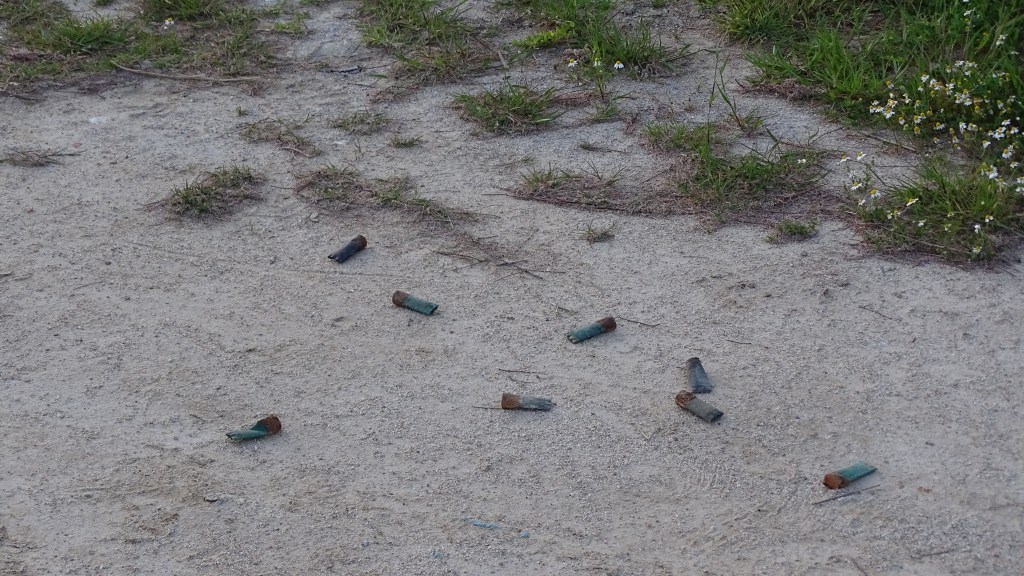
Pollution from cartridges. 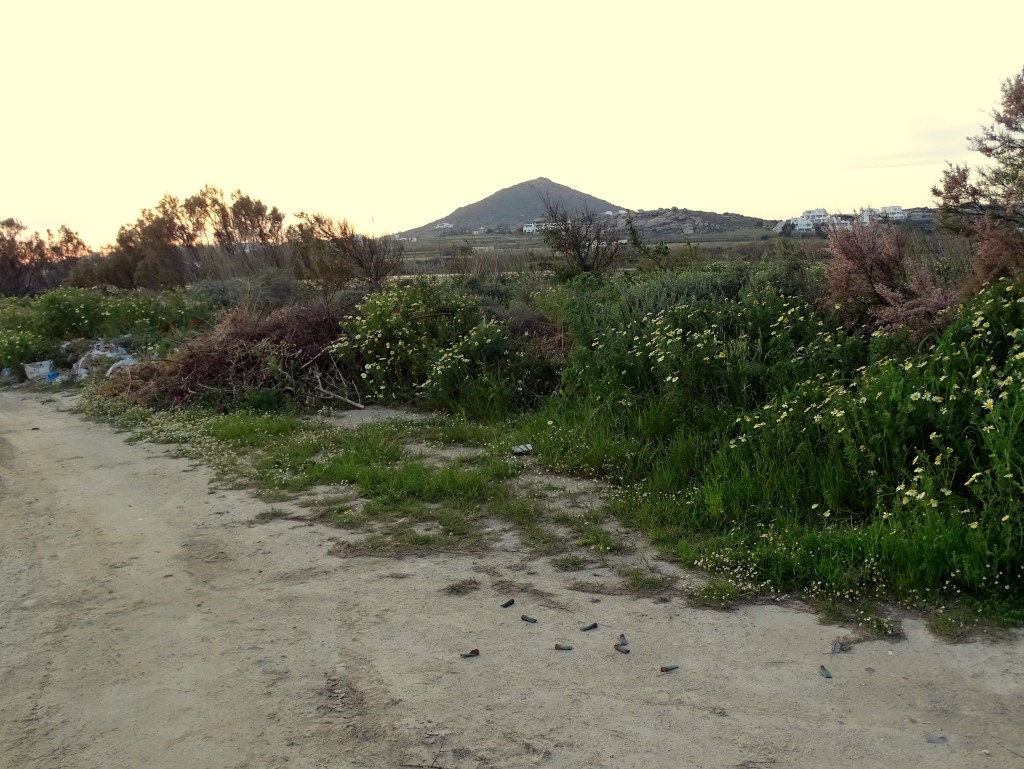
Cartridges found in the southern side of the Lagoon. 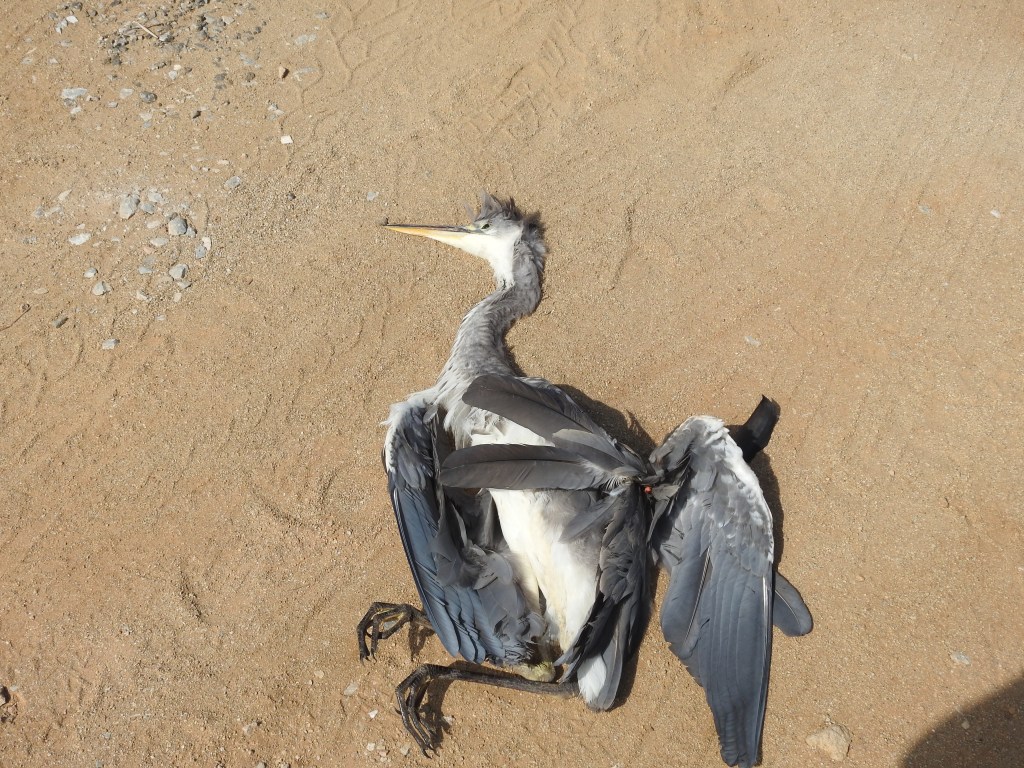
Gray Heron found dead in the Wildlife Refuge. Pellets were found in its body. 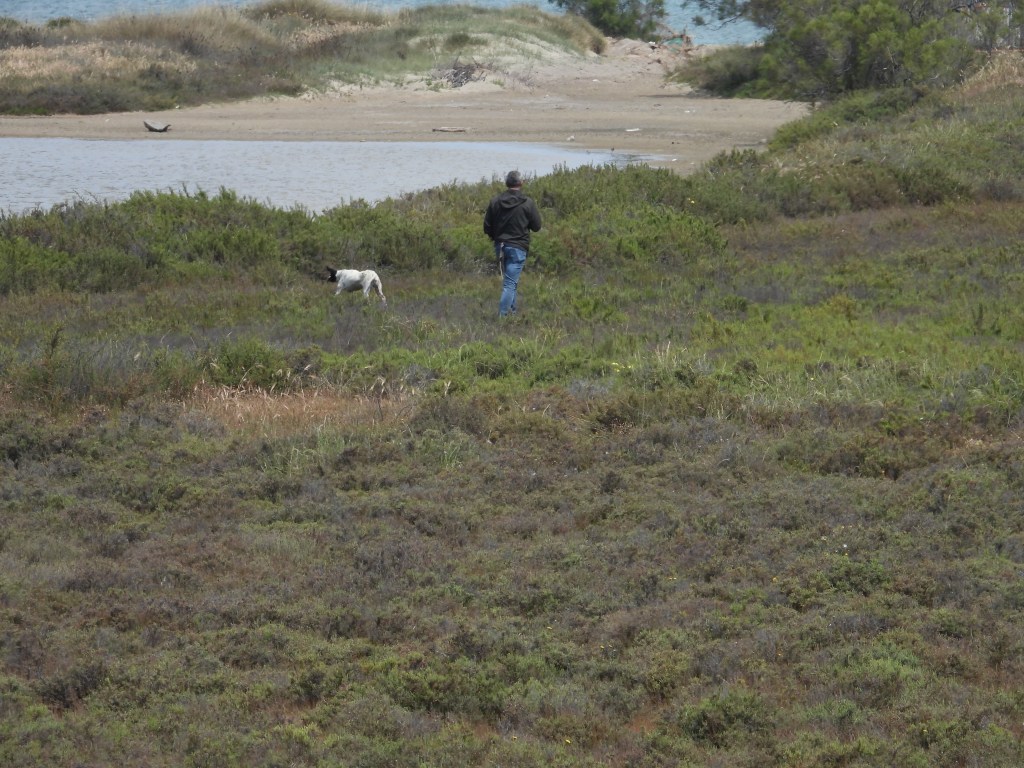
Training of a hound within the wetland, an act prohibited within the Wildlife Refuge. Normally every pet should be on a leash within the Refuge to avoid disturbing and injuring wildlife.
The volunteers of our Association pointed out all these incidents of poaching and the problems caused by hunting in general in the area and to the wild fauna and mobilized the authorities, reducing these incidents to a large extent today.
The destruction of the coastal zone
The coastal zone of the Lagoon Wildlife Refuge consists of Laguna beach and the sand dunes that extend to the lagoon and are crossed by the municipal road which connects the airport with Agios Prokopios.
According to the Official Gazette 60/A/31-3-2011 Article 13 Par.4 “the movement of motorized vehicles outside the road network is not allowed in ecologically sensitive areas, such as indicatively, permanent or seasonal lakes and marshes and their shores, the coast, sand dunes, rivers, streams and creeks, forests, meadows, pastures, the priority habitats of Annex I of Directive 92/43/EOK, as well as on paths located in such areas.
Excluded is the absolutely necessary movement to deal with natural disasters and accidents, fires, as well as for reasons of national security and defense, as well as vehicles of the management department of these areas. Also excluded is the absolutely necessary movement to access cultivated land, to serve pastoral livestock and to carry out logging and the transport of forest products or professional fishing and aquaculture tools.” and “it is not permitted, through the movement of motorized vehicles, spontaneous creation of new or extension of existing roads in forest, grassland and coastal ecosystems.”
Laguna beach faces north-northwest and is characterized by shallow waters and rocky reefs. Parallel to the coastline lies an elongated reef.
Due to the location of this bay, it is greatly affected by the blowing northerly winds, which carry waste through air and sea.
As there is no briefing on the protection status of this area from the Municipality, but there is also ignorance of the people and the visitors of the island, Laguna beach has suffered a lot, mainly due to the increased, uncontrolled tourist activity.
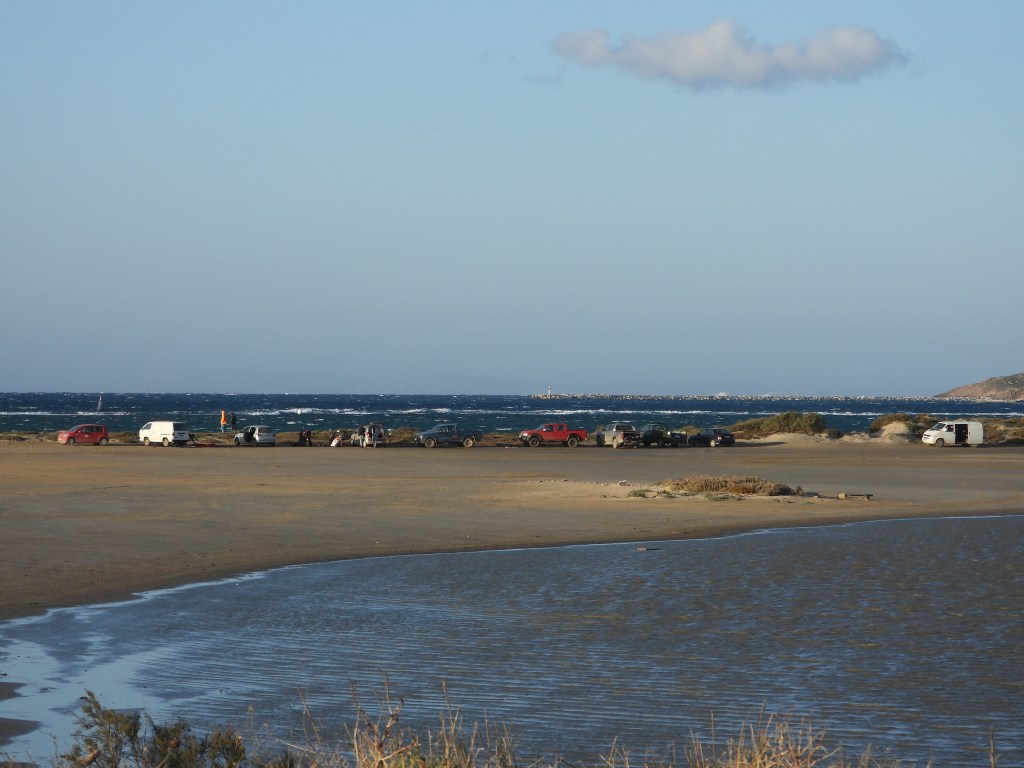
Although no construction is found in the coastal zone, the image of the dry, flat land gives the impression of an unexploited area. For many years, the entire Laguna beach, especially the lagoon in front of the airport (which was once part of the larger lagoon before the road and airport were built), was turned into a camping and parking area for locals and visitors who wanted to go for swimming or water sports.
Especially on days with strong northerly winds, Laguna Bay is flooded with wind-surfing enthusiasts.
Motor vehicles are used not only on the dry lagoon, but also on the sand dunes and the beach. Many species of wild flora and fauna reside there, and the destruction of them and their habitats is expressly prohibited according to the Official Gazette 652/B/04-05-04.
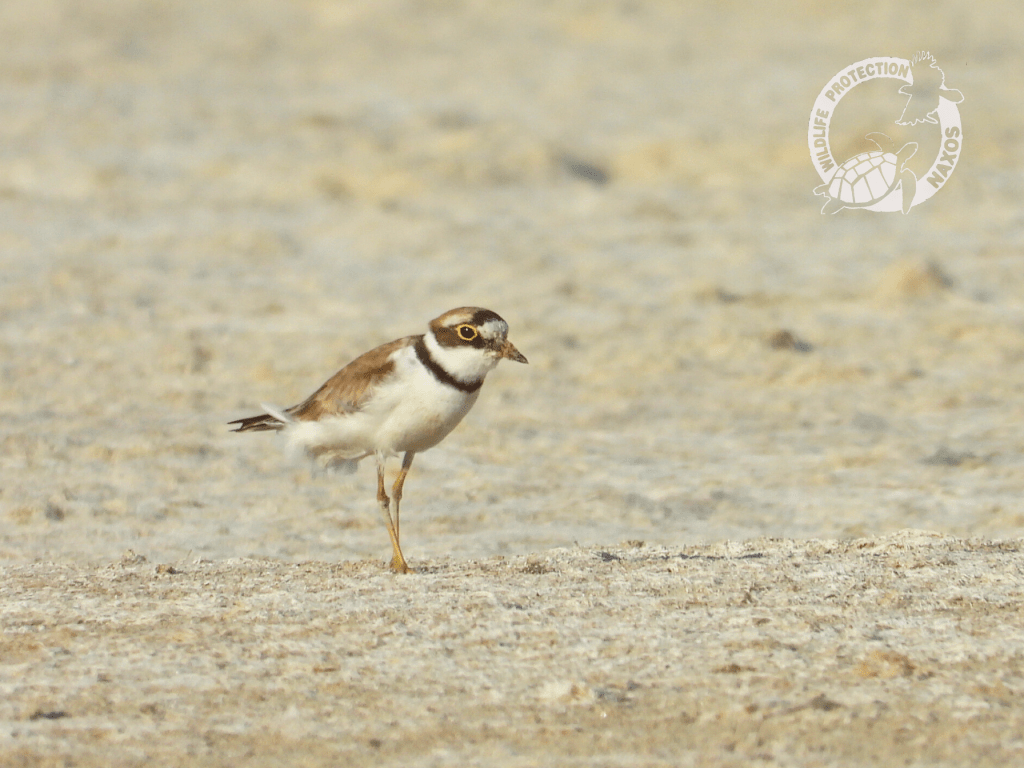
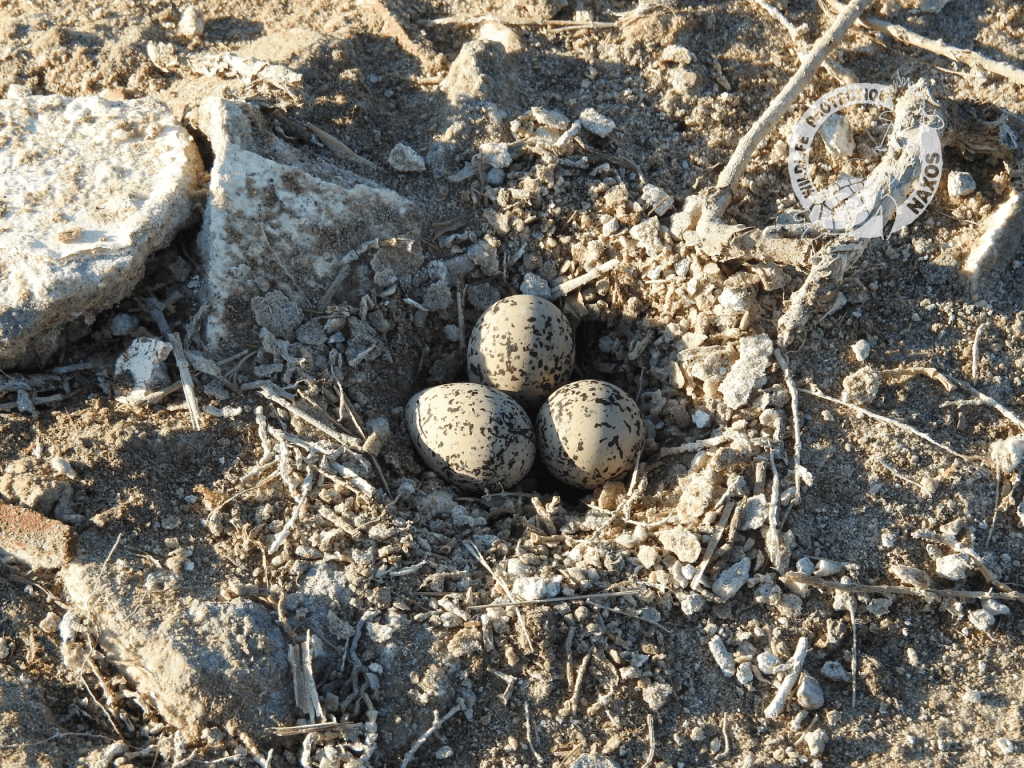
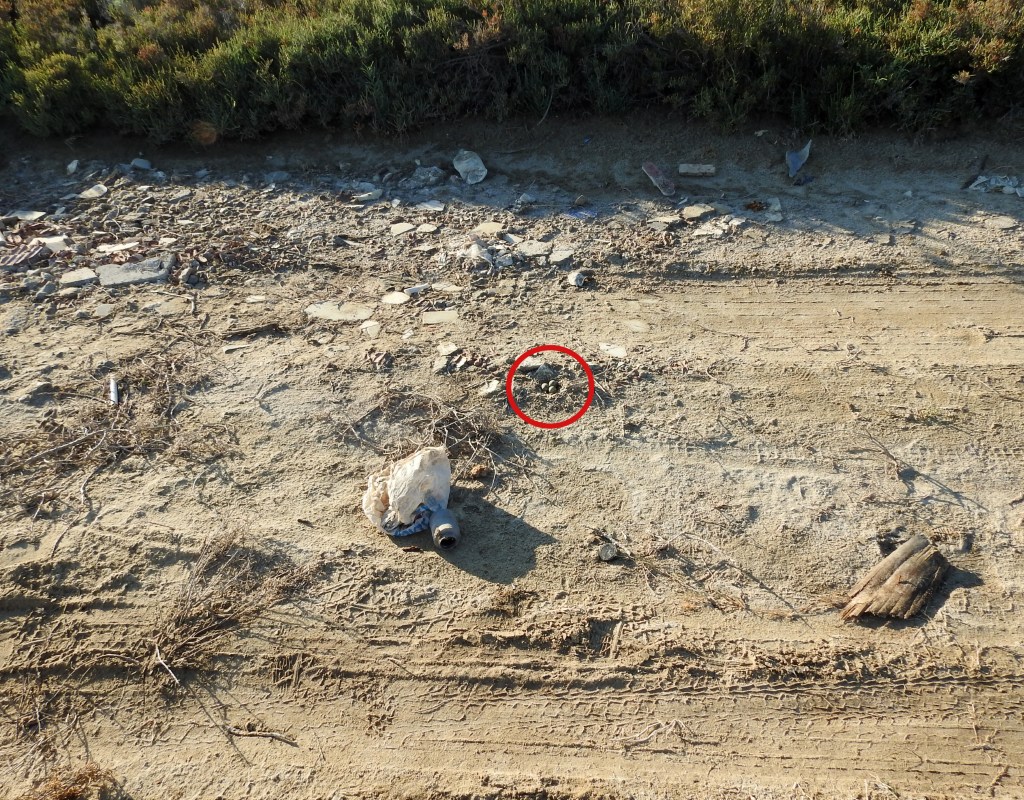
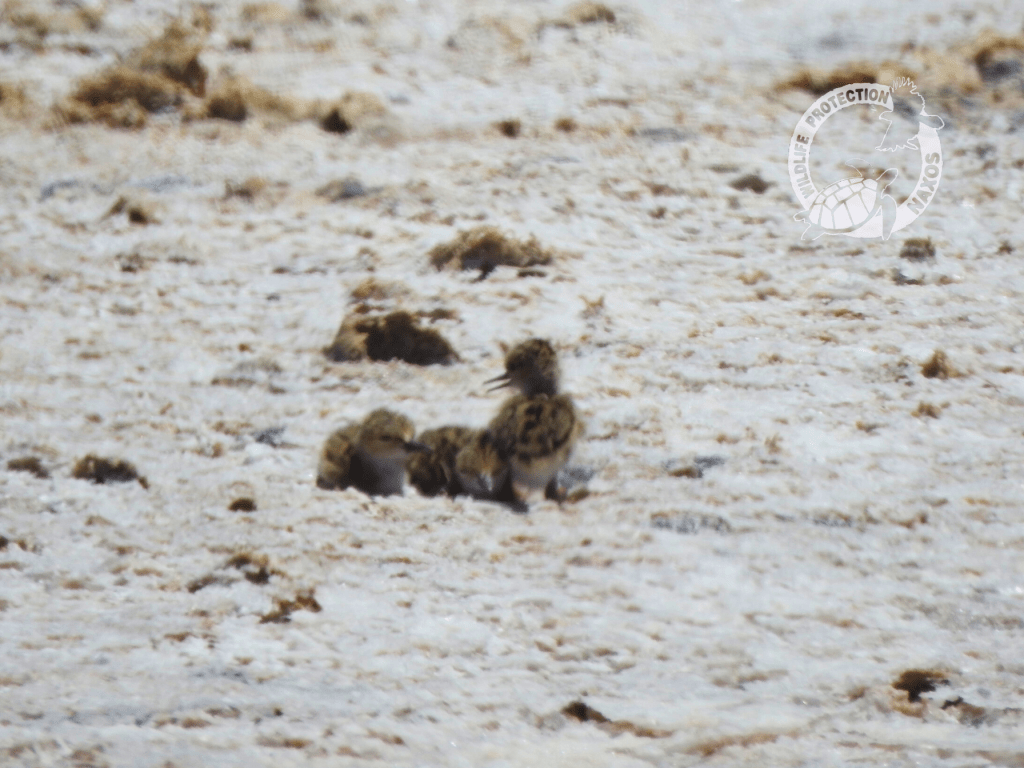
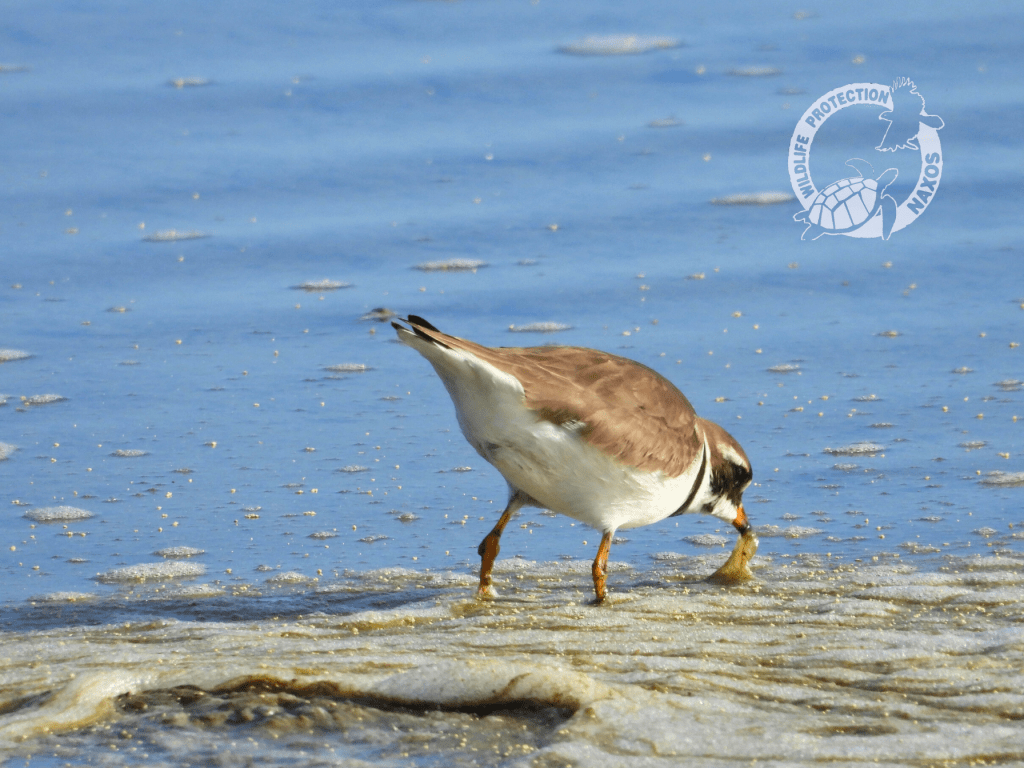
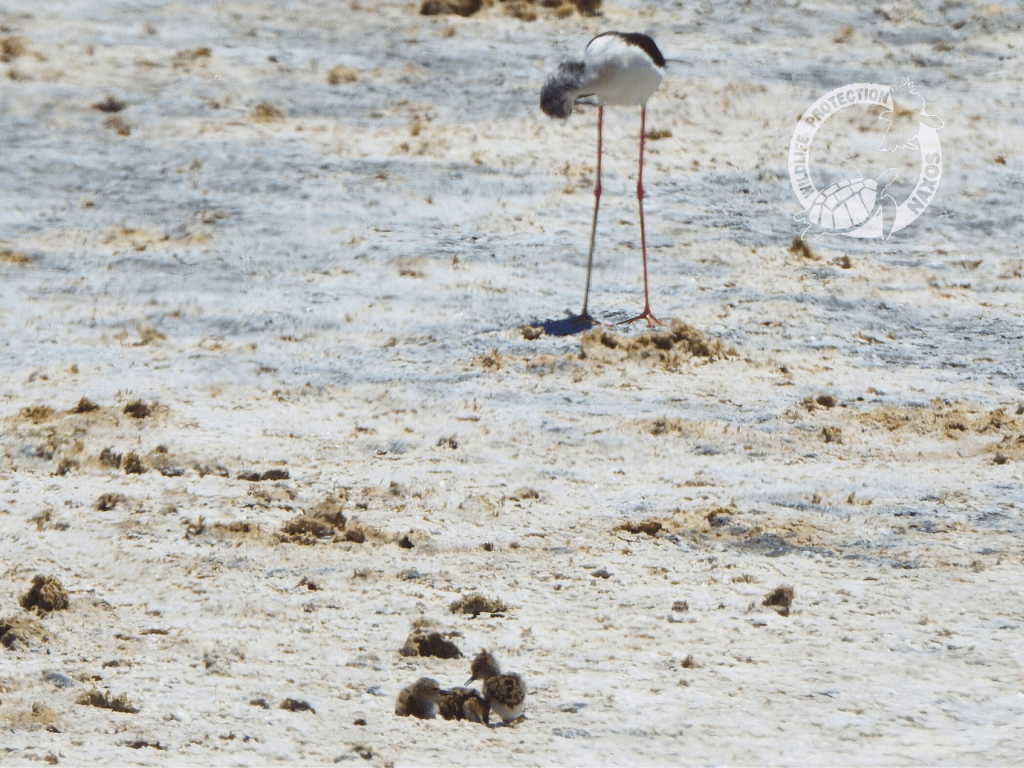
In the sand, during the spring and summer months, the Kentish Plovers, Crested Larks and Little Ringed Plovers live and nest, who raise their young ones on the dry beds of the lagoons and feed on insects, crustaceans and molluscs.
Their eggs are camouflaged to protect them from predators and the adults remain nearby, usually feigning a broken wing and heading in the opposite direction of the nest.
Coastal vegetation and sand dunes are inextricably linked.
The presence of plants in the sand holds the soil through their roots and also protects it from wind erosion.
Studies in North America, Ireland and New Zealand (Spence H., 2014) have shown that the reduction of vegetation leads to an increase in wind velocities on the dune surface and, therefore, to an increase in the volume of sand transported away from the dune, thus, destroying the dune.
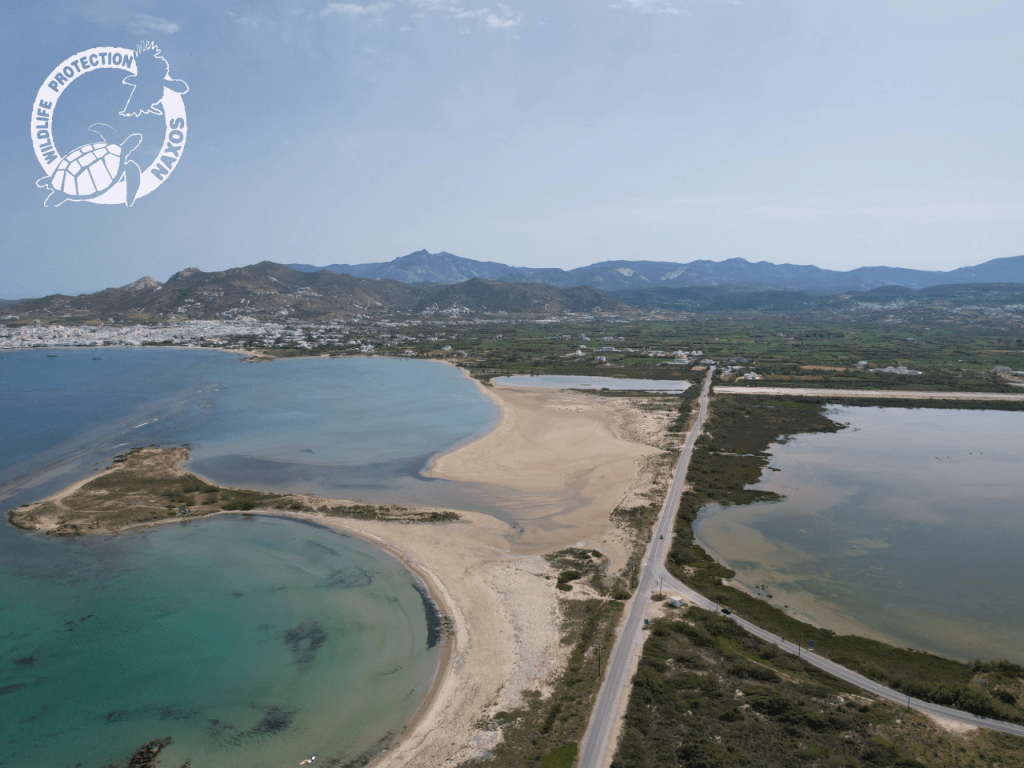
The dunes act as a kind of breakwater for the area behind them against wind and wave action, which in this particular case is the lagoon itself, the road and the airport.
Long-term impact of the coastal zone by motor vehicles and humans, however, is changing the dynamics of the dunes and the way the sand is deposited.
Vehicle use destroys vegetation, not only above ground but, after excessive trampling, their root system is also destroyed. This destruction of flora makes the sand vulnerable to the forces of wind and sea, leading to erosion and flattening of the dunes.
This destroys an important habitat for flora, wild birds, benthic and parabenthic organisms (such as insects that live in algal deposits), disrupts soil properties such as pH, salinity and density, and exposes any human construction at risk from wave erosion.
In the intertidal zone, or where the wave breaks, many waders rest and feed on molluscs, crustaceans and fish, especially when the lagoon is dry.
In addition to wild birds, species of flora grow and bloom throughout the year, such as tamarisks, junipers, sea daffodils, etc.
Therefore, the driving of motorized vehicles, the uncontrolled trampling by people and the dragging of water sports equipment, lead to the destruction of the sand dunes and the entire geomorphological composition of the coastal zone.

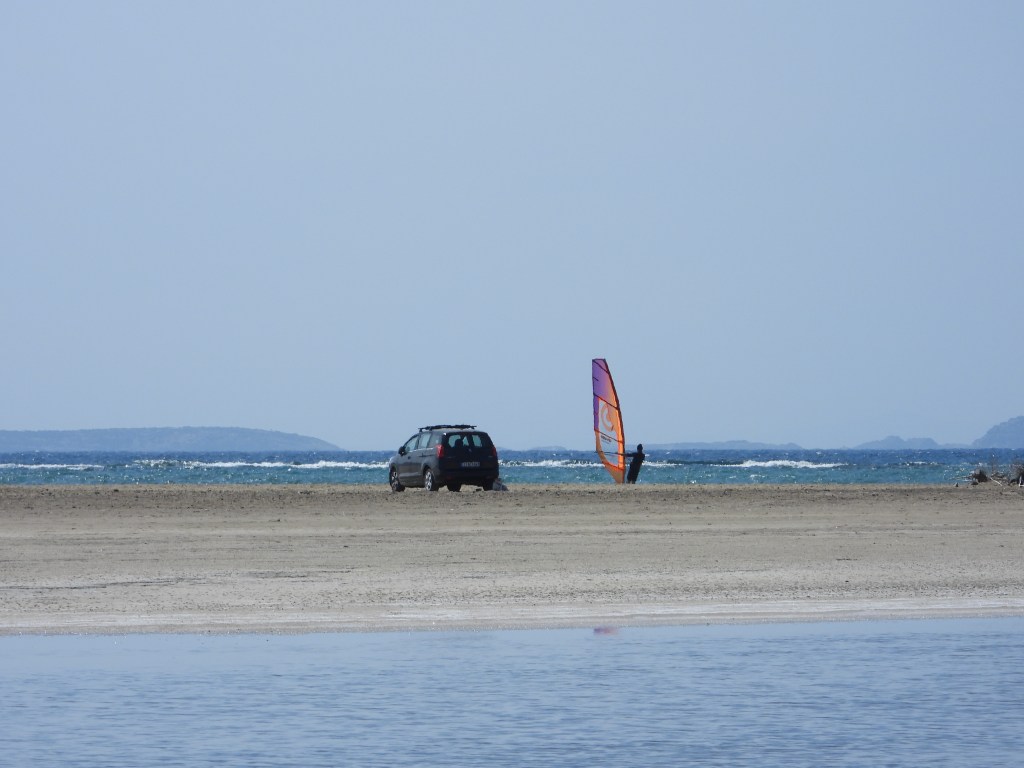
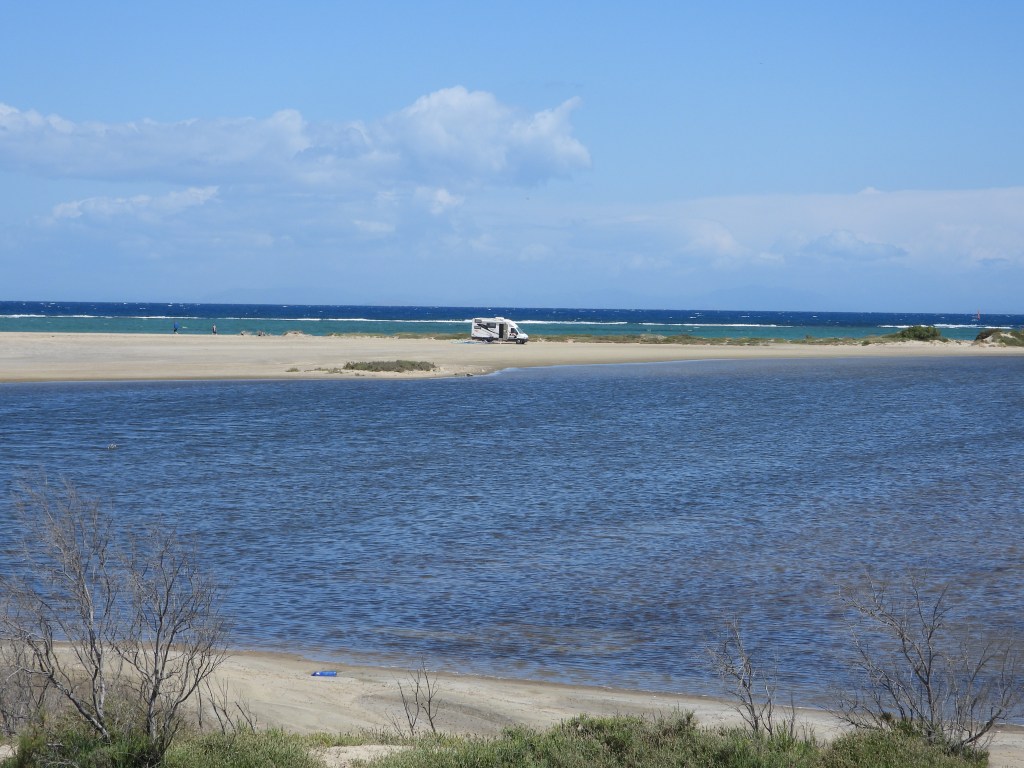
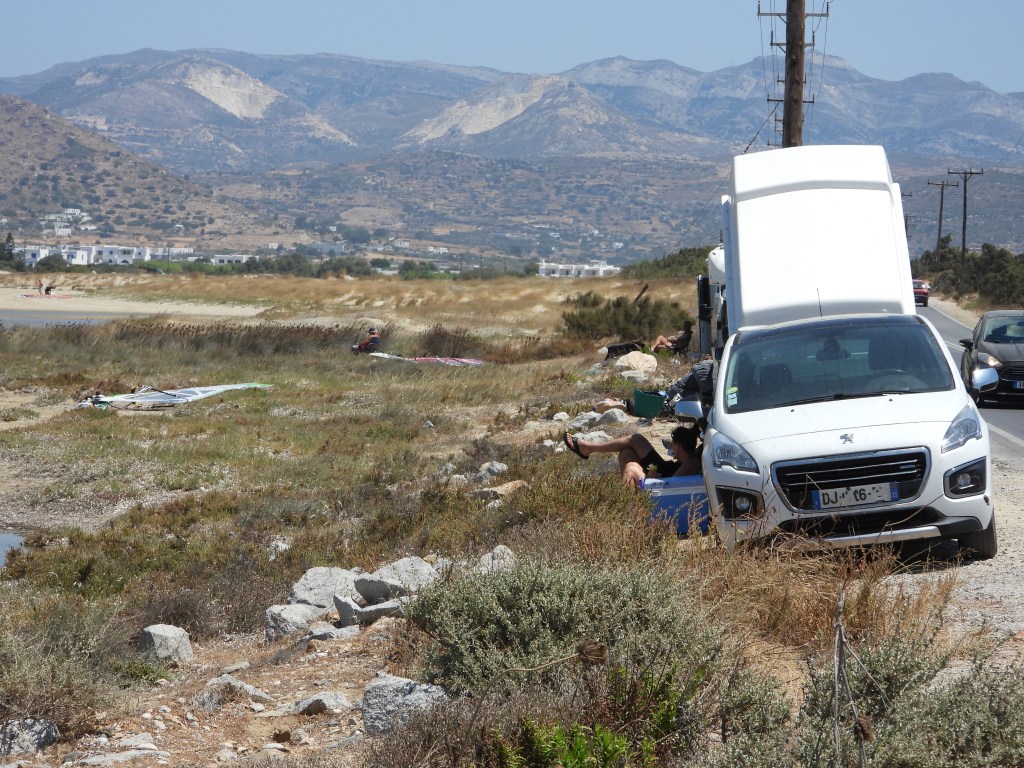
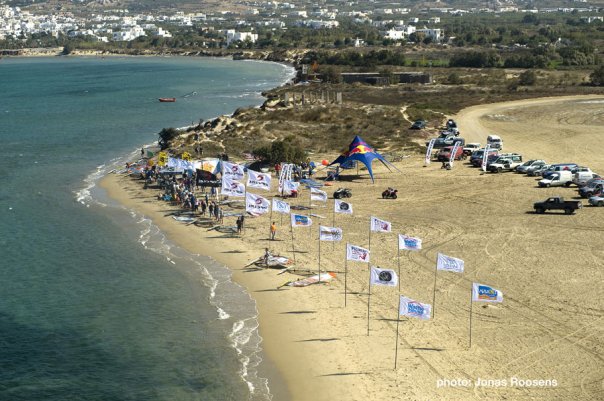
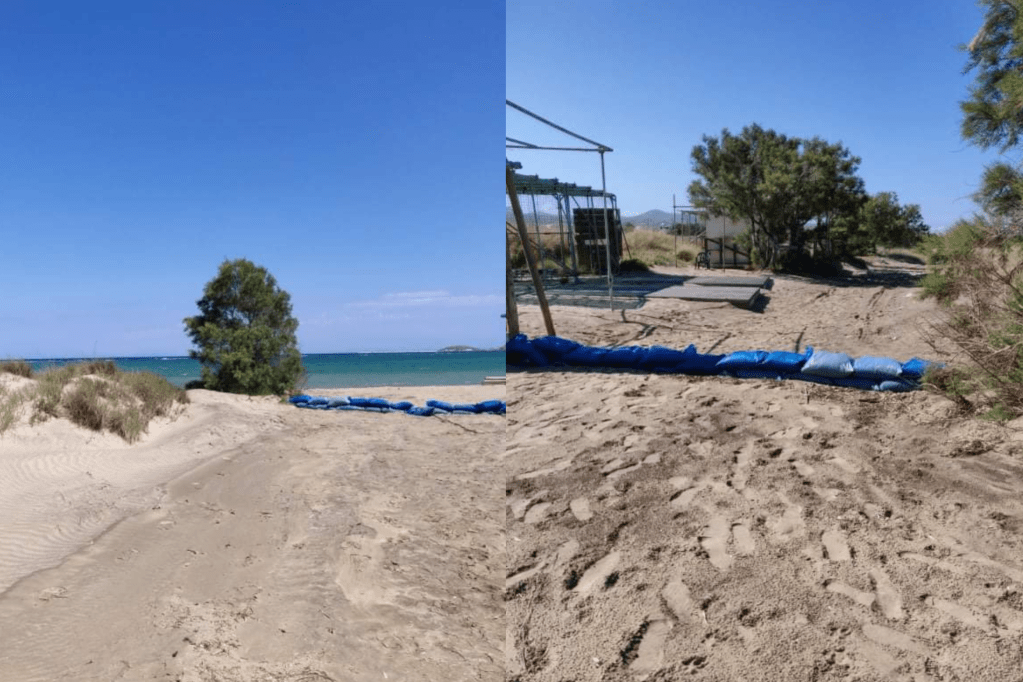

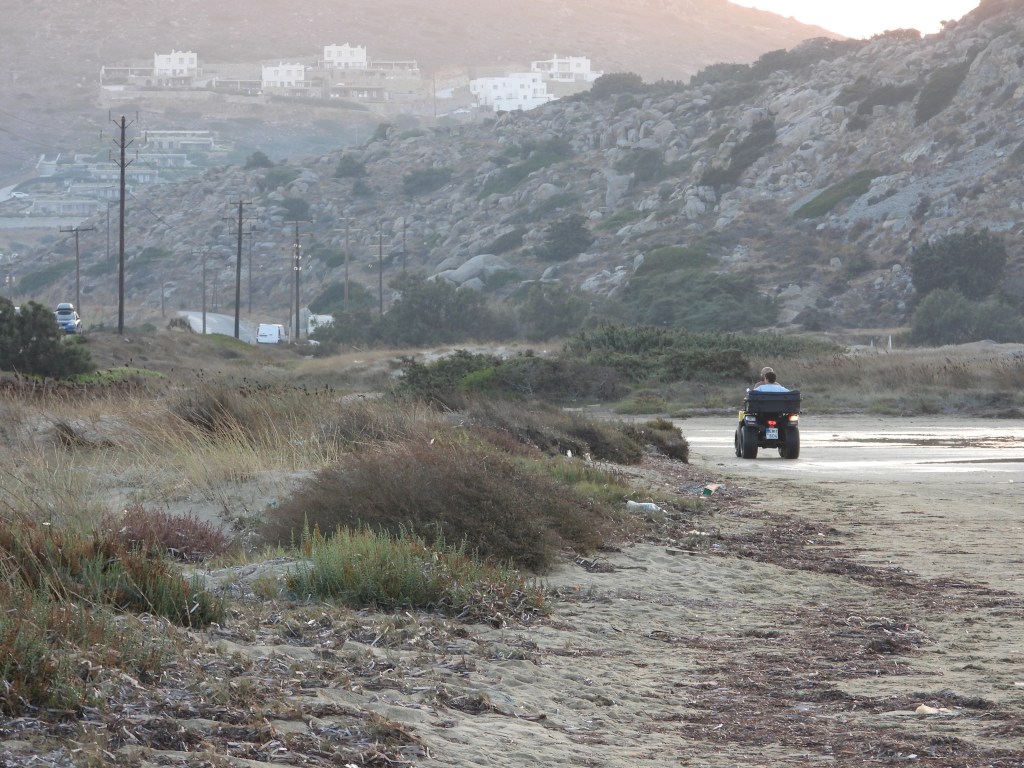
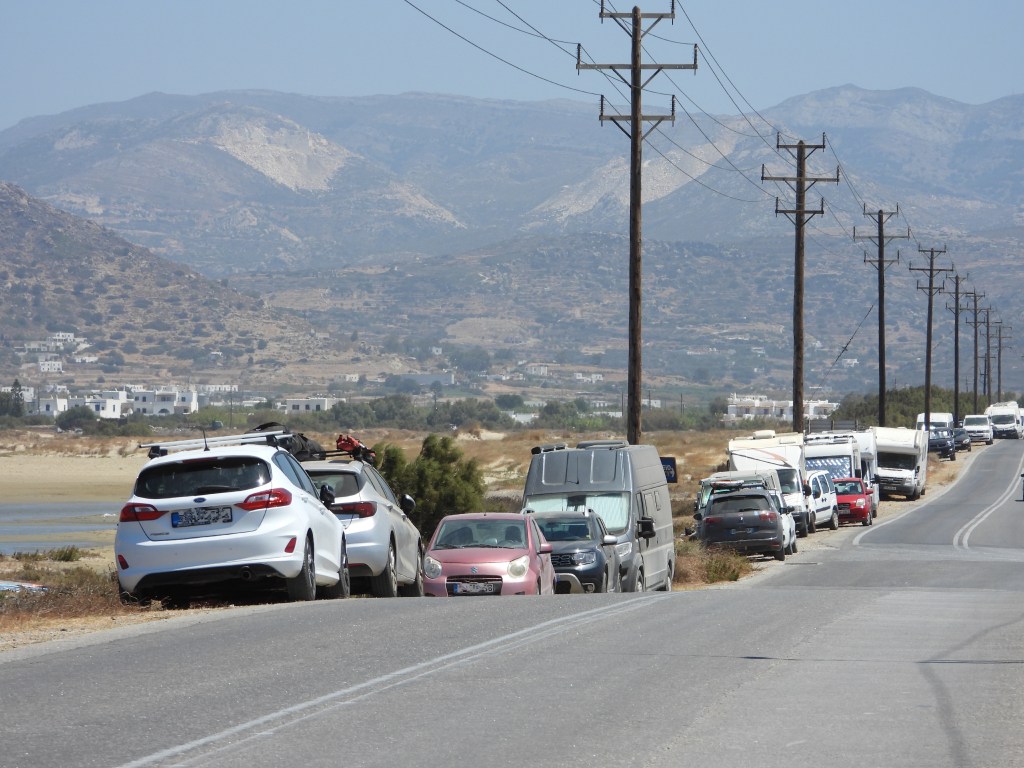
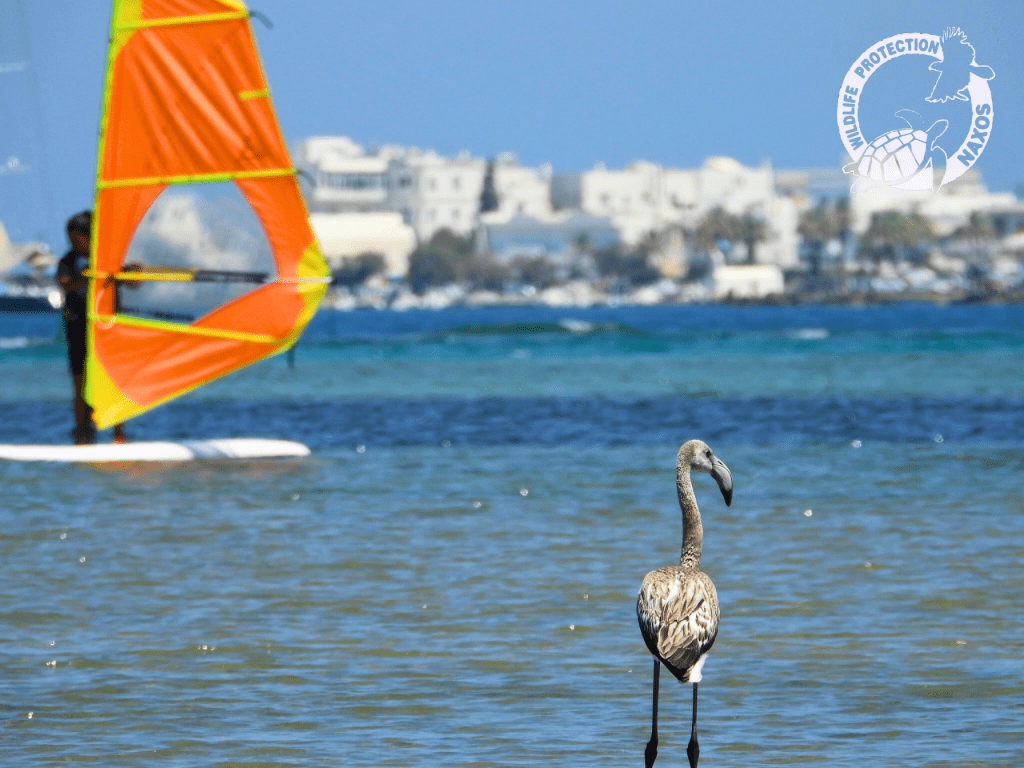

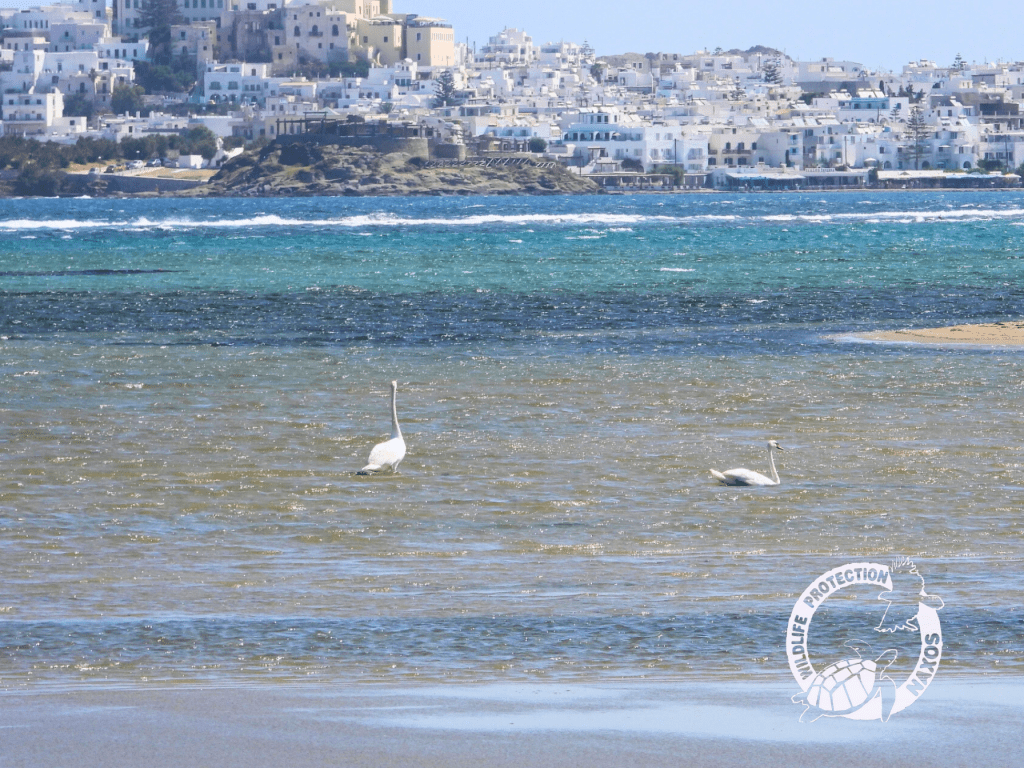
Naxos Wildlife Protection Association has started mobilizing the authorities regarding the more effective protection of the Wildlife Refuge, which refuge is particularly disturbed during the summer months due to tourist traffic.
The biggest problem is created by visitors of the island, who do not know/don’t care about the protection status of the area and the importance of this wetland, but also the ignorance and greed of some island residents, who arbitrarily consider the natural environment as their property.
This started when in the spring of 2021, a flock of Flamingo arrived in the Lagoon and the incident became known, which resulted in residents and visitors going out of their way to get a photo of these beautiful birds, even using a drone. Unfortunately there was a lack of respect and people entered the saltlake, not only disturbing and scaring the birds, but also trampling on nests.
The volunteers of our Association put up leaflets informing the public to respect the wild birds and that it is a Wildlife Refuge.
The reaction was for some of the leaflets to disappear and the disturbance of the birds to continue. We had informed the authorities and were working with them to carry out patrols to protect the birds.
Despite all this, in general, there is indifference and there is no will from the Municipality of Naxos and the authorities responsible to implement the Law and protect this valuable wetland from illegal activities mentioned above.


South Lagoon as a dump
In the south of the Lagoon is a dirt road that is also the boundary of the Wildlife Refuge. This area was used as a dump for many years by tourist businesses and residents of the area.
The sight was horrible, as can be seen in the photos below, and even more horrible are the effects of this pollution on this unique wetland.
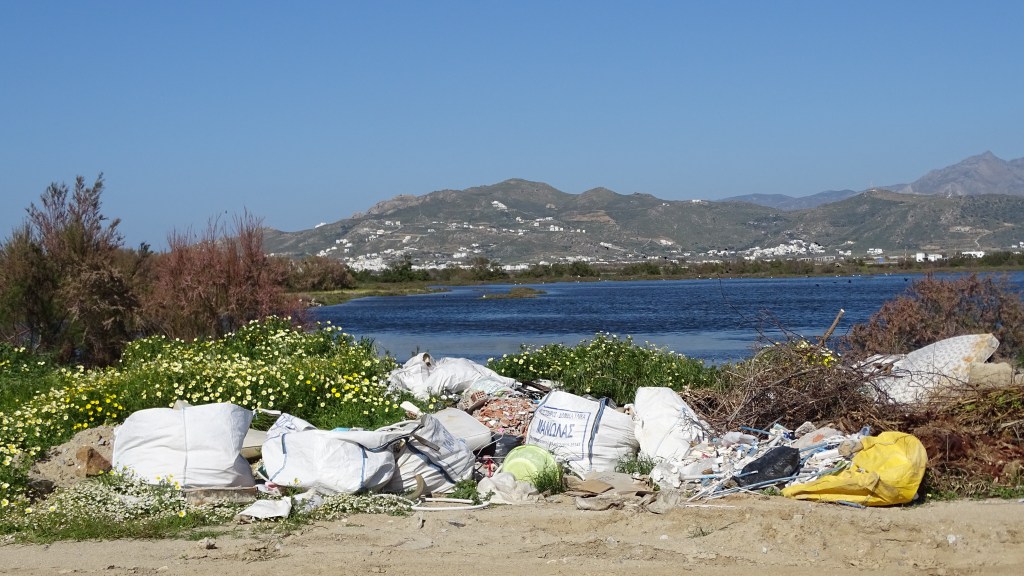
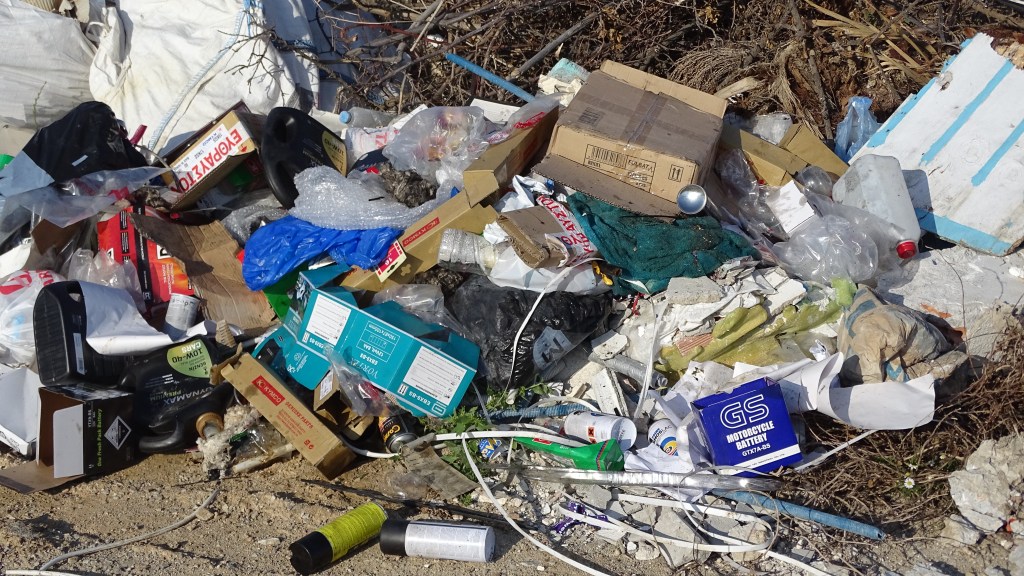
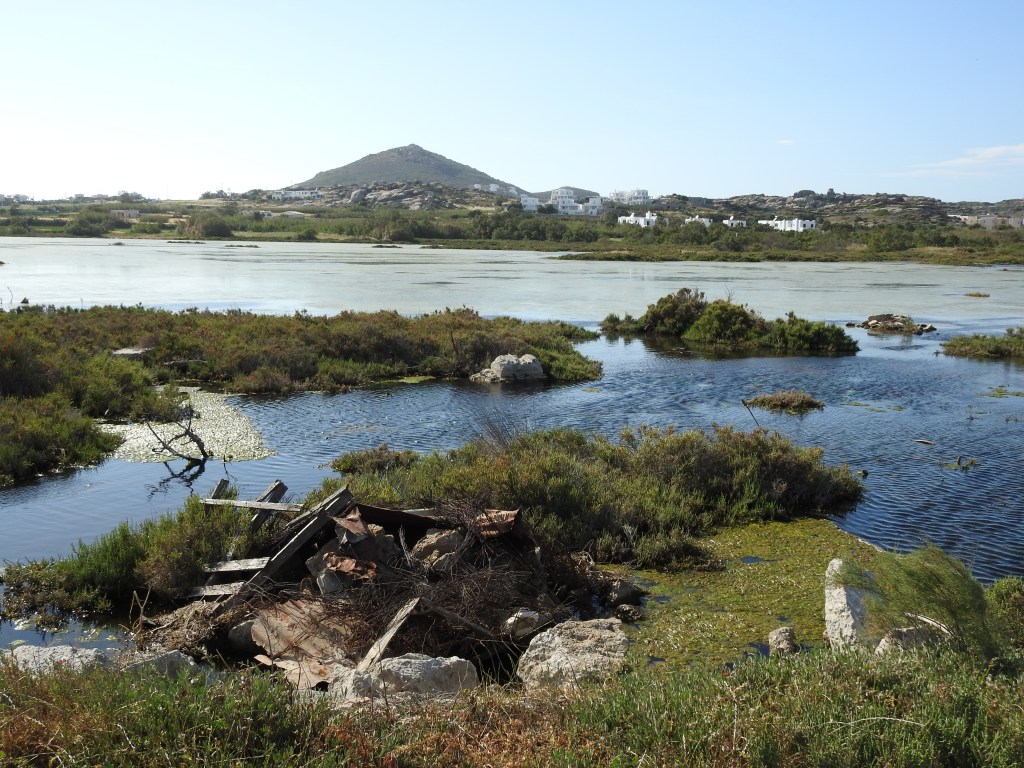
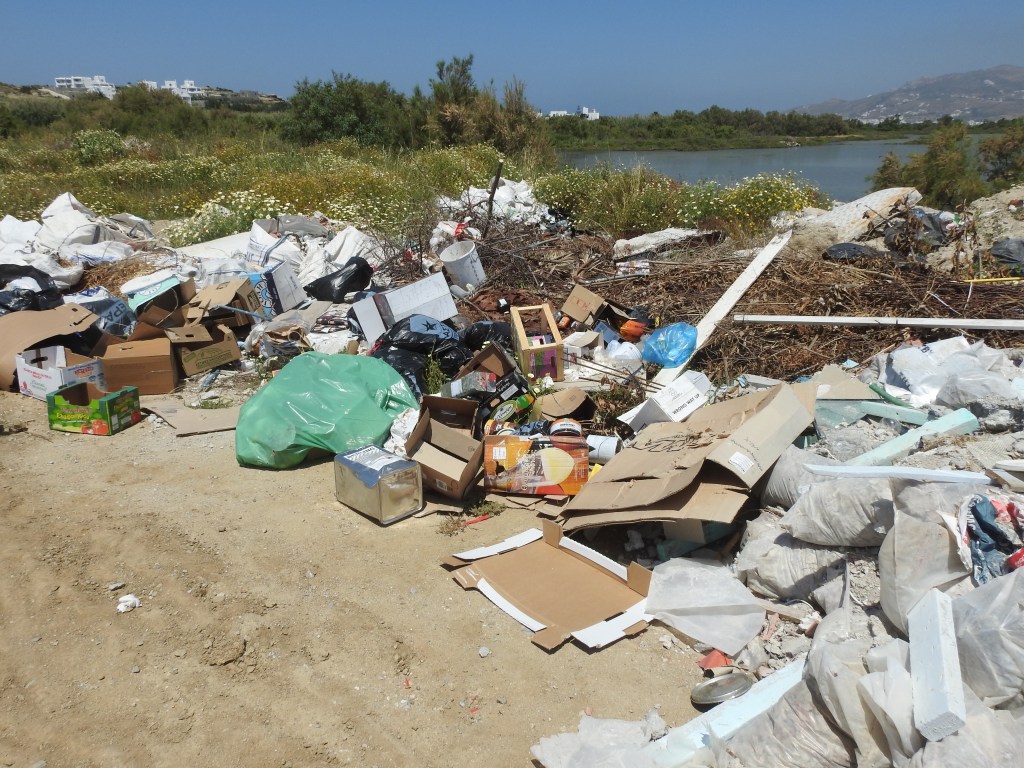
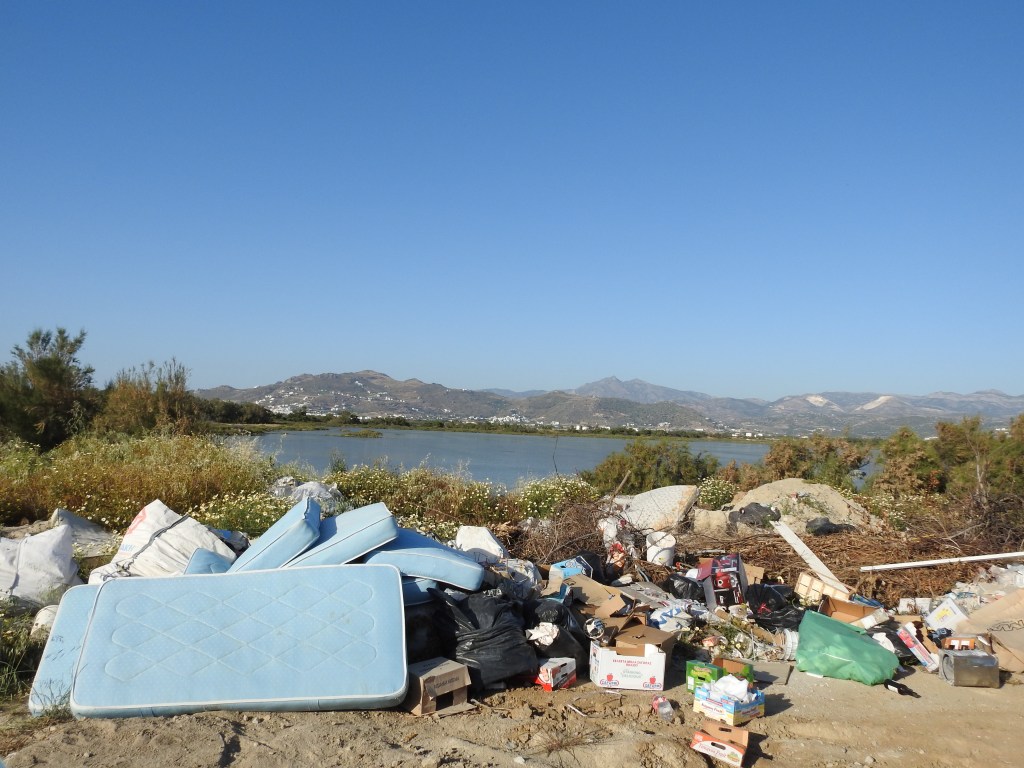
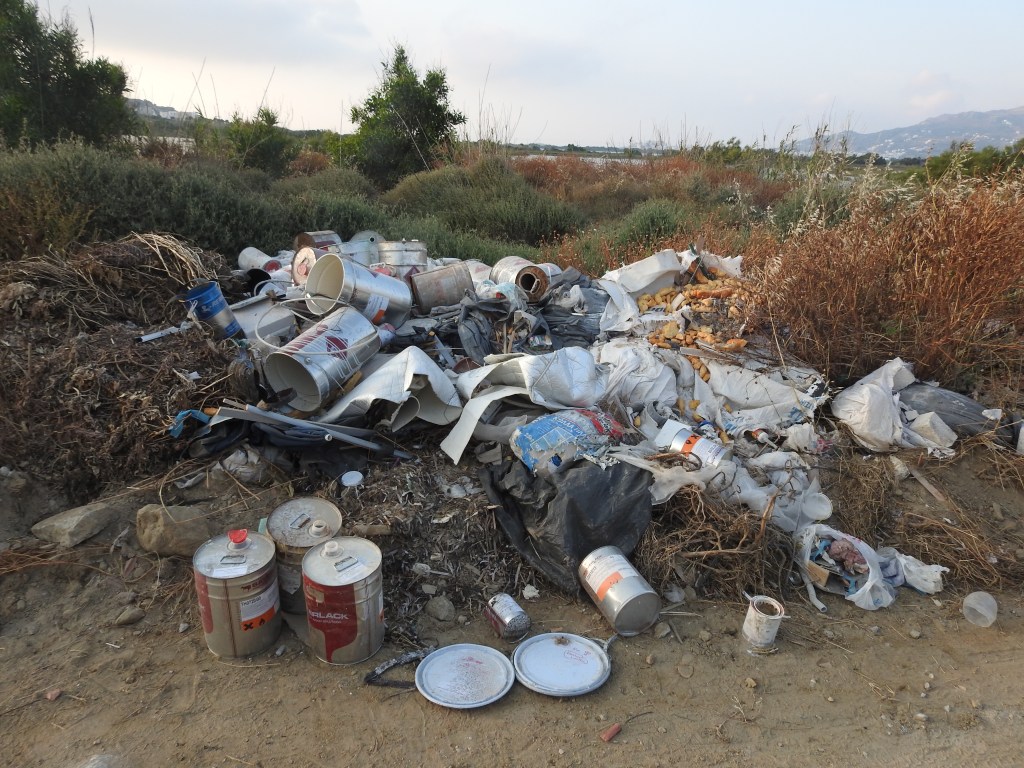
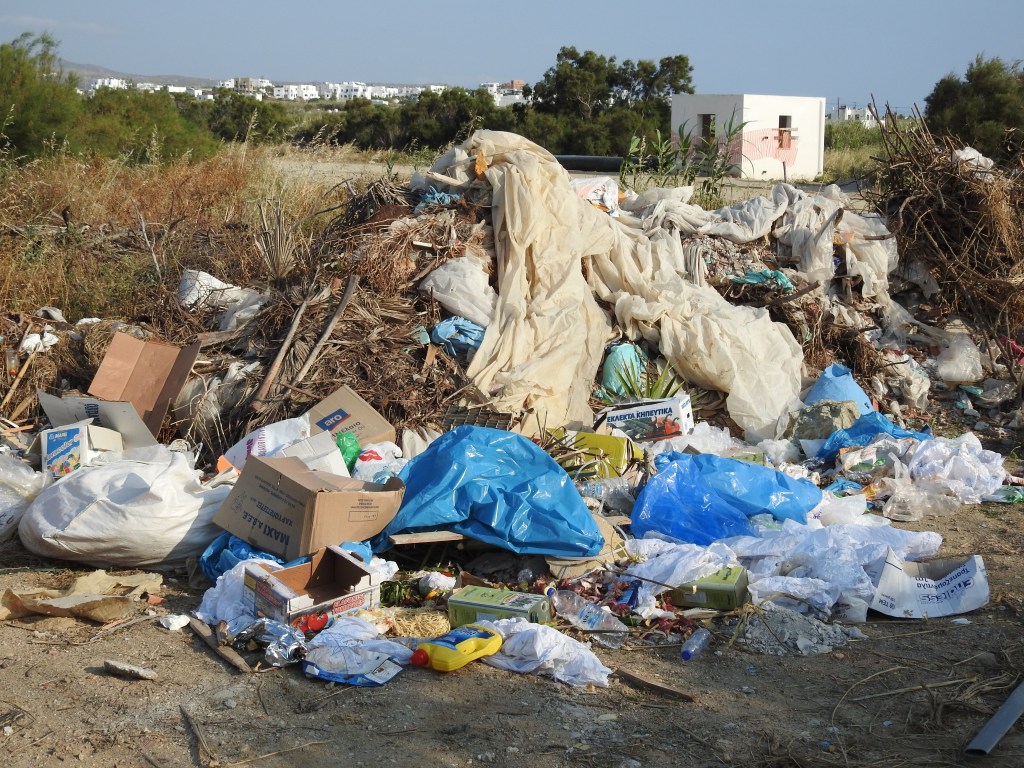
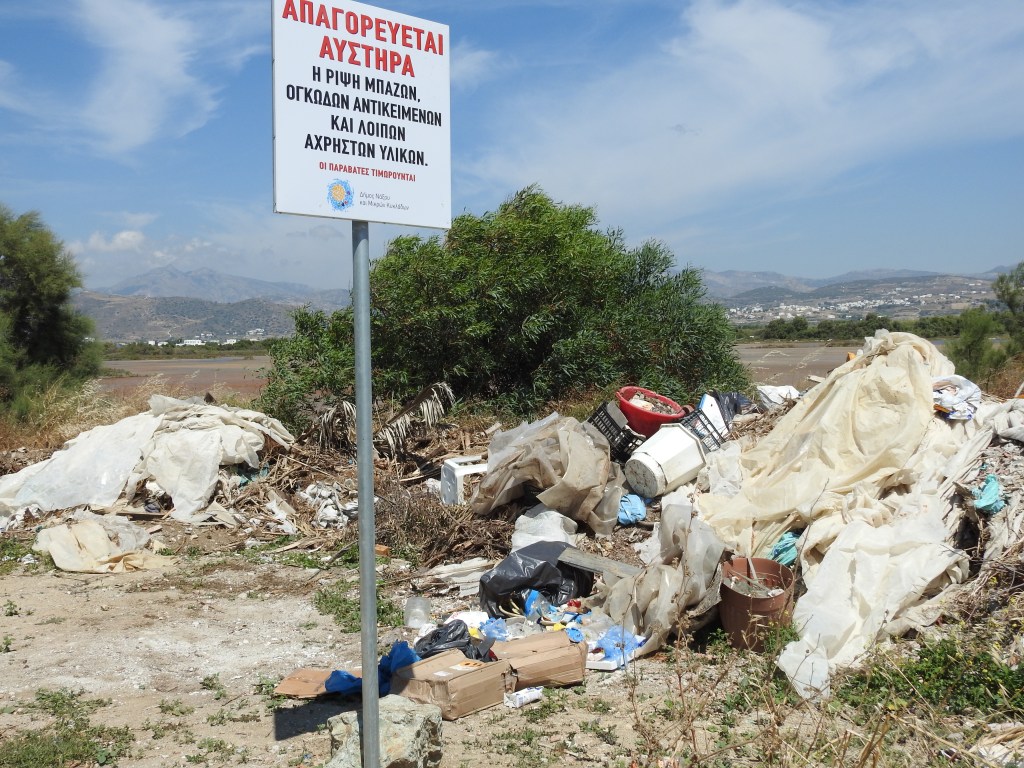
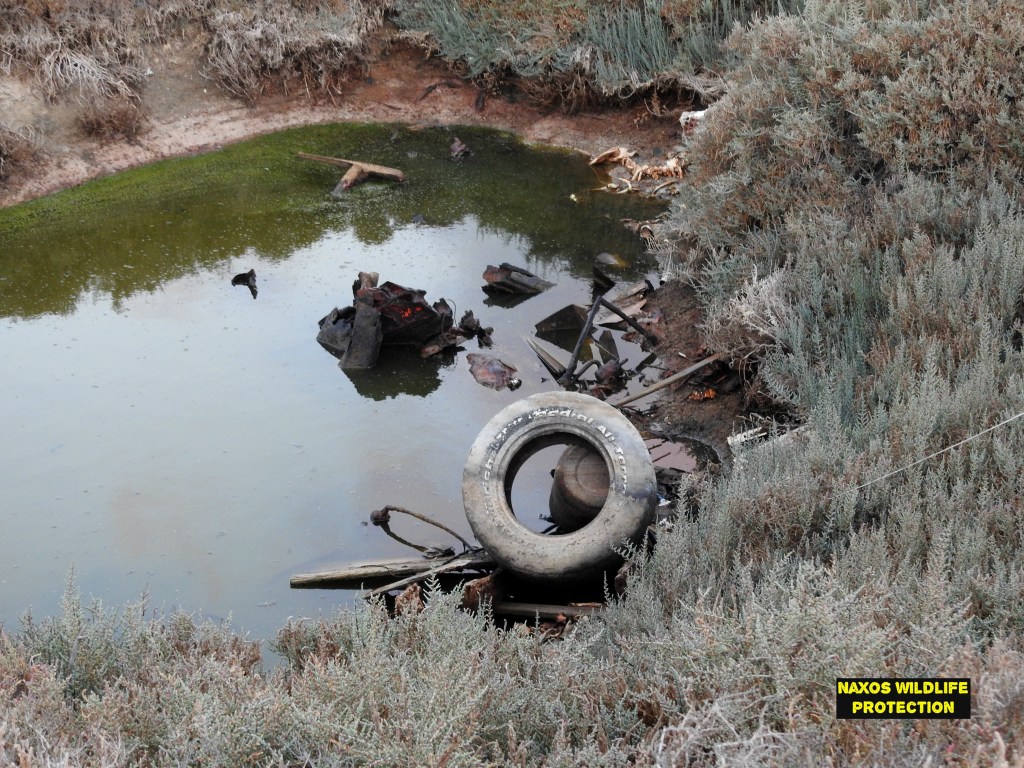
Naxos Wildlife Protection Association began documenting this illegal use of the wetland as a dumping ground for all kinds of waste since 2014 by collecting photographic material and videos of those responsible.
In 2015, the Association publicized this long-term event in the media.
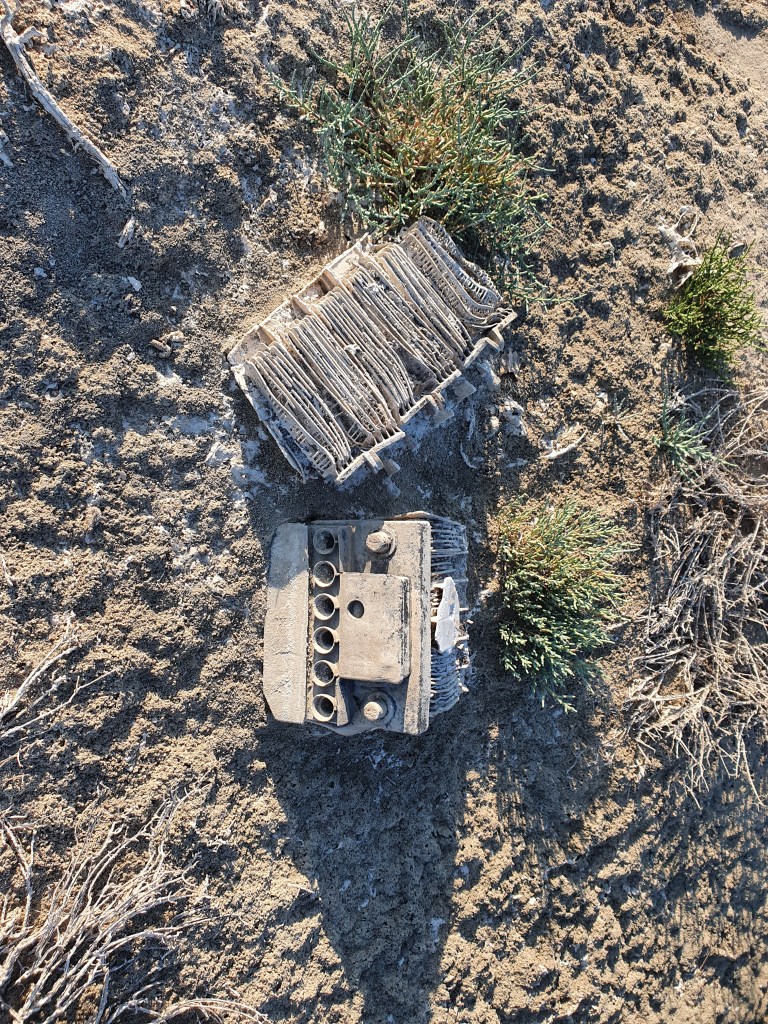
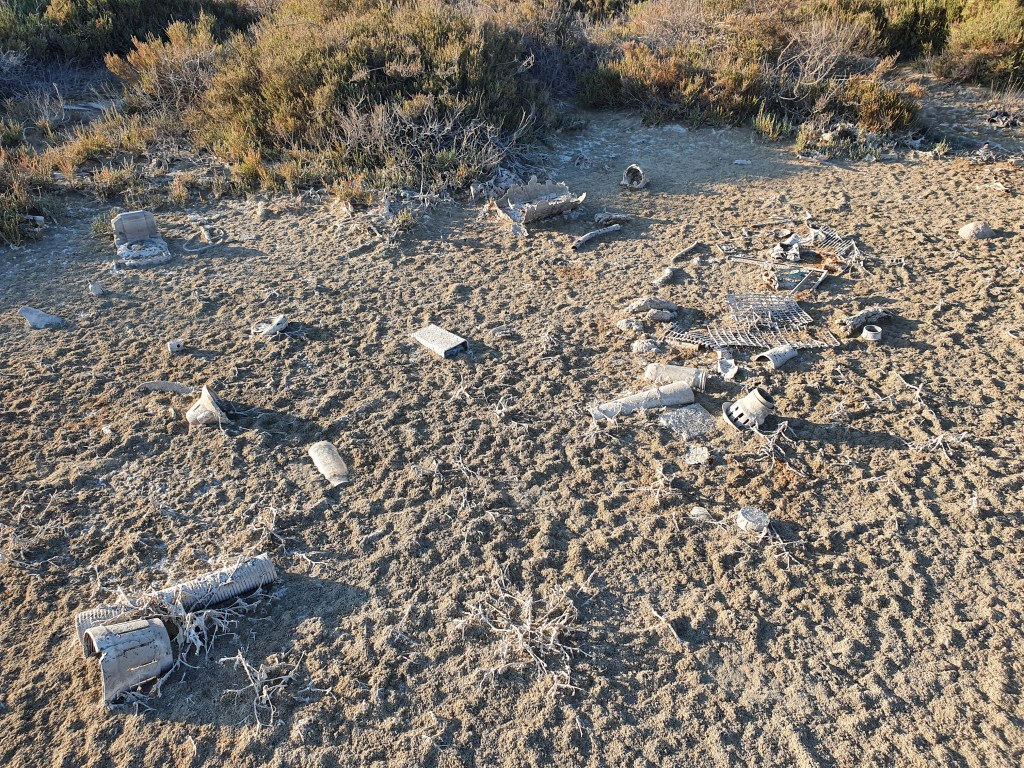
Debris found in the wetland included construction debris, mattresses, trash bags, paint, electrical appliances, furniture, restaurant waste, toxic fluids (freon), vehicle parts, and more. Any junk someone wanted to get rid of ended up there.
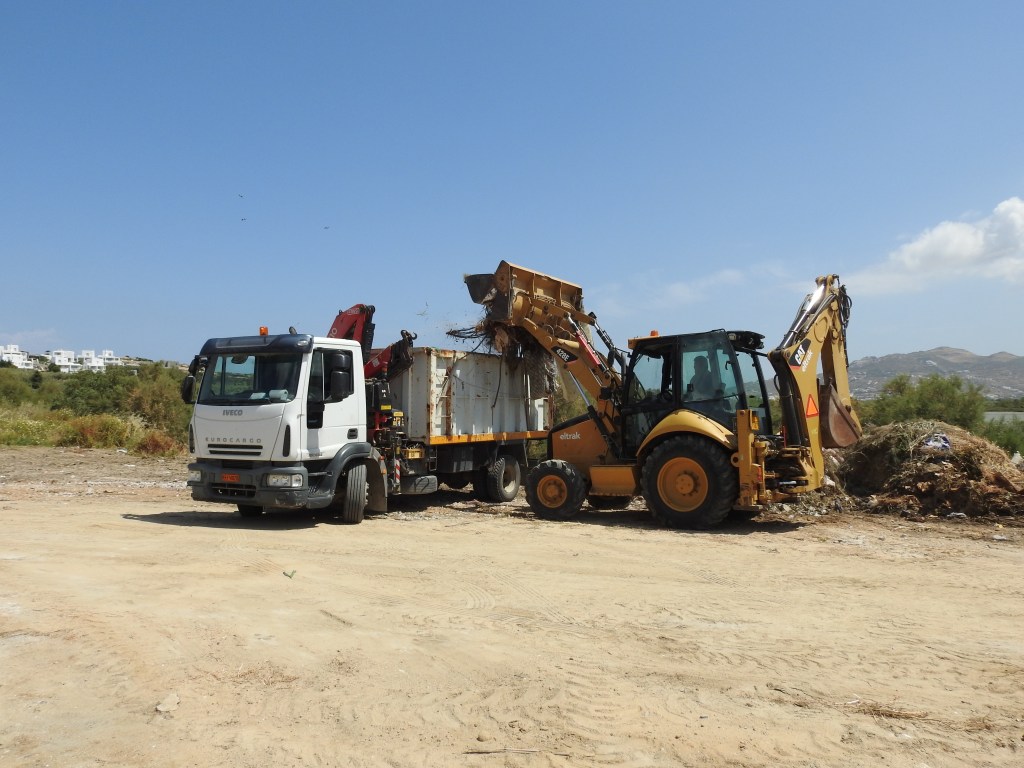
When the matter took great dimensions in the media, the Municipality was mobilized and began the cleaning of the area.
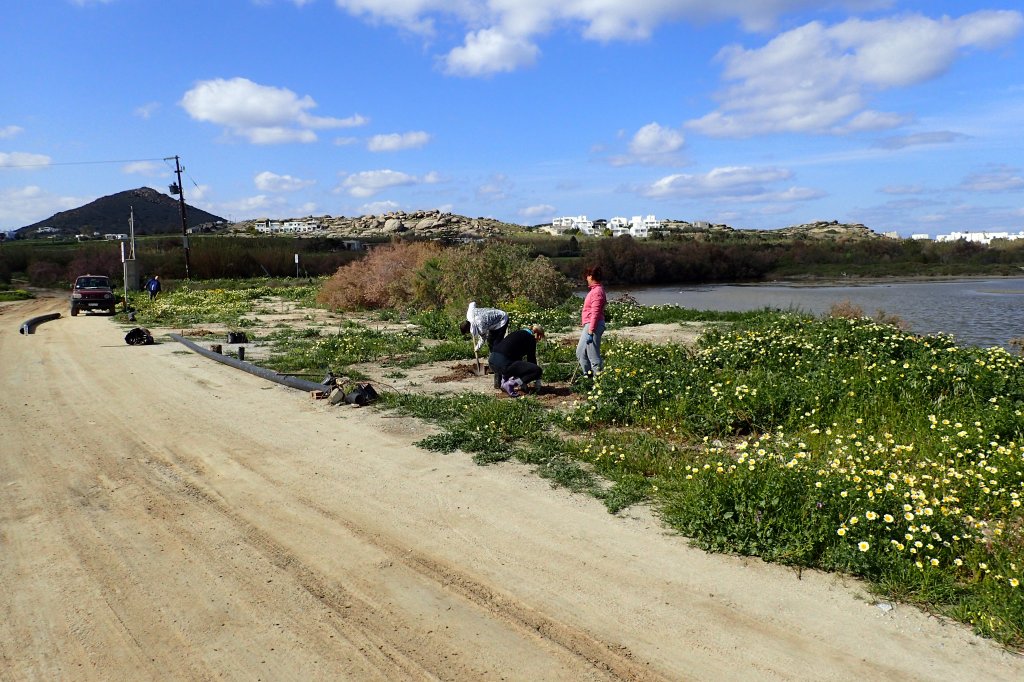
In May 2015, at our urging, City trucks collected the bulk of the litter, signs were put up informing the public about illegal littering and littering legislation, and when the area was cleared, volunteers from our Association planted endemic plants such as tamarisks.
However, it seems that some habits are difficult to stop as the throwing of trash and waste continued by some businessmen, whom we reported to the authorities.
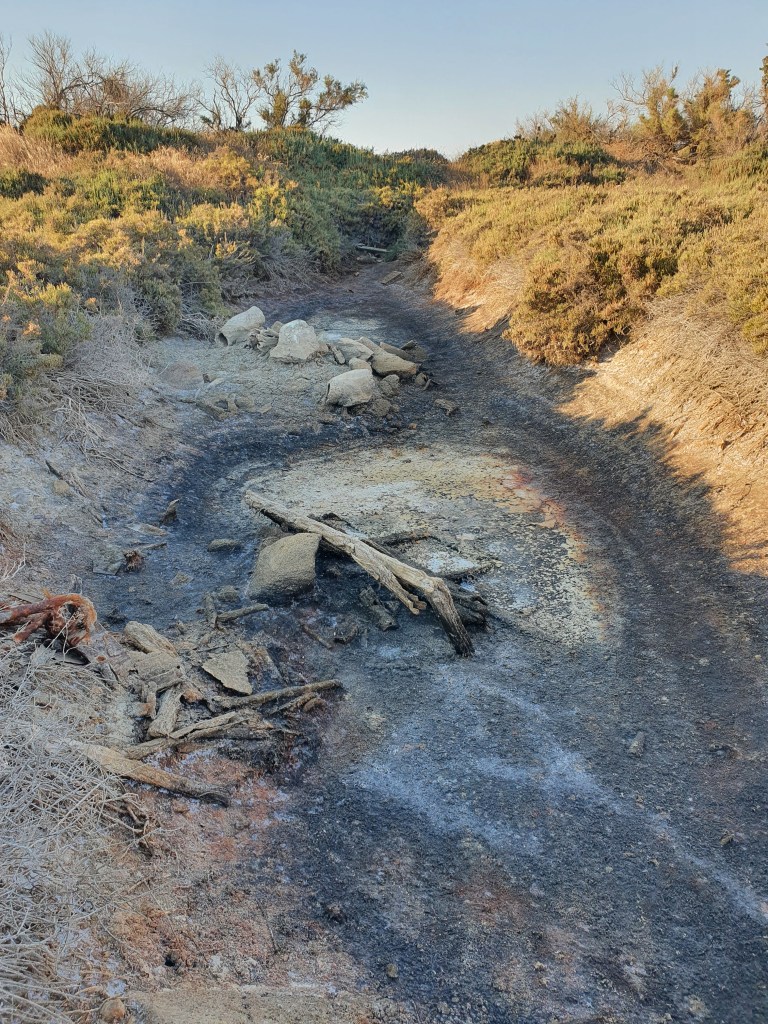
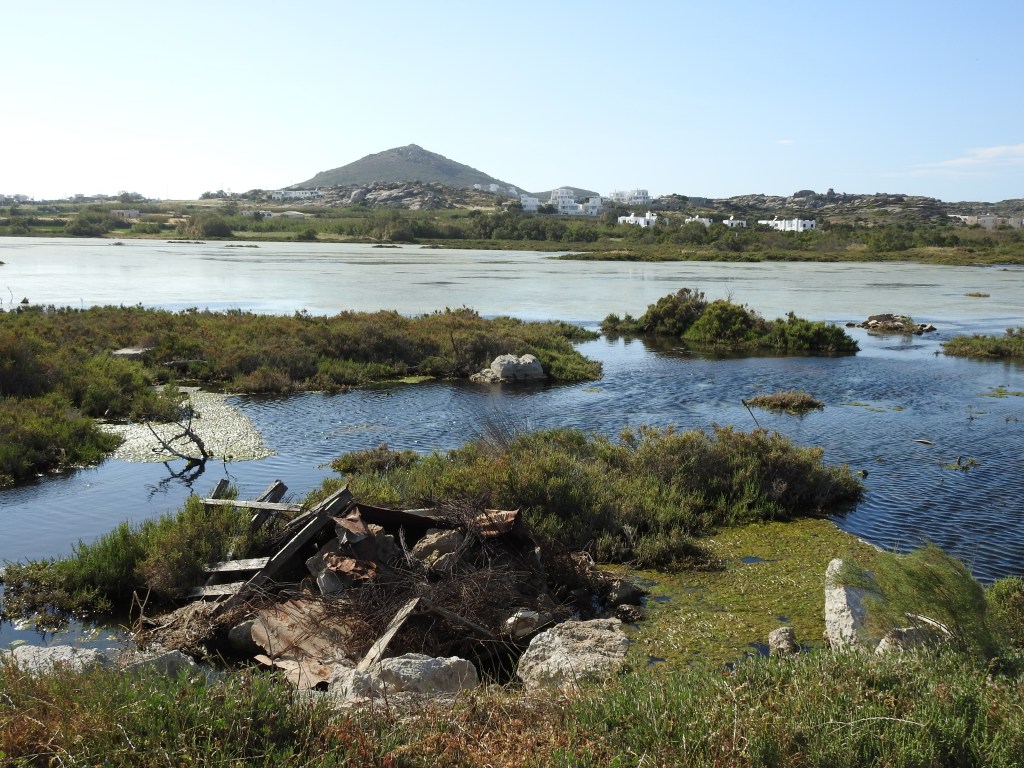
Now in 2022, a walk to the south of the Lagoon looks nothing like the images of 2015. Although there are still large sections of garbage half-buried in the mud, such as car tires and metal pipes, most of the wetland has been cleared and nature has managed to hide and embellish the ugly man-made details that remain.
The tamarisks have grown and vegetation has covered the land.
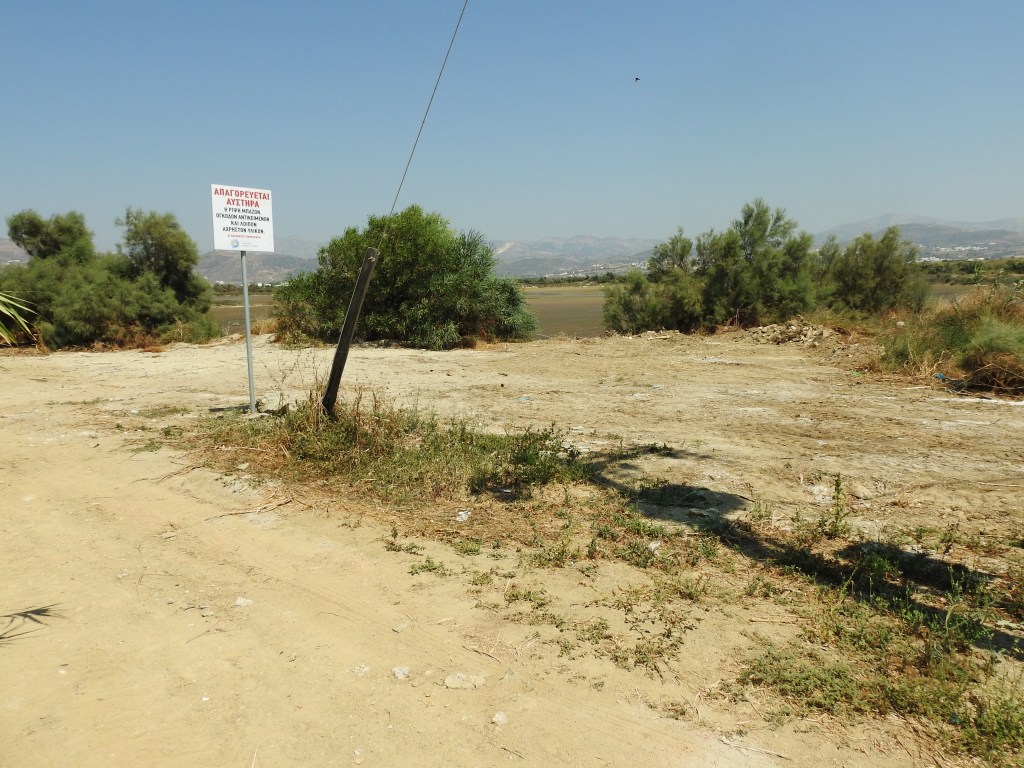
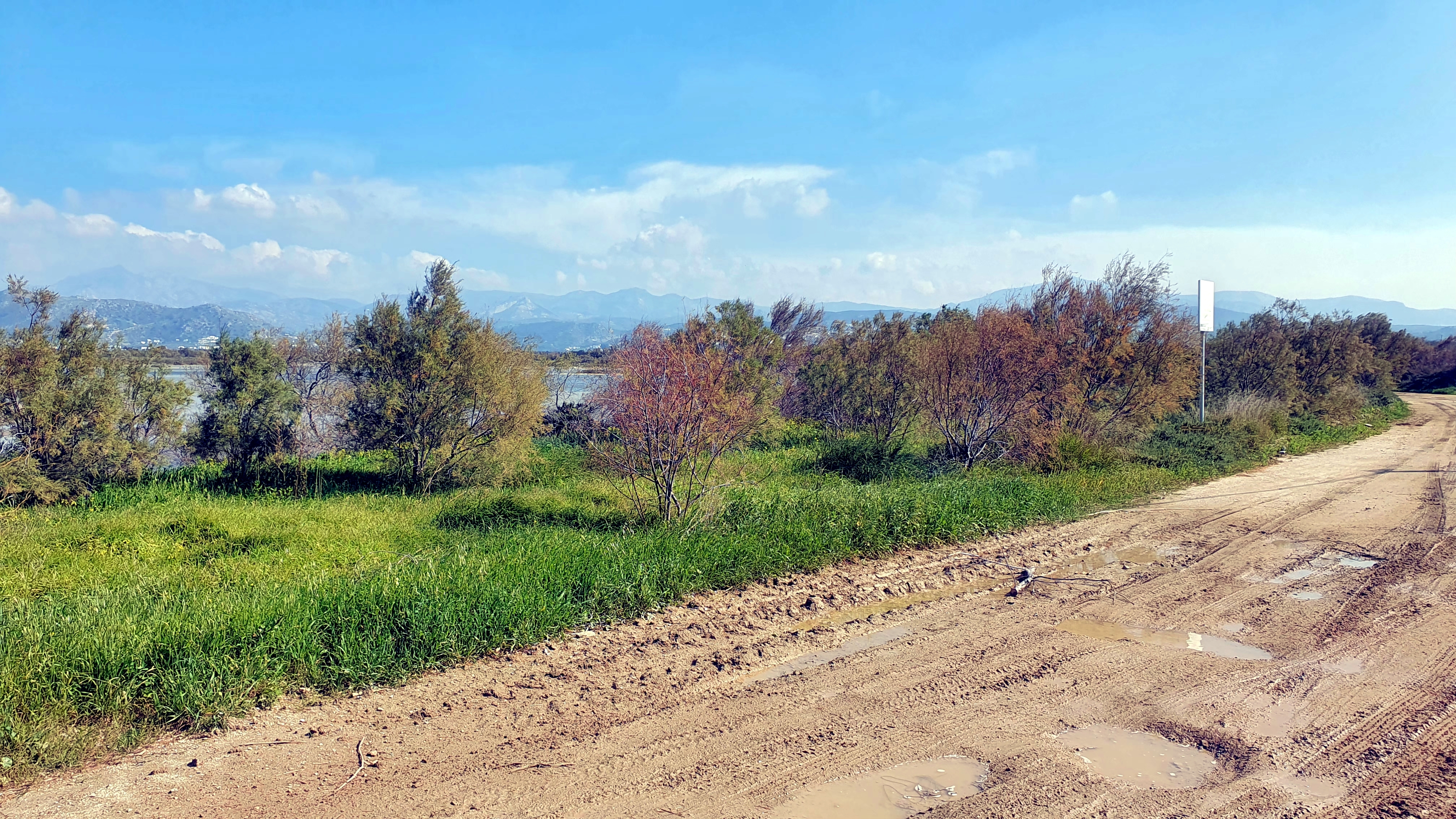
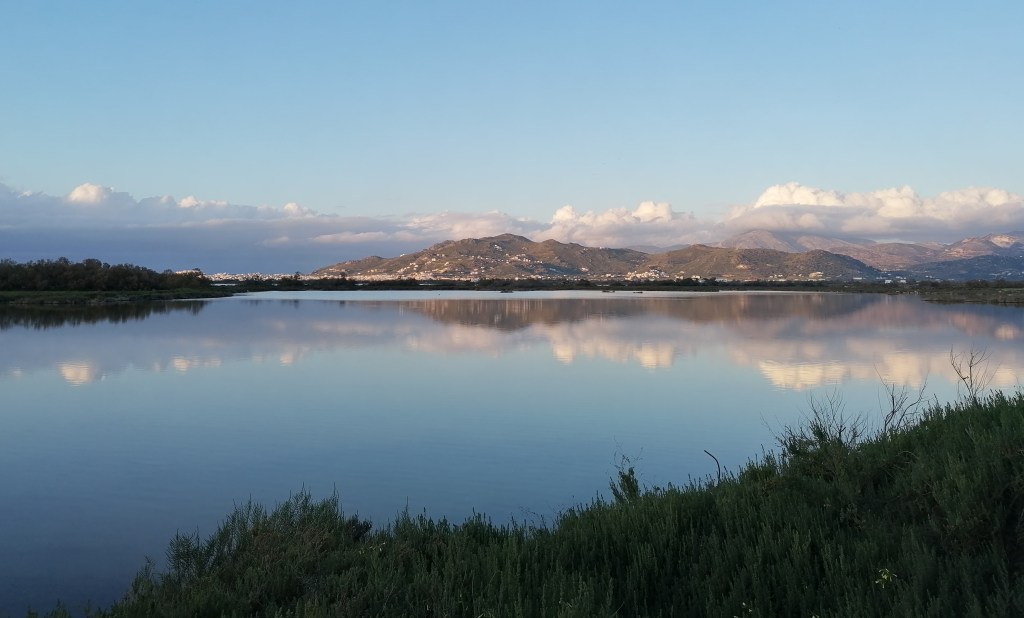
Nevertheless, while we thought that this matter had ended, in the winter of 2022, a few meters west of the old landfill, the Municipality installed within the Wildlife Refuge a parking area and dumpsters where the businessmen and residents of the area once again disposed of rubbish, old furniture, electrical appliances and much more. With the winds, much of the waste ends up in surrounding fields and in the wetland itself.
The Association reported the incident to the Environment Agency, however this unacceptable situation continues.
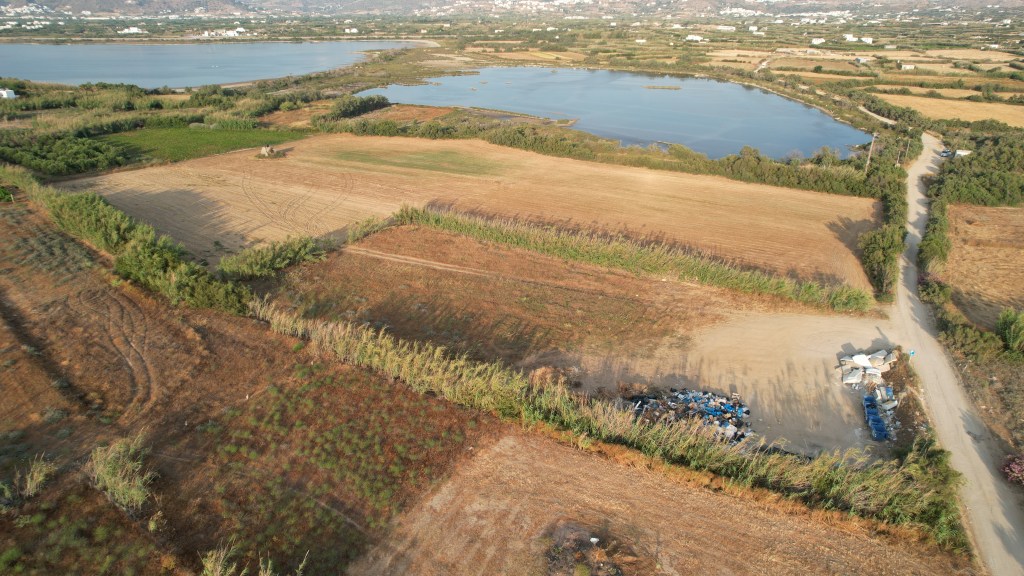
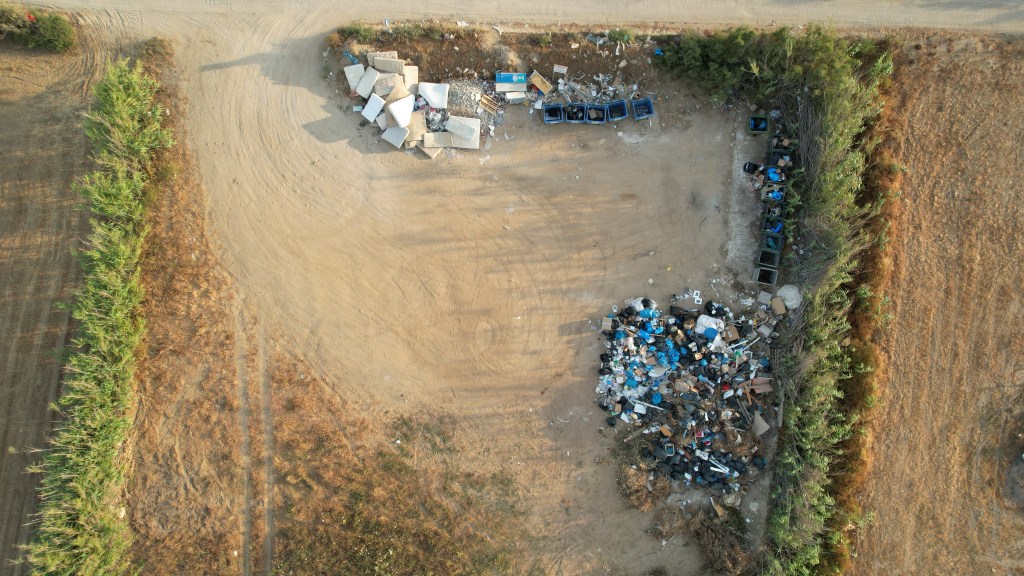
The long-term use of the Lagoon as a landfill has, unfortunately, left its mark. Inside the wetland there is still a lot of waste and the actual pollution is definitely worse than what is visible to the naked eye. During these years, the toxic components dissolve and are absorbed by the soil and living organisms, they enter the water horizon and the food chain. Portions of this waste are exposed when the wetland dries up as seen in the photos below.
Ignorance and indifference
Due to the uncontrolled exploitation of this wetland, the Lagoon has changed a lot.
The construction of dikes, the pumping of groundwater, the landfilling of areas of the wetland for crops and, later, for the construction of an airport, the opening of illegal roads within the wetland, construction, hunting, illegal recreational fishing, the use of it as a parking and camping ground, its use as a dump for any waste material, garbage pollution and sewage pollution, nuisance, encroachment on vegetation, destruction of sand dunes, trampling of nests of wild birds, etc. brought the Lagoon to where it is now.
Some of the illegal activities mentioned above continue today and if they do continue in the future, the day will come when the Lagoon as a wetland and wildlife sanctuary will no longer exist.
That depends on all of us.
We, as Naxos Wildlife Protection Association, record and observe and, when necessary, report and do our best to protect this unique ecosystem of the Cyclades.
But alone we cannot protect it forever.
As citizens of Naxos, it is our duty to appreciate, respect and protect and even upgrade the wild nature around us because it is part of us, part of our home, Naxos.
Wildlife, vegetation, water and man are all connected, it’s a circle.
Nowadays there is a basic environmental education and, thanks to the very easy access to facts and data via the internet, we should all realize that the world around us must work by rules. As we operate with rules for the well-being of all of us in our daily lives, we should also behave outside in nature, in the environment, with wildlife.
We notice that, now, more and more people realize that the protection of wildlife and the environment corresponds to a better quality of life and the sustainability of the next generation, to which our children belong.
As residents of Naxos, we are honored to live next to such a beautiful and unique wetland that attracts so many beautiful species of wild fauna and flora. Despite all the negative anthropogenic impacts over the years, the wetland of the Lagoon remains alive, a magnet and a cradle of wildlife.
Ignorance and indifference are the enemy…
For this reason, Naxos Wildlife Protection Association wrote this article collecting data that we recorded throughout our activity and will continue to record, hoping that, by sharing our knowledge and experiences, we will also inspire you, residents and visitors Naxos, to respect and appreciate the Lagoon Wildlife Refuge, but also all those places where precious wildlife still lives and finds protection.
“As we destroy the natural world, we destroy our future, not just wildlife.“
– Jane Goodall
 Naxos Wildlife Protection